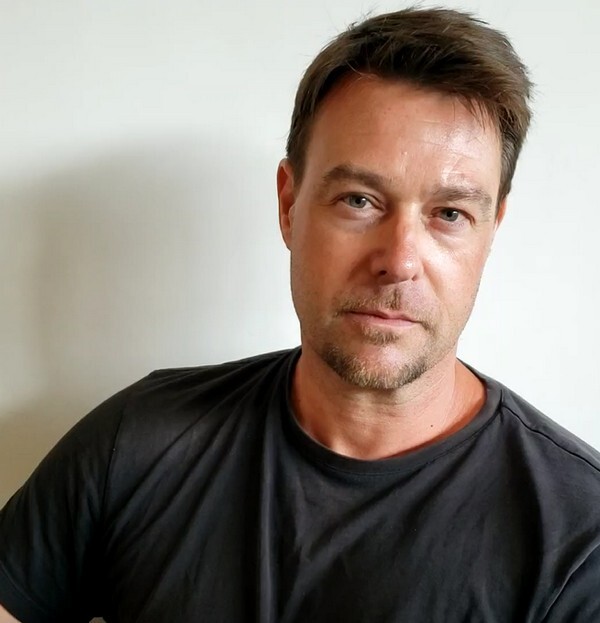
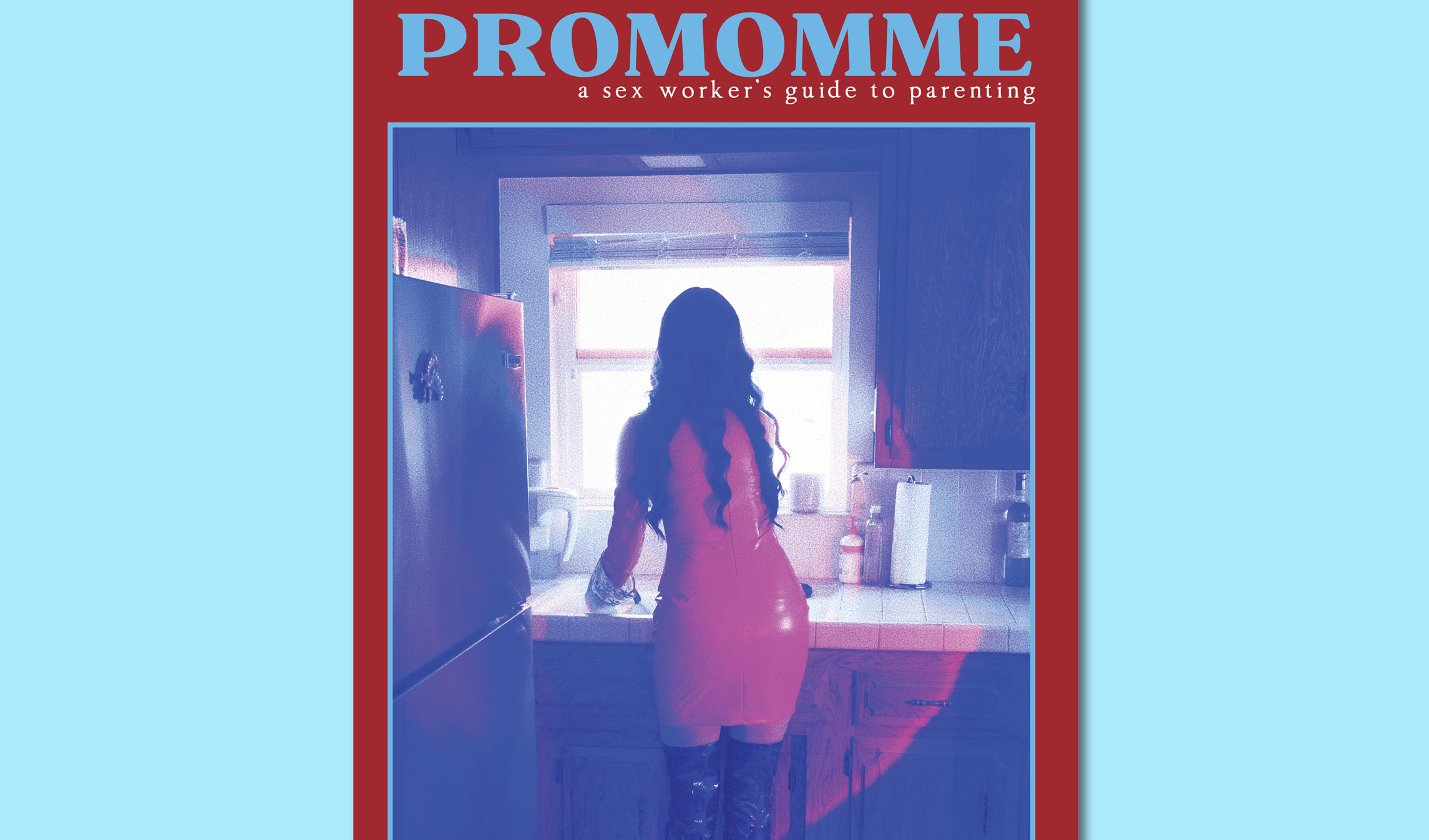
When artist and author Sage Magee spoke at a Long Beach City Council meeting on August 25, her passionate public comment gave fellow residents a much-needed laugh.
Magee was one of the many outraged constituents who packed the City Council chambers, waiting to address city leaders. Some came to express their opposition to an unpopular proposal—a threat to defund the public library department by $1.4 million. Others came to question the city’s expensive new rebranding campaign, the Long Beach Vibe City Initiative, a vague scheme that Mayor Rex Richardson spent his summer peddling.
“Long Beach is special,” Richardson told the Los Angeles Times in June. “But it’s hard to explain why if you haven’t been here . . . the best way to describe it is that it’s a vibe.”
When Magee approached the microphone, she announced that she was there to talk about budget cuts to the library. Then, she asked, “Is the vibe of Vibe City illiteracy? The city manager is proposing cutting public-facing services like it’s Detroit in ’08. This hub city is somehow chronically broke . . . I have not heard any revenue-raising ideas out of any of you in the face of these devastating public job losses.”
City leaders were not amused by Magee, but everyone else was. Residents cackled and applauded, approving of Magee’s on-point political analysis and her stylish delivery. During her sixty-second commentary, which you can watch on YouTube, Magee personified what’s special about Long Beach.
The city’s people sparkle, shine, and consistently deliver their best. Magee’s short speech gave voice to the city’s spirit in a way that the mayor can’t, and Richardson’s dependence on unpopular buzzwords is already coming back to bite him.
The pressure that Long Beach residents put on city leadership this summer got results. On September 8, the City Council adopted a budget that restored funding to the public library system and saved jobs. Still, residents continue to sound the alarm about the City Council’s attacks on democracy. Its members are now trying to silence the people that they represent by limiting public commentary on agenda items. If they succeed, city leaders will stifle free speech and dilute accountability.
City employees also report a climate of fear, worrying that if they criticize Long Beach leadership, they’ll be fired. The willingness of city leaders to attack free speech, intimidate critics, and defund the public library system is a symptom of a dangerous problem. All are signs of authoritarianism, a style of government where leaders act without the consent of the people that they’re supposed to represent.
While many Californians associate President Donald Trump with authoritarianism, some of his “progressive” opponents are reluctant to call out the leaders quietly chipping away at democracy right in their own backyards.
While many Californians associate President Donald Trump with authoritarianism, some of his “progressive” opponents are reluctant to call out the leaders quietly chipping away at democracy right in their own backyards.
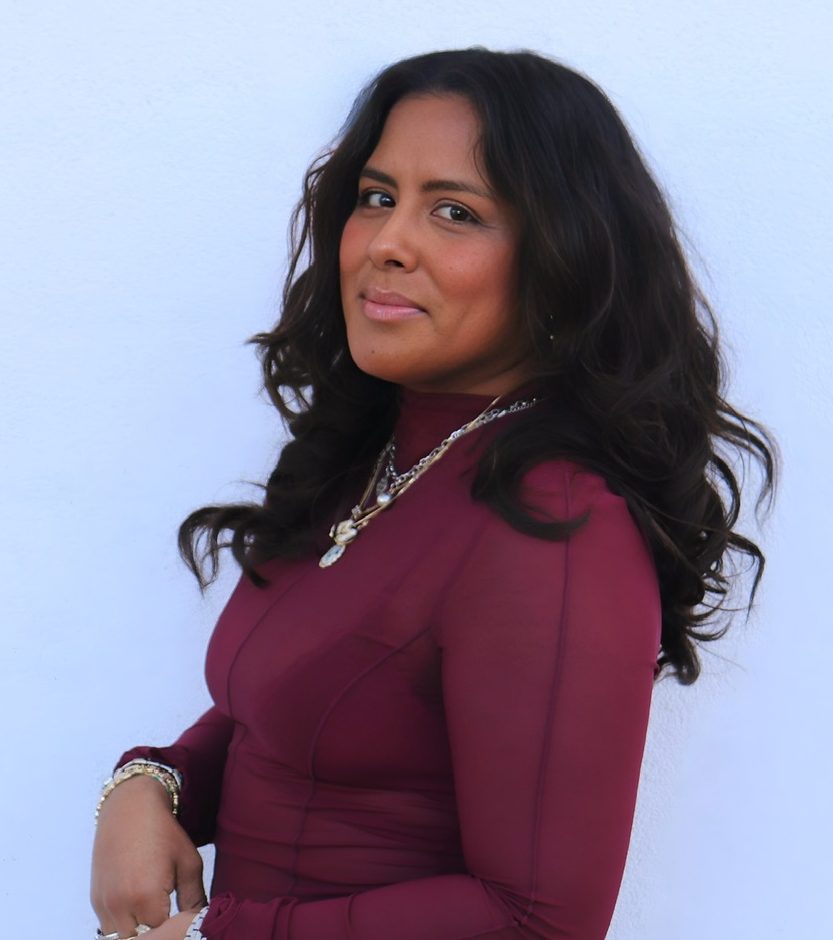
Jerlene Tatum, a self-described agitator and former Long Beach school board candidate, has been a long-time critic of her city’s leadership. Like others fed up with Richardson, she also finds the Vibe City campaign mind-boggling, exasperating, and offensive.
“Might as well be Gotham City,” she says.
Tatum’s first exposure to the campaign happened while she was walking the Promenade in downtown Long Beach. She saw a Vibe City sign and thought, “What does that even mean?”
Her next thought was, “Who paid for this?”
In August, the Long Beach Post reported on a city memo that detailed the source of the money for this campaign; the city has a $4.6 million Special Advertising and Promotions Fund, with $150,000 budgeted for Vibe City.
Tatum says that this campaign won’t improve the quality of life for most people living in Long Beach. She adds that “Vibe City” evokes rap culture, a phenomenon that fails to represent most of Long Beach. The campaign also appears to fetishize Black culture.
“There was no opportunity for community to buy into this marketing project,” says Tatum. “We don’t want it, and we’re left fighting against the people who are supposed to represent us.”
One city employee agreed to speak about the vibe in Long Beach on condition of anonymity. When asked to define it, they carefully considered their response before replying, “The vibe is survival. People here are surviving poverty.”
City leaders don’t make it easy to thrive in Long Beach, and that goes for many of the city’s own employees. Most don’t earn salaries like Tom Modica, the city manager responsible for the budget proposal that drew angry crowds to city council chambers this summer.
While Modica’s annual salary is $384,697, the most up-to-date statistics show that most city employees earn between $60,000 and $89,000, a salary bracket that disqualifies them from moderately priced housing in Long Beach.
“People in Long Beach are resilient,” says the city employee. “We make beauty out of nothing. But that doesn’t entitle city leaders to extract that beauty and market it as their own. And no one should be inviting tourists to come gawk at our struggle.”
“People in Long Beach are resilient,” says the city employee. “We make beauty out of nothing. But that doesn’t entitle city leaders to extract that beauty and market it as their own. And no one should be inviting tourists to come gawk at our struggle.”
Toward the Los Angeles River, and just a few blocks from Modica’s office, cars and RVs that people are living in line the downtown streets. In the morning, seagulls soar above unhoused people pushing rusty shopping carts to the Billie Jean King Main Library, a tall building that stands one block from the Long Beach Police Department’s main headquarters.
A cage-like fence with an estimated cost of more than $811,000 girds the library. City leaders say that the fence reduces vandalism and enhances safety, but residents who seek shelter at the library see it differently.
When asked what the city’s vibe is, an unhoused woman seated on the library’s front step answers, “Mean.”
She gestures at the fence and says, “That doesn’t make me feel good.” She explains that though she survived domestic violence, escape came at a high cost; she lost her home.
“I can’t wait to get a permanent roof over my head again,” she adds.
People who haven’t survived domestic violence often overestimate shelter availability. Beds are few, waitlists are long, and many survivors find that life in a shelter isn’t much different from life in a cage. For people with nowhere left to go, libraries are lifelines. They’re one of the few truly democratic institutions in the U.S. To use a library, you don’t have to buy anything, meet an age limit, be a U.S. citizen, or own a home. To exist in these quiet temples, all you have to do is be human.
Independent bookstores perform some of the same functions as libraries, and that puts them in the crosshairs of authoritarians. Luckily, Long Beach still has a few popular indie bookstores, including Page Against the Machine (PAM), which is owned by Chris Giaco.
Residents used PAM to begin their successful grassroots campaign to restore library funding, and when asked about the Vibe City initiative, Giaco laughs and mentions another attempt at a Long Beach rebrand.
“Vibe City and Space Beach don't really go together,” he says. “What tourist wants to come here to tour a warehouse that's manufacturing drones?”
Michael Gearin, a high school teacher who tables in front of PAM during Friday art walks, says that Space Beach is a euphemism, a slick way of talking about weapons manufacturers setting up shop in the city.
“Long Beach has always been a military-industrial complex hub,” he explains. “People associate it with Rosie the Riveter-style imagery from the 1940s, but what's happening now is just supervillain stuff.”
One company that Gearin educates residents about is Anduril Industries, saying, “They’re building a one-million-square-foot manufacturing, research, and development facility to build AI-powered automated submarines right next to the airport.”
The Space Beach euphemism echoes the name of another defense company with a hub in the port of Long Beach, SpaceX. Elon Musk, the company’s founder and CEO, has spent decades building a cult of personality, pandering to a fanbase that includes villainous nerds, incels, and Vibe City-hypeman Rex Richardson.
During the most recent of his annual “Grow Long Beach” presentations, Richardson stood beneath a spotlight and paced a stage, announcing that he was “proud” that SpaceX had chosen Long Beach as the city where the company would “continue to grow their operations.”
Taking pride in a contract with Musk, one of the loudest anti-LGBTQ bigots in the world, is quite the vibe. Long Beach is home to one of the largest LGBTQ pride festivals and parades in California, but for the first time since 1984, city leaders canceled this year’s festival, a move that would likely please someone like Musk, a father notoriously estranged from his own trans daughter.
While rainbow-painted crosswalks continue to brighten Long Beach, some residents see them as a colorful façade masking the real values of city leaders. Grey Guerrero is a Long Beach activist who sees through this façade. When she first started attending City Council meetings, she believed that she’d find at least one representative who was fighting for the city. Over time, her hopes were dashed.
“We can’t count on any of them,” she says. “The mayor is the worst. He’s arrogant and glib.”
A few weeks ago, Guerrero watched city leaders discuss a new housing unit. They decided that instead of setting aside units for low-income residents, they would offer them to residents of moderate income.
“Their example of moderate income,” says Guerrero, “was a single mom making $90,000 a year. I don’t know any single moms who make that. Who is this really for?”
The answer is probably tech bros, the very people who will kill any good vibes that the city has left.
The Long Beach Vibe City Initiative is an expensive joke that nobody asked for. Whoever is pocketing the campaign’s money won’t have to worry about a roof over their head; they’ll certainly qualify for “moderately priced housing.”