Subscribe to skip adsAdvertisement
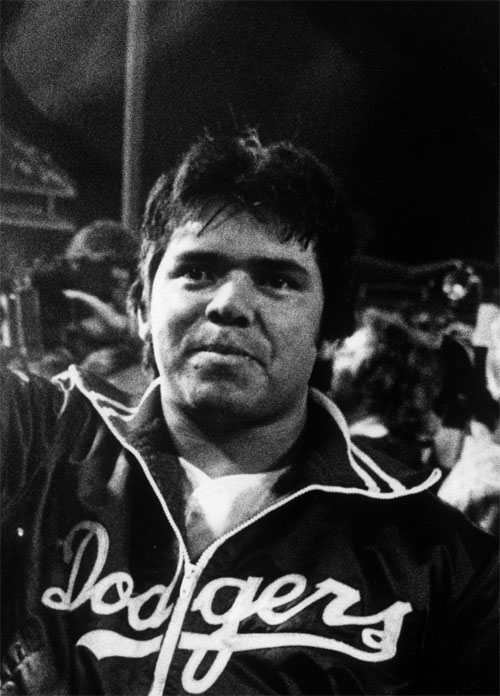
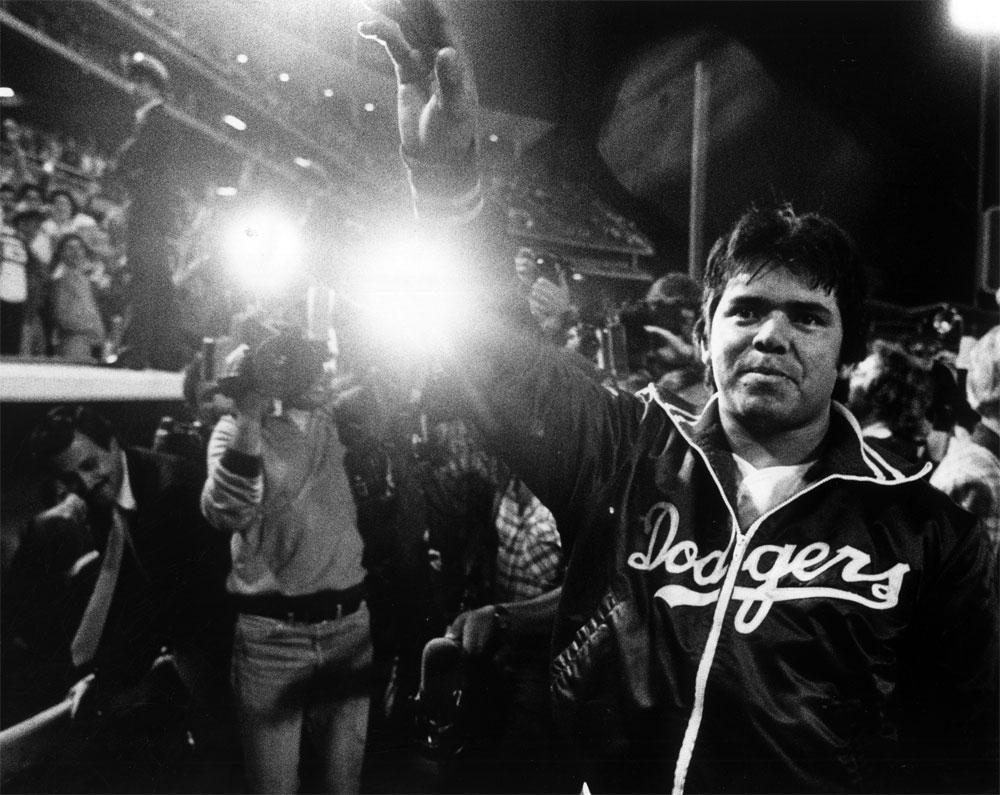
The Los Angeles Public Library has a cool new exhibit of rare and remarkable Dodger photographs from years past. More information is available on their website.
Subscribe to skip adsAdvertisement
The Los Angeles Public Library has a cool new exhibit of rare and remarkable Dodger photographs from years past. More information is available on their website.
I already miss the era of gloriously sticky menus, coated with years of grease and who knows what else, and a menu behind the counter with pixelated photos, overexposed plates, low-quality clipart, and typos galore.
Rich, fatty, earthy, savory, and slightly spicy broth. There’s always a memory tied to menudo: nights of partying and needing that hot broth to bring you back to life; your parents making it for the holidays; or years-long family traditions. These are some of our favorites.
Peanut Butter Wolf revealed rare lore about recording with MF Doom, Lee Scratch Perry, and J Dilla, beating the indie label odds for 30 years now.
We've compiled the endorsements of 13 different progressive organizations, including advocacy groups, local media outlets, progressive politicians, and unions, in one interactive page to help you decide who to vote for.
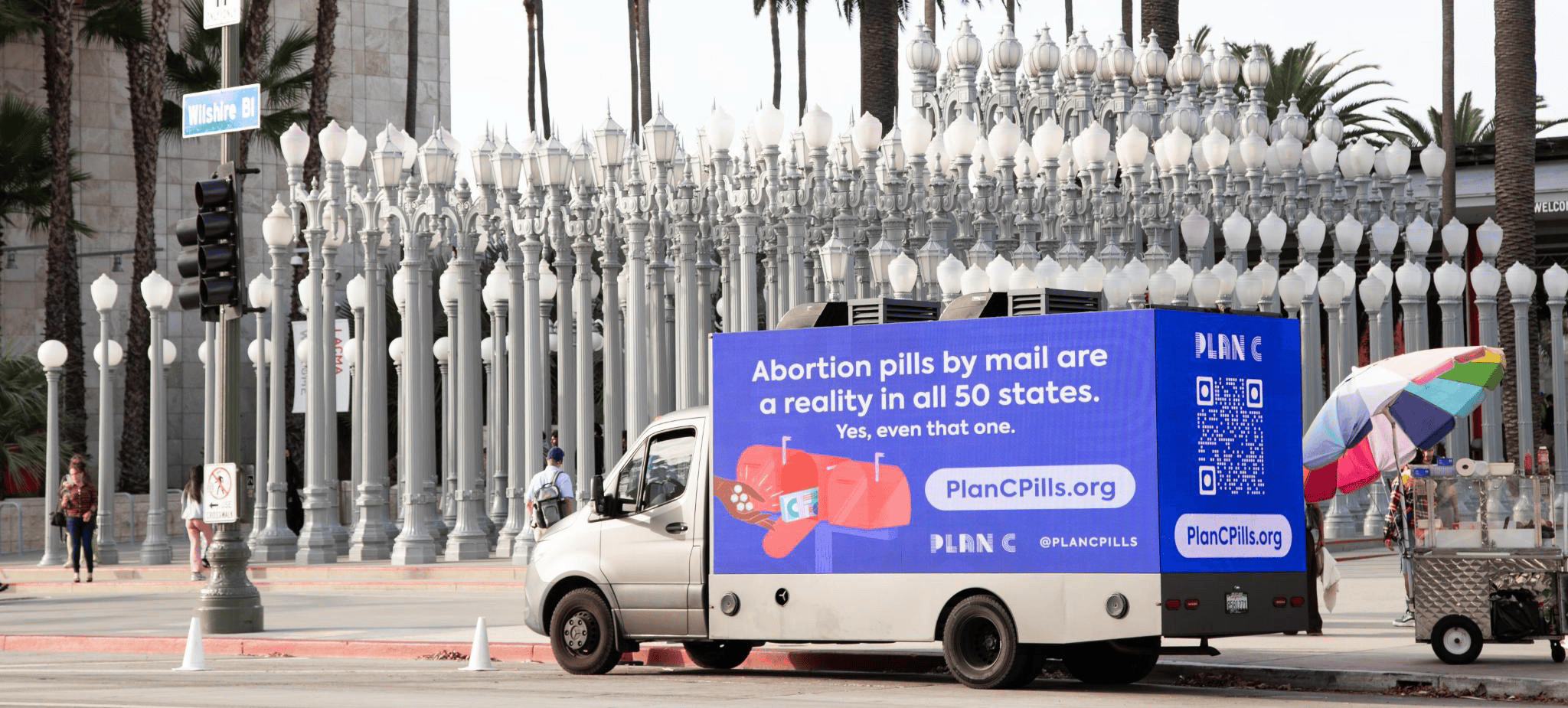
They stopped in front of LACMA and in East Hollywood over the weekend to share that you can still order Plan B pills by mail, even in the 13 states that have completely banned abortion.
What do the candidates' stances mean for Jewish and Arab voters in L.A.? We asked both. Here's what they said.