This article was supported by Viva La Book Review.
“To my south, the land was underdeveloped and vast, with lines of orange groves visible in the distance. Then I neared the grand Hotel Green,” Naomi Hirahara writes in her latest noir, Crown City. One of Los Angeles crime fiction’s great strengths is how effectively it draws on the region’s physical terrain, tapping into how it shapes social and class relationships. Two recent novels do this mapping exceptionally well: Hirahara’s yarn and Kirk Fox’s Palmdale. Though set roughly 120 years apart, both stories expose the corruption and latent menace just beneath the surface of the City of Angels.
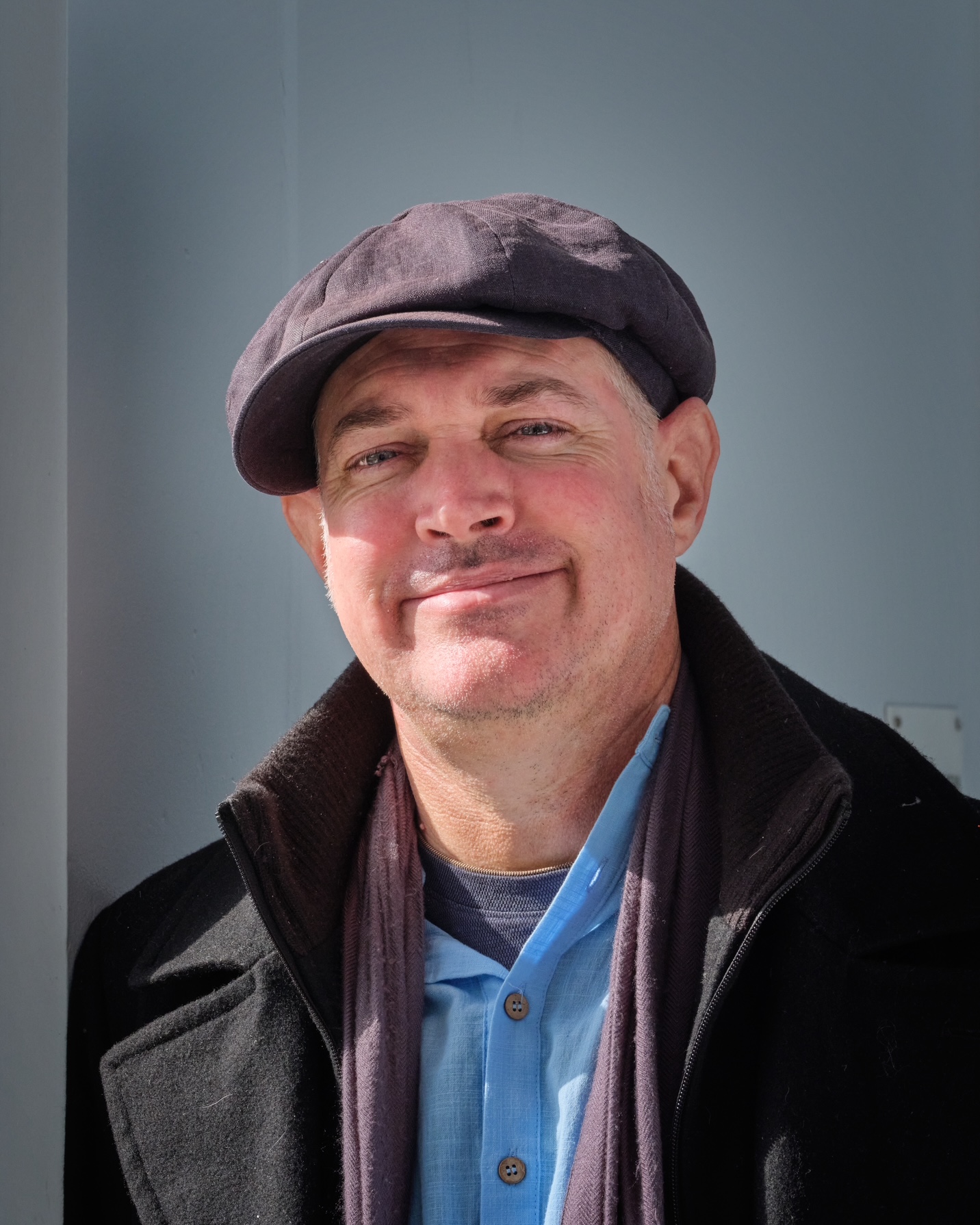
Before becoming one of Los Angeles’s leading noir writers, Hirahara worked as a historian and as an editor for The Rafu Shimpo, the Japanese American bilingual daily newspaper based in Little Tokyo. Her fiction is filled with revelatory details from the past, often dealing with aftermath of the wartime incarceration of Japanese Americans. A persistent theme: the struggle of former detainees to rebuild their lives after imprisonment at Manzanar, Gila River, and other concentration camps from 1942 to 1945.
Crown City also makes skillful use of history, but it reaches back to Pasadena in 1903, four decades before World War II. Letters at the beginning and end of the novel, addressed from Gila River in 1943 and 1945, suggest that this narrative serves as a prequel to the first two installments in Hirahara’s Japantown Mystery series, Clark and Division and Evergreen.
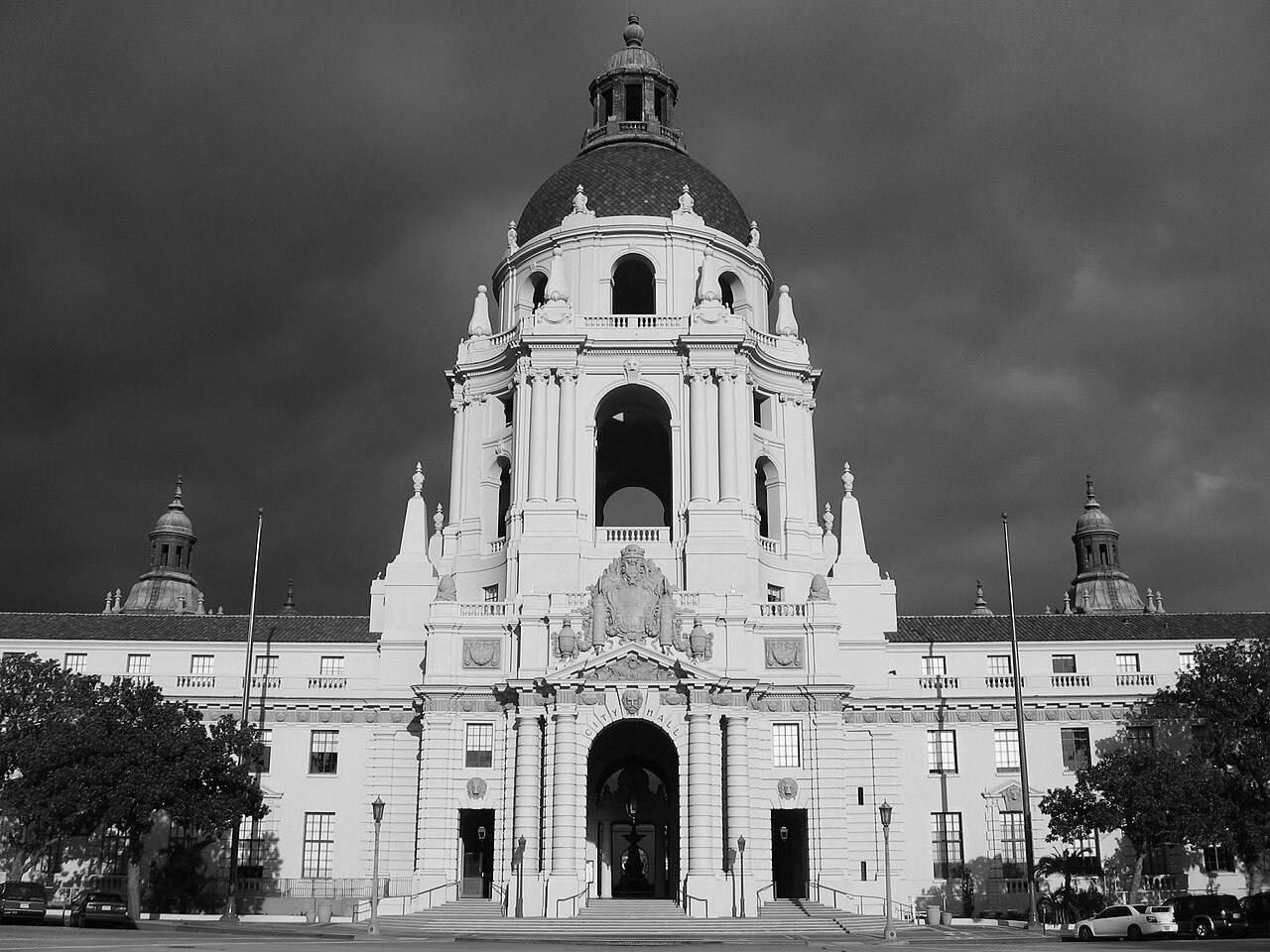
“Crown City,” for those unfamiliar with the term, is a nickname for Pasadena. According to the city’s website, Pasadena derives from an Ojibwa word, translated as “valley,” though the word has also been interpreted as “Crown of the Valley.” Around the turn of the 20th century, local usage shortened that phrase to “Crown City.” Hirahara, who grew up in the city and lives there today, vividly evokes a moment when Japanese art was gaining popularity among the city’s wealthy collectors even at a time when anti-Japanese sentiment and violence was unsettling the community.
The cultural conflict is central to the novel. Pasadena’s residents along Millionaire’s Row on Orange Grove Avenue eagerly acquire Japanese-inspired art and furnishings while, elsewhere in the city, Japanese immigrants and Japanese Americans face discrimination and danger. Hirahara stares, with dramatic power, at this social fault line without sacrificing the pleasures of a steadily unfolding mystery.
She also incorporates real historical figures, including the architect Charles Greene, who, with his brother Henry, helped to define, through such Pasadena landmarks as the Gamble House, the international reputation of the Craftsman style. Readers familiar with Pasadena will also recognize such sites as the Castle Green Hotel, the Colorado Street Bridge, Colorado Boulevard, and the Arroyo Seco.
The novel’s protagonist, Ryui Wada, is an 18-year-old Japanese orphan and artisan who arrives in California from Yokohama after the death of his parents. He comes to Pasadena to apprentice with an art dealer. He struggles to find his footing in a city dominated by old money and exclusionary social codes.
The plot builds after a painting by a celebrated Japanese artist disappears from a Pasadena society event, where Ryui is working. Soon after that. he is the victim of a xenophobic assault. Days later, another young Japanese man is found dead near the Arroyo Seco. Ryui turns detective and, with help from his eccentric Japanese roommate, attempts to recover the painting and uncover the truth behind the killing.
The irony of Crown City is sharp: Pasadena’s elite coveted Japanese aesthetics but cared little for threatened Japanese residents. Hirahara dissects those tensions in a layered narrative that sustains its mystery until the very end. Her Pasadena is both glamorous and menacing, a city in which beauty, wealth, racism, and violence are tightly entwined. Bottom line: Hirahara is among the country’s finest practitioners of historical crime fiction, and Crown City demonstrates why.
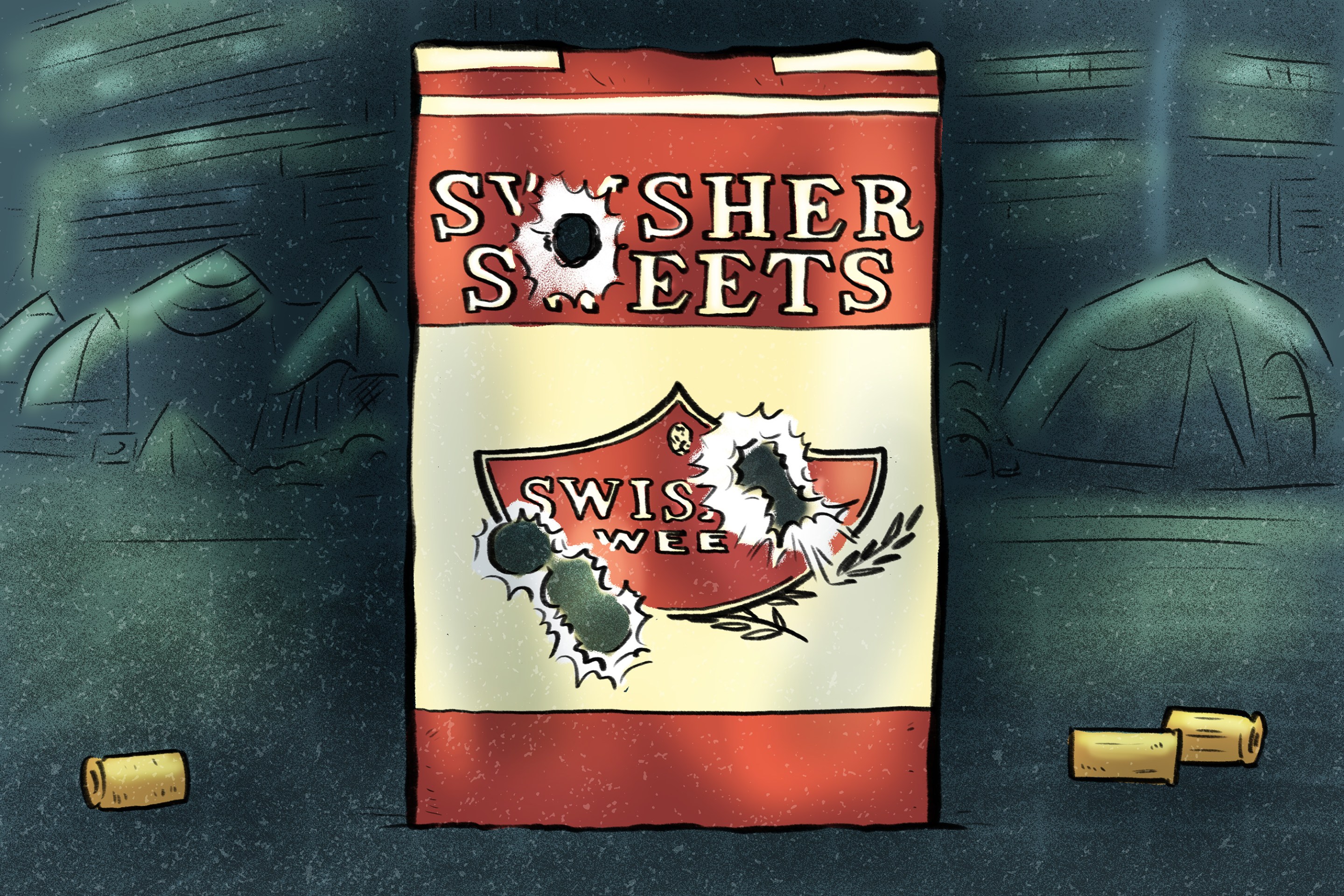
Kirk Fox’s Palmdale, set in the present day, offers a very different but equally incisive portrait of Southern California. The author’s story moves from the high desert around Palmdale to the wealthy hills of Bel Air and the flatlands of the San Fernando Valley. He brings the same geographical/social alertness to his chosen territory as Hirahara brings to Pasadena. The author calls the novel “a dirtbag noir,” and a deep strain of satire runs through it. Its opening page establishes the tone: “The sun had recently set into the sea out past Manhattan Beach somewhere. Beverly Hills, Brentwood, Bel Air, and the rest of the Bugatti Beltway opened wine and impatiently awaited DoorDash.”
Fox has a sharp eye for contemporary Los Angeles’s upwardly mobile -- its influencers, privileged movers and shakers, terminally self-absorbed. Many chapter titles take their names from local neighborhoods and cities—Van Nuys, Northridge, Bel Air, Beverly Hills, Burbank, Glendale, Venice, and Lancaster—which gives the novel the feel of a disreputable regional atlas.
The plot turns on a botched kidnapping that leads to an accidental death, a missing brother, a family’s search for its son, and an increasingly untenable cover-up. A seasoned private investigator and his daughter, also a PI, take the case on, encountering corpses, false leads, and fresh complications as they travel through the city’s disparate social worlds.
The novel’s displays of local knowledge, filled with stinging social commentary, are often hilarious. At one point, the FBI even looks into the case when the character Agent Ross begins investigating the kidnapping. Agent Ross’s commentary after finding the sons’ social-media accounts captures the extremes of our cultural moment in 2026: “Both were influencer-types, showing off their wealth in nauseating pictures where they posed in private jets, luxury vehicles, exclusive clubs, and on the decks of yachts.”
One of the book’s most hilarious comic turns is that the kidnappers intend to take their victim to Palm Springs but mistakenly deliver him to Palmdale. That elemental geographical error gives the novel its title and it encapsulates Fox’s sense of absurd humor. His broadly satiric plot is less intricate than Hirahara’s, but Palmdale offers more than enough suspense, surprises, and comic bite to make it a lively read.
Separated by more than a century, the storylines in Crown City and Palmdale offer potent, sharply observed portraits of Southern California. Hirahara excavates the racial and class tensions beneath the cultivated surface of high society at the turn-of-the-century; Fox skewers the vanity, wealth, and dysfunction of contemporary LA. When it comes to urban noir, understand that the more things change, the more they stay the same.