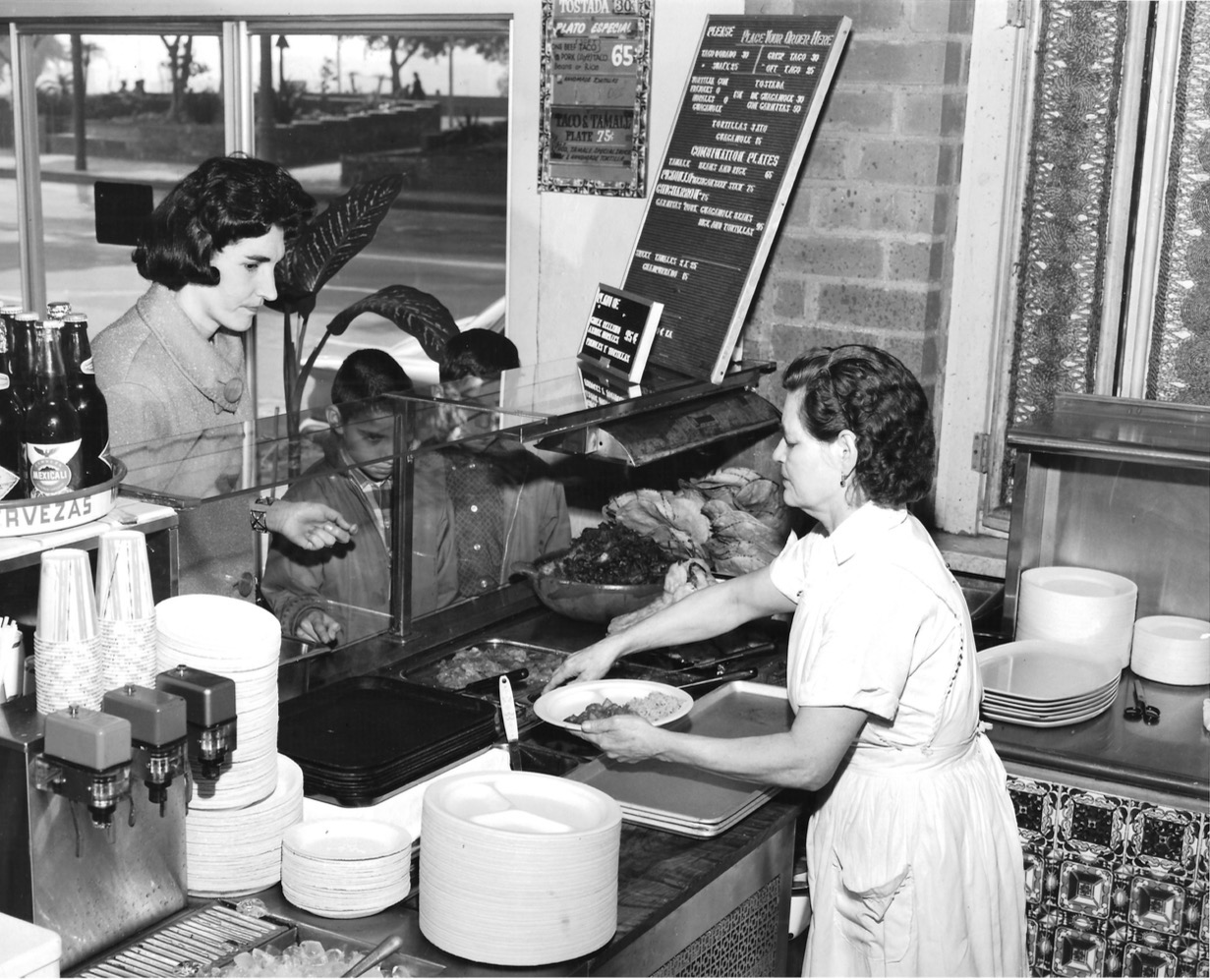
La Luz del Día, one of several multi-generational businesses on Olvera Street, has been serving Michoacan-inspired tacos and other traditional Mexican dishes since 1959. However, due to a steep decline in customers, the restaurant fears how much longer it can hold on.
For generations of Angelenos, this stretch of Downtown has been sold as the “birthplace of Los Angeles,” a place where the city’s Mexican roots are packaged into papel picado, taquitos, and childhood nostalgia for sale.
But for the families who have kept Olvera Street alive for decades, this place has never been a tourist attraction.
And lately, they say, it feels more forgotten than celebrated.
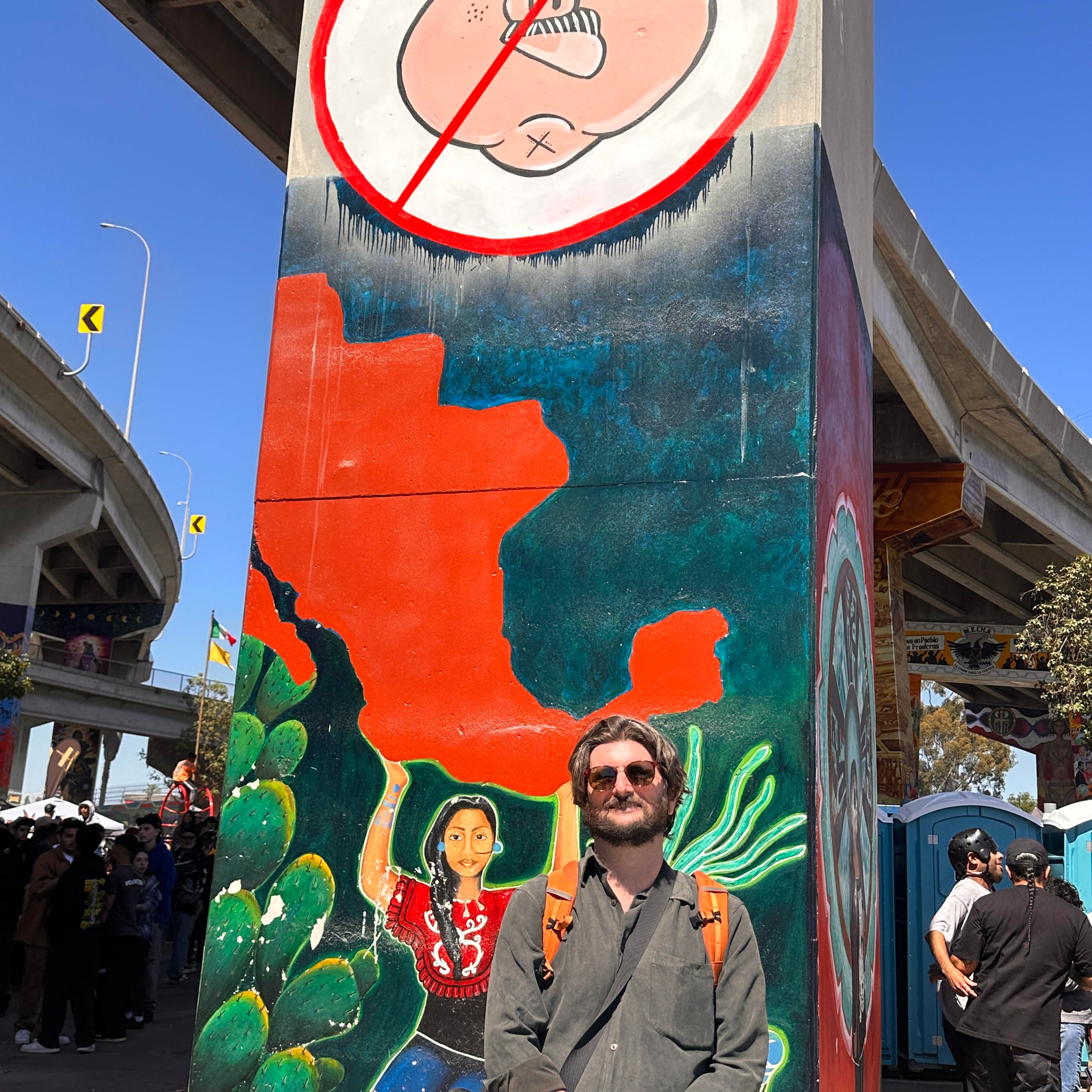
“Ever since COVID, things drastically changed. Foot traffic diminished, tourism diminished, and ever since then, it hasn't gotten back to that million, two million visitors a year,” says Gregory Berber, the third-generation owner of La Luz del Día.
In recent weeks, a Reddit post by Berber about the restaurant’s struggles went viral, drawing hundreds of thousands of views and sending a wave of customers back to Olvera Street.
The post struck a nerve with Angelenos who, by the looks of the comment section, didn’t realize how fragile some of these long-running businesses had become.
“What I got from it is that people forgot about Olvera Street,” he tells L.A. TACO. “When your life changes after COVID, you’re working from home, you’re not coming Downtown anymore, you forget the routines you used to have.”
La Luz del Día’s story stretches back to 1941, when Berber's grandfather bought a grocery store across the street from the current restaurant.
Years later, Christine Sterling, the founder of Olvera Street, encouraged the grocery store owner to open a restaurant on the Olvera Street side with his cousin, Pancho Cazares.
Since then, the restaurant has held tightly to its regional food roots, preserving recipes from the Mexican state of Michoacán. Everything, from tamales to carnitas to the nopal salad to the tortillas, is made the old-fashioned way.
The star of the restaurant is the white corn nixtamal, which is cooked and ground in-house, transformed into masa for handmade tortillas.
“The greatest compliment I've ever received is that a 70-year-old man came in. He brought his children here, he brought his grandchildren here, and he still says that the food tastes the same,” Berber says. “Quality hasn't suffered, and people can still get the same meal they had here when they were a child.”
Before the pandemic, the restaurant was open seven days a week, from 10:30 a.m. to 7 p.m. Now, it operates five days a week and closes earlier, a change Berber says reflects the reality that there isn't enough steady foot traffic to support a full second shift.
“We just can’t hire another shift right now,” he says. “Because we don’t have the foot traffic to be able to provide for a second shift to run the restaurant.”
That slowdown has been hard on a place built around the people who’ve kept it going for decades.
David Solorzano has been one of them for most of his life.
Now 68, Solorzano says he started working at La Luz del Día when he was just 12 years old. His mother worked there and brought him to the restaurant to keep him out of trouble in the streets.
More than five decades later, he’s still there.
“This is my family. I grew up being a kid here and turned into a man,” Solorzano says.
Over the decades, he learned every aspect of the business, becoming a central figure in the restaurant’s operations.
Solorzano says his favorite part of working at La Luz del Día has always been the people and the ambiance, seeing generations of families return to the restaurant, and building relationships with customers who now bring their own children.
“The love that we put into our food. We try to give the best of us in every taco,” he says.
For Solorzano, the beef and picadillo are delicious, but his personal favorite is the carnitas with a warm tortilla.
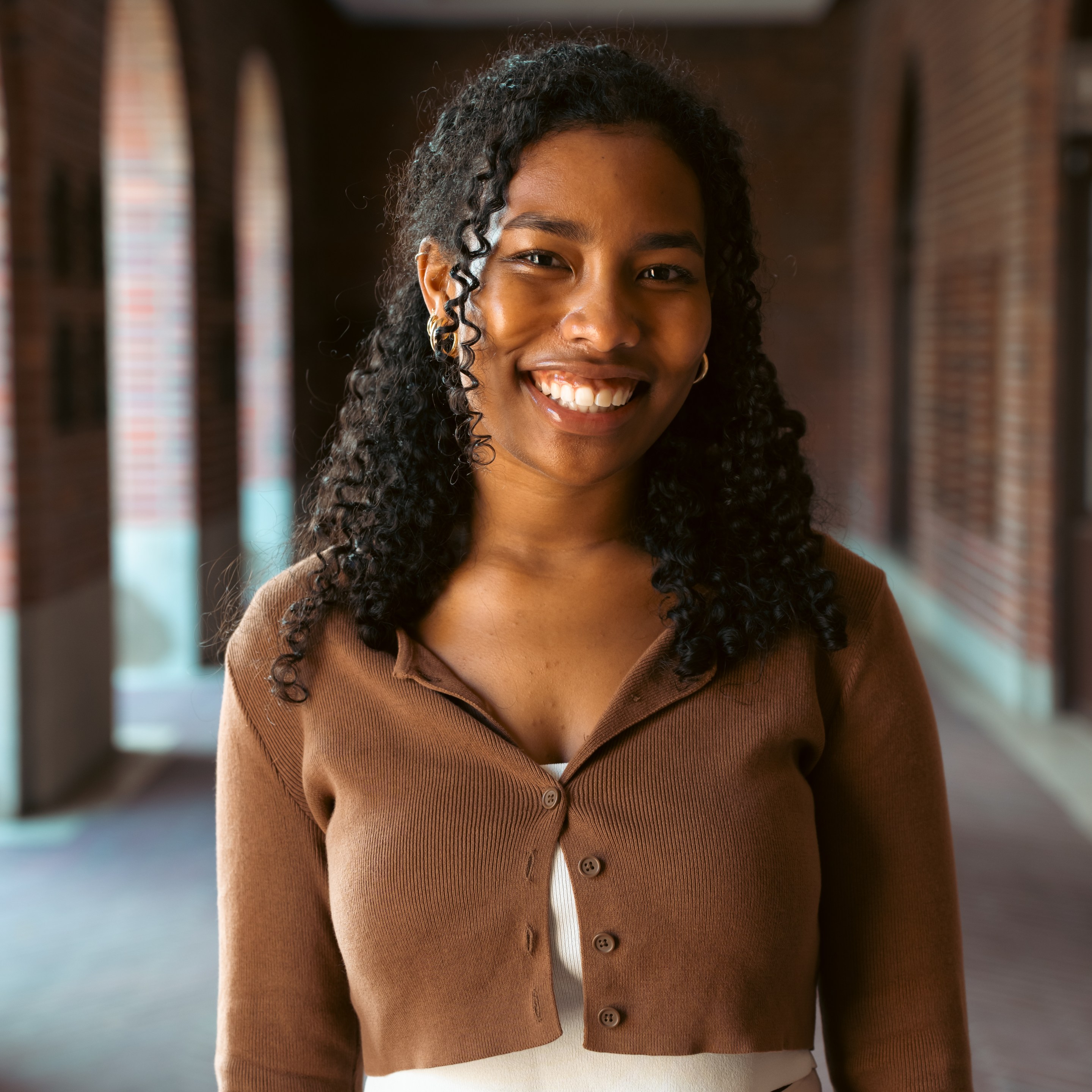
Victoria Campos, assistant manager, has also spent decades at La Luz del Día. She began working at the restaurant in the 1980s, took a five-year break, and then returned, remaining ever since.
Her responsibilities are wide-ranging: cooking, cleaning, serving, and assisting in management.
For Campos, the restaurant has become a second home.
“Creo que he vivido más en La Luz del Día que en mi casa. Y para mí es muy importante La Luz del Día,” she says. (Translation: “I believe I’ve lived in La Luz del Día more than in my house. And for me it’s very important.”)
She describes how the pandemic, combined with ICE raids and broader economic challenges, has slowed business.
“De la pandemia para acá ha sido bastante lento, muy lento. Fue desde COVID, enseguida fue ICE y la economía; todo es un poco de todo,” she explains. (Translation: "From the pandemic to now, it’s been so, so slow. Then it was the ICE raids, and now it’s the economy. It’s all been adding up.”)
“Quiero recomendarles que vengan a comer, que vengan a comer a la Placita Olvera, que nos ayuden. Porque pues realmente este Placita Olvera ... está muy muy bajo,” she says. (Translation: "I’m inviting you all to come back to Olvera Street and to help us because our foot traffic is so low now.")
Berber notes that the decline in visitors isn’t solely due to the pandemic or the economy. With protests regularly occurring near the Los Angeles Metropolitan Detention Center building, close to Olvera Street, some longtime customers have been hesitant to visit Downtown.
“Even though there are a lot of people who come to protest, they don't come and support the businesses here on Olvera Street. They stick around the federal building, City Hall, and then we usually don't see any effect from that, besides people not wanting to come to Downtown,” he says.
For Berber, keeping La Luz del Día open isn’t just about serving food, but also about preserving a piece of Los Angeles history.
He emphasizes that Olvera Street isn’t just a theme park, but a cultural identity, the place where the city’s Mexican and immigrant communities first took root.
“It's the birthplace of Los Angeles. This is where L.A. started. It's a multicultural melting pot. From here, it branched out and made L.A. what it is today,” he says.
La Luz del Día continues to serve its signature tortillas, tamales, and carnitas, each dish carrying generations of tradition and the spirit of Olvera Street.
Berber, Solorzano, and Campos all hope that the community remembers the people behind the food, the families who have dedicated their lives to this street, and the history that keeps Olvera Street alive.
La Luz Del Día ~ W-1 Olvera St. Los Angeles, CA 90012
Closest Metro line and stop: Metro Local 92 bus - "Temple/Spring"