


In the shadow of intensified ICE raids sweeping through Los Angeles' immigrant neighborhoods, L.A.’s Zapoteco leaders are pouring defiance into every glass of rare agave distillate.
This week, as federal agents test their grip on a city that is the heart of California, L.A. has improbably claimed the crown for the world's premier agave celebration—a whirlwind of tastings, cultural dances, and toasts that transforms terror into joy.
It's a bold, almost surreal riposte: While raids fracture lives and traumatize, events like “Mezcal Por Siempre,” founded by Zapoteco Ivan Vasquez, and “Noches de Mezcal,” founded by Zapoteca Odilia Romero, weave them back together, centering Indigenous producers from Oaxaca's remote villages rather than American-owned corporate brands.

No mass-market mezcales here; instead, small-batch agave masterpieces from maestros who've guarded ancestral recipes across generations, sipped alongside tlayudas and live danzón to remind everyone that resistance sometimes tastes like nuanced earth and wild honey.
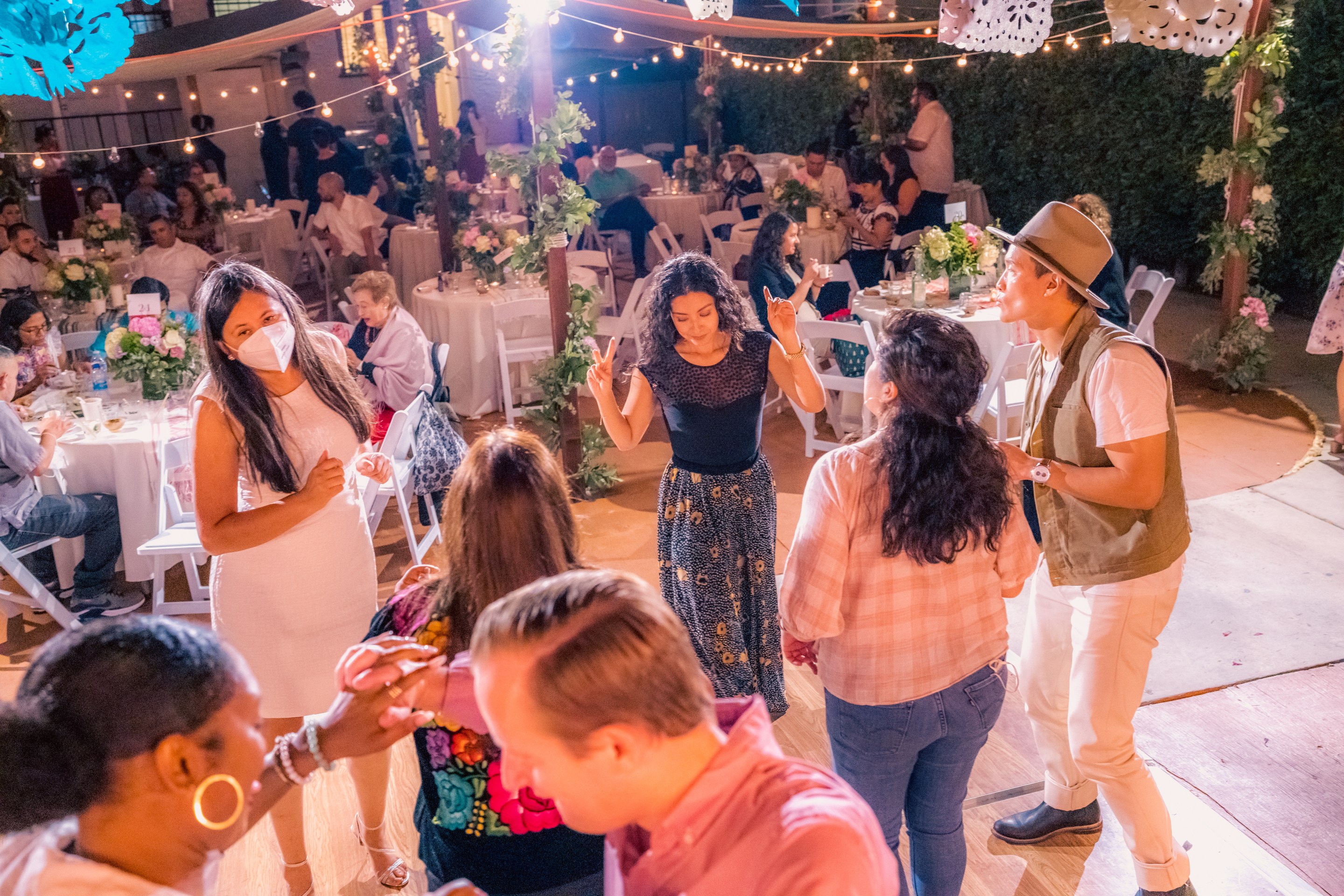
Last Saturday, September 13, Mezcal Por Siempre lit up Rolling Greens DTLA, drawing over 50 traditional producers from Mexico's agave heartlands for a day of unlimited tastings, expert charlas (talks), and an afterparty pulsing with Oaxacan rhythms.

“The festival also doubled as a ‘Mini-Guelaguetza,’" Vasquez told L.A. TACO, a defiant echo of Oaxaca's canceled flagship cultural extravaganza, the Guelaguetza, which fell victim to this year's unrest and logistical fallout from escalating deportations.
(The original, a riot of regional dances honoring 16 Indigenous groups, was scrapped amid safety fears under this ICE siege, leaving a void that L.A.'s exiles filled with their own procession: cultural dancers in embroidered huipiles leading a serpentine march through the venue, drums summoning the spirits of the Mixteca and Sierra Norte.)

"When I see a maestro sealing the ground and cooking agave underground for 9 to 10 hours in clay pots, just like 300 years ago, that's a message of resistance," Vasquez tells L.A. TACO. "That ritual is telling you to keep resisting in your culture, to keep learning about your culture. I don't pour any mezcal just because it is a new brand. The community must recognize the maestro as a true maestro mescalero."
Vasquez's vision isn't just preservation; it's provocation, as he’s demonstrated in the past.
"L.A. is so strong that the administration sends the military here to test themselves, but we are resisting, with two great events, and guess what? The founders are Indigenous. I'm Indigenous. What is it telling you? The natives are here fighting," he says.

In a city where Oaxaca's population rivals that of Oaxaca itself, Mezcal Por Siempre wasn't just a place where people got drunk. It was a resounding commitment to community.
"The best way to respond is with community," Vasquez insisted. "We're sending a message, not only to the administration but also to the corporate-owned who are exploiting our labor, our land, and our people—we're here, we're not going away.”

Tomorrow night, September 20, CIELO—Comunidades Indígenas en Liderazgo—the grassroots powerhouse co-founded by Zapotec activist Odilia Romero —is hosting its annual fundraiser, Noches de Mezcal, in Historic South Central.
It is sold out, but if you were smart enough to buy a ticket. Expect more paired pours of donated artisan mezcales, curated by Vasquez as well, with a brand new sneak peek of the menu from Lugya'h by Poncho's Tlayudas and an assist by chef Carlos Garcia de la Cabada and chapulines, a silent auction of huipil textiles, and live storytelling from Triqui weavers who've dodged deportation to build lives here.

Romero, a Zoogocho-born interpreter who currently assembles weekly boxes full of unprocessed, culturally meaningful food for Oaxacan families around L.A. as a lifeline, frames these nights as lifelines for the unseen.
"There’s always this constant fear people have that immigration is just on the block or they’re coming," she tells L.A. TACO.
For Romero, whose work maps Indigenous linguistic diversity across L.A.'s sprawl—from Zapoteco dialects to K'iche'—these gatherings reclaim joy from the jaws of erasure, honoring the hundreds of thousands of Indigenous youth navigating schools that once dismissed them as relics.

"Defending our land, standing up with Indigenous people in solidarity, especially in these times of extractivism, where they’re taking our land, our mezcal, our water, our clothes, our food," she urges, echoing a broader call to protect not just people, but the very threads of cultures that ICE seeks to unravel.
Navigating raids on their marginalized communities by day, and serving rare agaves by night. This is the reality for these Zapoteco community leaders, like Vasquez and Romero, who aren't just hosting events; they are resisting with agave rituals.
"Mezcal is there since the day you're born and to the day you die, we want people to honor mezcal, like Indigenous people do. That way we'll have Mezcal 500 years from now," says Romero.
Pour one out for OaxaCalifornia: defiant, joyful, delicious, unbreakable.


