There’s plenty of confusion and fear behind the World Cup here in Los Angeles thanks to a number of unknowns. Here at L.A. TACO, we’ve received numerous letters and messages about ICE enforcement during the tournament. Below is what we know and a few resources to help you stay calm and safe.
Current DHS Secretary Markwayne Mullin has said that ICE will be part of security operations in the U.S. during the World Cup. Naturally, many were concerned about what this meant, especially in light of ICE’s tactics since last summer, and despite the secretary’s explanation that ICE’s main responsibility would be in preventing the sale of counterfeit goods, and not in making immigration-related arrests.
“So what do you find at a tremendous amount of sporting events? Counterfeit products, counterfeit tickets. You have counterfeit clothing being sold on the streets,” Mullin said, in an interview with CBS News.
This is, in fact, routine for DHS to do. For example, in 2024, Alejandro Mayorkas, then-DHS Secretary during the Joe Biden administration, worked with the NFL, state enforcement agencies in Nevada, and local law enforcement agencies in Las Vegas to prepare for Super Bowl LVIII. The preparations included educating rideshare drivers on how to spot potential victims of human trafficking.
ICE also has a webpage on its site explaining Homeland Security Investigation’s (HSI) role fighting “intellectual property theft and commercial fraud.”
So should fans and residents be worried? ICE is still on the streets, and their tactics have shifted multiple times.
Here’s what we know:
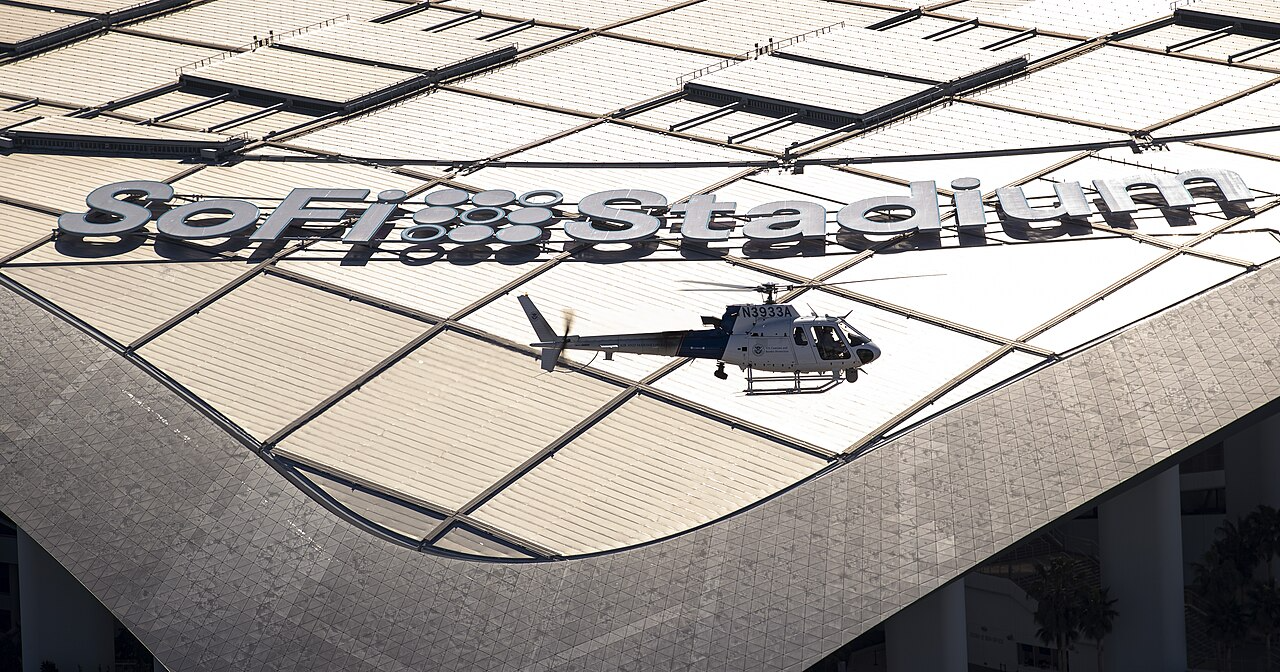
As of this writing, we have not seen, heard, nor received any credible reports of ICE at SoFi Stadium or in Inglewood before, during, or after the opening game between the USA and Paraguay. Security was high, however, because Mullin attended the opening game with Secretary of State Marco Rubio and Secretary of Transportation Sean Duffy.
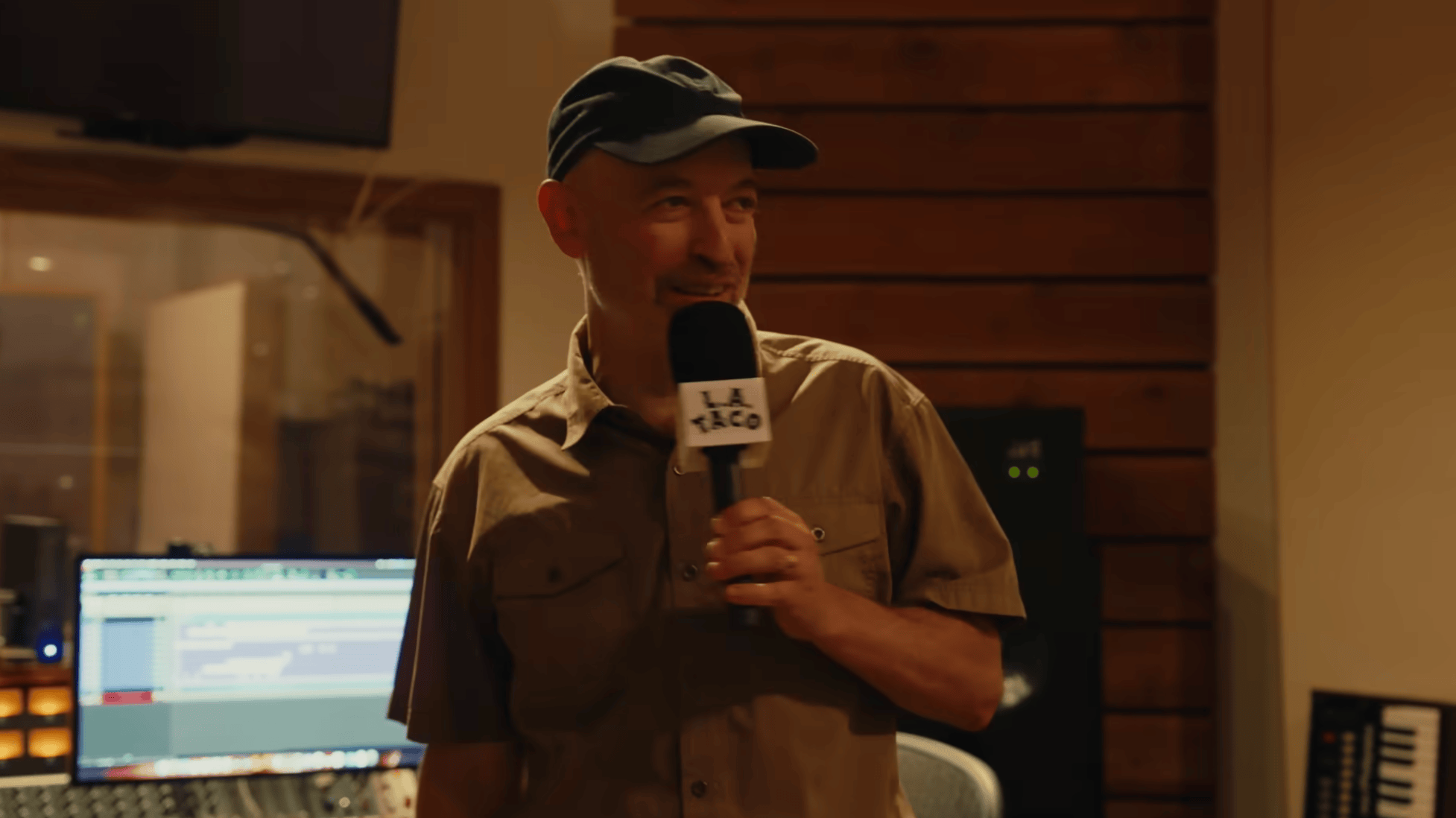
Any sightings of federal law enforcement personnel was connected to their appearance, along with planned law enforcement presence at the stadium on game days. That includes DHS security agents stationed in the stadium perimeter, at Metro stations, and other members of federal law enforcement, as L.A. TACO’s Izzy Ramirez explains in this video.
Last year, L.A. TACO’s Memo Torres was able to confirm that Homeland Security, not ICE, were at the Rose Bowl during the Club World Cup.
We also published this guide on how to tell ICE agents apart from other law enforcement officers at airports, which should also be helpful outside of airports.
We want to remind readers that DHS operates multiple law enforcement groups within the department.
It’s also important to note that the FIFA World Cup is officially a National Special Security Event (NSSE). This means that security for the tournament in the U.S. will be handled by DHS because the designation “centralizes security operations under federal direction for nationally significant events at increased risk of attack.”
Meanwhile, The Daily Memo tracked a rise in arrests by ICE in L.A. this week, reporting: “On Tuesday, there were about a dozen incidents reported, while yesterday, Wednesday, we also saw about the same number. Around 15 people were taken by ICE on Tuesday and Wednesday in the Southland.”
It’s possible that arrests will continue in this manner during the summer as more people are out and about. Keep in mind that Mullin has also publicly said that he’s pushing for “quieter” raids throughout the summer.
CHIRLA and the Los Angeles Rapid Response Network (LAARN) have published a “Know Before You Go” rights guide for folks heading out into L.A. for a watch party, game, or any other World Cup-related event. The guide includes information on “safety while attending FIFA watch parties & soccer events in California.”
The guide includes information on:
- Constitutional rights during encounters with immigration agents and law enforcement;
- Steps families can take to create an emergency preparedness plan;
- Practical suggestions for celebrating safely and responsibly in community settings;
- Guidance on documenting and reporting immigration enforcement activity;
- Contact information for Rapid Response Network hotlines that provide information, support, and assistance in the event of an immigration raid or enforcement action.
"Every person in the United States has constitutional rights, regardless of immigration status, and communities deserve access to accurate information about those rights. By sharing this guide, we hope to help families stay informed, prepared, and able to participate in community celebrations with confidence and peace of mind,” states Erika Erika Schwerdt, Program Manager / Community Organizer- Antelope Valley Region, Strength Based Community Change (SBCC), a member of the LARRN and guide's leading author.
The guide is currently available in English and Spanish, and will be translated into other languages as well.
Readers can find additional information about their personal rights at CHIRLA’s website.