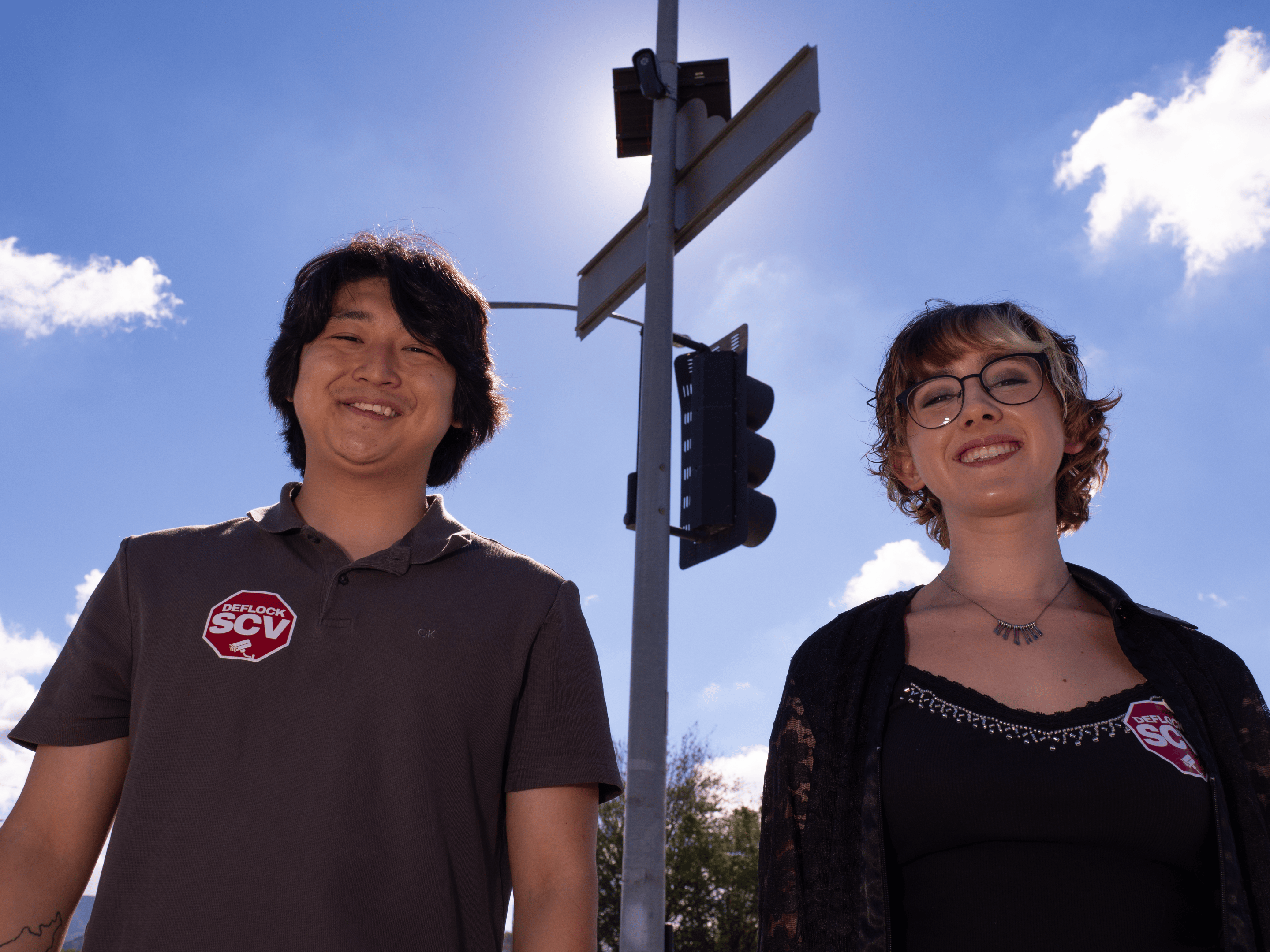
You may have seen the viral videos of young activists in Santa Clarita, a historically Republican town, challenging their city council over the growing number of Flock cameras being installed around the city.
As someone who was born and raised in Afroman’s Palmdale, I was surprised when one of these videos showed up on my “For You” page.
There’s a long-standing jab that Palmdalites instill in their young: Santa Clarita is a cop city and historically on the wrong side of history. But these young activists challenged my long-standing town-to-town bias, and even changed my mind.
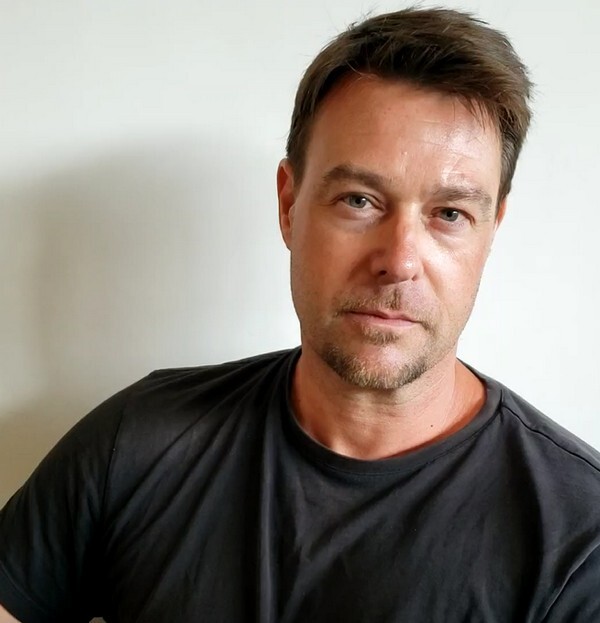
I met up with two members of Deflock SCV: Its creator, Jaechan Lee, and Charlotte Brown, a young activist who has been taking TikTok by storm. Both grew up in the area, Brown from Valencia and Lee from Saugus.
“I came back from college. I was applying for jobs, and no one was responding,” Lee says. “So I decided I’m just going to make experiences for myself. I had seen the local media post an Instagram poll where 80% of people were against Flock cameras. I thought, ‘Oh, that's a lot of people.’ I made an Instagram for this organization to stop Santa Clarita from putting up more cameras and hopefully get rid of some of the ones they had.”
Around this same time, Brown had heard about Flock cameras being used around the country but had no idea they were in her own backyard.
She assumed this was a major city problem, not something happening in a community like hers. The Deflock SCV team had discovered that six cameras were within one low-income neighborhood in just a half-mile radius, while ironically none were placed near their mall.
“I had seen the Instagram Deflock SCV and thought, ‘Wow, this is here,’” she says. “Then [Lee] put out a call for volunteers, and I was looking for more ways to get involved, especially politically, because there aren't a lot of opportunities in Santa Clarita. So we got in contact . . . I first started by making some of the early posters, then we started to attend the city council meetings, and now we are here.”
They started working together in early August. Outside of city council meetings, they began researching public records, meeting with the press, and canvassing their community.
Brown has been doing all of this during her senior year of high school. It was striking to meet a 17-year-old who was so well-spoken and professional. She credits Sarah Ford, her debate teacher, with helping her find her voice and become more confident in public speaking and debate.
Santa Clarita has actually become more Democratic over the years, reflecting a broader political shift in the area, Lee tells L.A. TACO.
“Santa Clarita voted for Hillary in 2016, Biden in 2020. I think it's related to [new] people moving in,” he says. “We might even get a Democrat on the city council for the first time.”
“Santa Clarita voted for Hillary in 2016, Biden in 2020. I think it's related to [new] people moving in,” he says. “We might even get a Democrat on the city council for the first time.”
As people are priced out of Los Angeles, many move to Santa Clarita and commute back into the city for work. Jaechan sees the changing population as part of a larger shift in the community and its politics.
Getting the City Council to listen, however, hasn't always been easy.
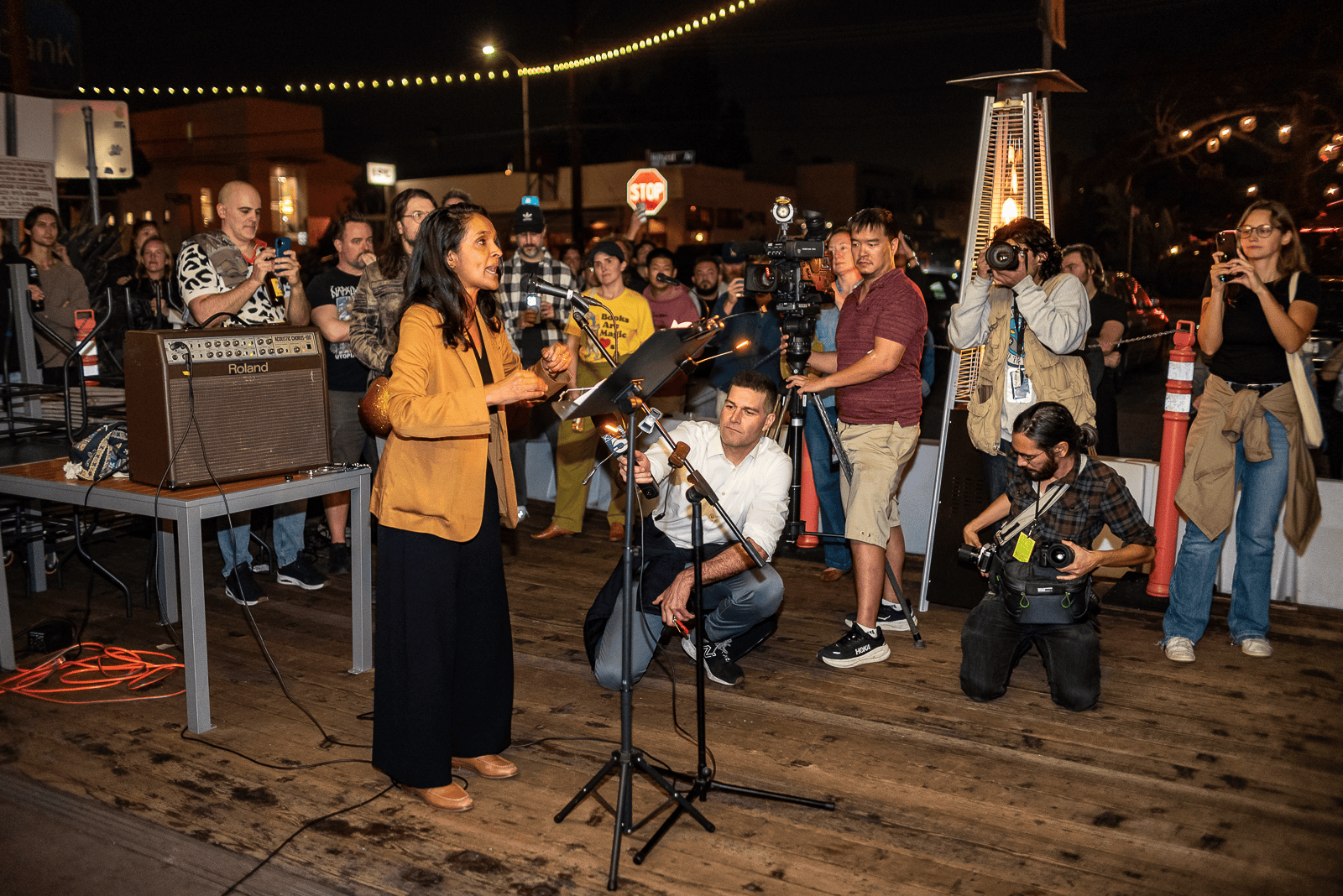
“I was really nervous for the first time at a City Council meeting,” Lee says. “We didn’t know what to expect. We didn’t know how they would react.”
They say they were worried about not being taken seriously because of their age. At the first meetings they attended, the duo felt dismissed, with council members even making condescending comments like “great performance.”
Brown had a different experience with public speaking. She was used to getting up in front of people, but her first city council appearance still came with an unexpected surprise.
“I wasn’t nervous because, to me, this was just another speaking thing I was doing, and I’m used to doing that,” she says. “A funny story, though. The first time I ever went to speak, they happened to do some sort of reading award for pre-K kids. So I walked in ready to yell at the city council and was met with a bunch of little kids. It freaked me out so bad.”
Luckily, the kids had left before public comment began. Some of the parents, she said, were supportive of the young activists.
“They would say to their kids, ‘Look at these brave people fighting for what they believe in!’ It was really great,” she says.
Brown's approach to activism has also helped the group reach people beyond the city council chambers. When she started going viral on social media, the group realized they might have something bigger on their hands. People were paying attention.
One of their first viral videos, which has amassed more than 323,000 views, features Charlotte during public comment, playing the role of an aspiring sheriff's deputy who dreams of using surveillance technology to stalk her ex-boyfriends. In her sarcastic speech to the city council, she laid out the potential dangers of giving law enforcement access to location data without adequate oversight.
“When I grow up, I want to be a deputy of the Los Angeles Sheriff's Department,” she told the council. “Ever since I was a little girl, I’ve dreamed of having unlimited access to surveillance technology to keep tabs on my ex-boyfriends.”
She went on to describe how Flock cameras could allow someone with database access to search for where a person had been over the previous 30 days, using a drop-down menu to select a reason for the search. She also questioned the company's auditing system and the lack of independent oversight, arguing that the system offered little assurance against abuse.
For Brown, seeing her video reach such a large audience was exciting; she even notes that she gets recognized when she's out in public. But the most meaningful changes have been happening closer to home.
“What has been a highlight was having a council member denounce Flock and reference my video. That was huge to me,” she says. “Another big highlight to me is seeing the council turn around a little bit. They are making an effort. They will ask us questions now. Seeing those little bits of change is exciting.”
Lee and Brown took us to a neighborhood in Newhall to point out six Flock cameras within a half-mile radius. Several were positioned to look into the neighborhood, rather than toward the traffic-heavy street nearby.
The street is literally called “Race Street”, a name that felt especially loaded given the debate over who gets watched and why.
“We spoke with one of the residents in this area, and since the cameras went up there has been a bigger ICE presence in the area,” Jaechan alleges.
When I asked how he would explain the problem with Flock cameras to someone who didn't understand the concern, he put it this way: “It's a first step to a massive surveillance state.”
When I asked how he would explain the problem with Flock cameras to someone who didn't understand the concern, he put it this way: “It's a first step to a massive surveillance state.”
“Imagine if every time you left your house, someone gets a notification that you have left,” he says.
Brown pointed to the risks of data breaches, questioning how secure the information really is and who might eventually gain access to it.
When the conversation turned to their safety, they said they'd rather be watched themselves for raising concerns over Flock than see an innocent person being surveilled for no reason.
To their surprise, they have been getting incredibly positive feedback from their community members and online.
Brown also pointed out that the camera inside the city council chamber had been repositioned and no longer faced the person speaking at the microphone. The thinking was that without the camera pointed at them, the activist might be less incentivized to speak.
Little did the council know, this was never about clout or views. These activists were doing it to help educate their community.
“Conveniently enough, now the camera in the city council meeting happened to coincidentally move, so it's no longer facing the speaker,” she says. “They thought they got us when they did that.”
Brown told a story about her own arrival in the world. When her mother gave birth to her, she had to be airlifted to a hospital in Northridge because the local hospital in Valencia didn't have a neonatal intensive care unit. Her mother's OB-GYN had appeared before the same city council to advocate for a NICU.
“I always joke that I've been fighting with some of these council members since day one,” Brown said. Some of the people who had been on the council are still there now.
To Lee, he sees the mission of denouncing Flock as part of a changing Santa Clarita, where younger residents are finding ways to participate in local government and challenge decisions they believe put their neighbors at risk.
Despite what older generations used to say about Santa Clarita being the suburban hub for every Los Angeles cop and stressing its lack of self-determination, it’s impossible to not feel emotional when meeting this brave new generation of local activists. The future suddenly looks a little brighter with people like Brown and Lee in the fight.
To keep up with Deflock SCV, follow them on Instagram.