


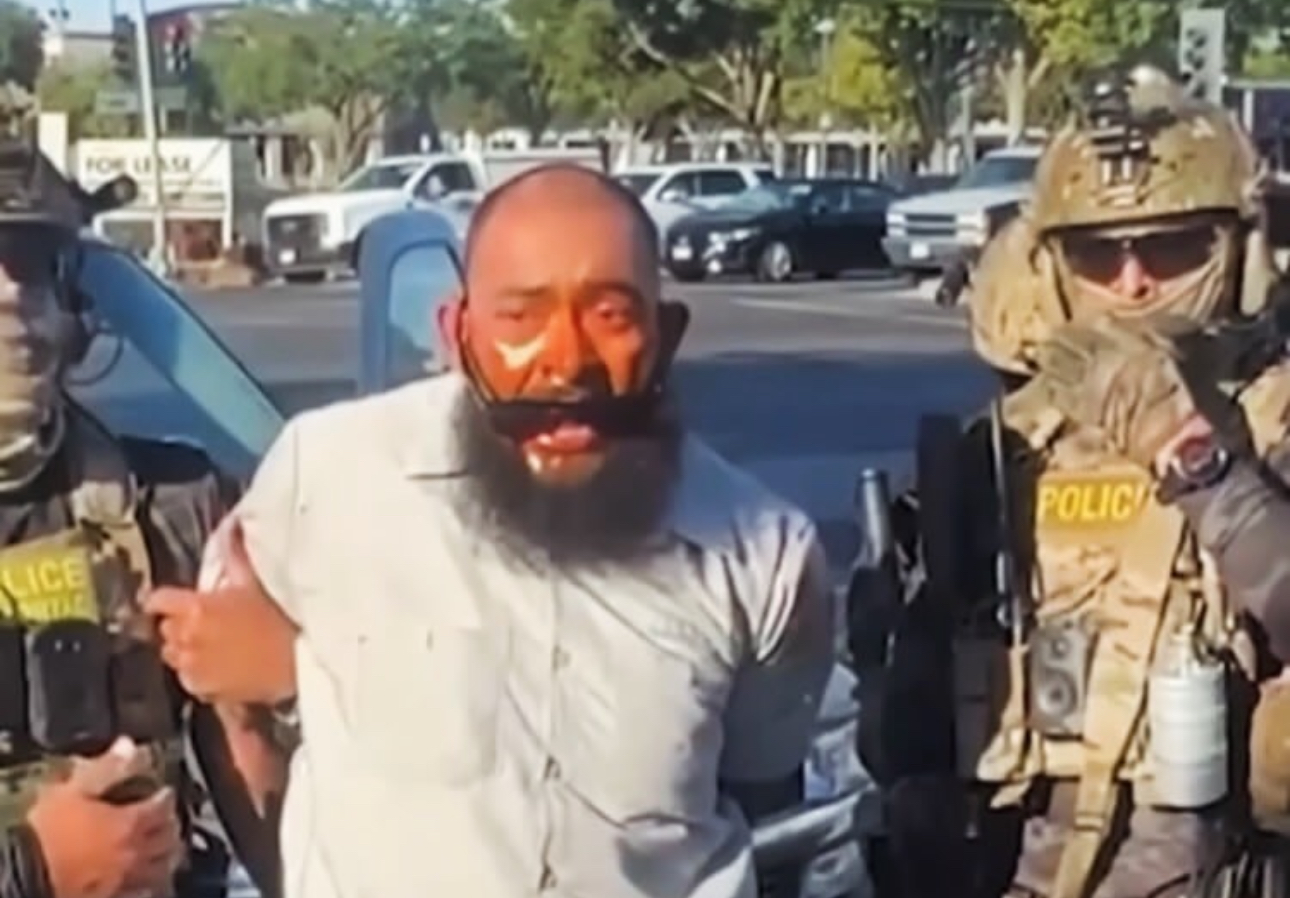
Memo Torres breaks down ICE-related news in Southern California today. Below, you'll find links and references to everything discussed in the video, allowing you to take a closer look at each topic.
It's day 42.
ICE ACTIVITY:
- Sacramento Home Depot raid, including the arrest of one U.S. citizen: Post, Video 1, Video 2, Video 3, Video 4
- Sacramento: Agents chasing people in the street.
- BP Chief Bovino sends a message from Sacramento.
- Sylmar: A vehicle crashed into someone’s backyard as he was chased by an unmarked vehicle, which witnesses say turned out to be federal agents.
- Lincoln Heights: Vehicle arrest
- Downtown: Federal police rushed protesters staged across the street from the downtown federal building, tackled, and arrested two protesters during the middle of the day. These protesters have been peacefully demonstrating since Friday, when they witnessed handcuffed women and children being unloaded off of vans in the middle of the night.
OTHER ICE NEWS
- LA Public Press reports that the feds just demanded LA County hand over data on every undocumented inmate. The federal request targets even those who haven't been convicted and could directly challenge California's sanctuary state law.
- ICE is gaining access to trove of Medicaid records, adding new peril for immigrants. “ICE will use the CMS data to allow ICE to receive identity and location information on aliens identified by ICE,” the agreement says. The Times reports that undocumented immigrants are not permitted to enroll in Medicaid, a joint federal and state program that helps cover medical costs for low-income individuals. The program also limits benefits for other lawfully present immigrants, with some required to undergo waiting periods before they can receive coverage. However, federal law requires states to offer emergency Medicaid, coverage that pays for lifesaving services in emergency rooms to everyone, including non-U.S. citizens.
- ACLU’s Know your rights: The Fourth Amendment of the U.S. Constitution protects people from random and arbitrary stops and searches. Although the federal government claims the power to conduct certain kinds of warrantless stops within 100 miles of the U.S. border, important Fourth Amendment protections still apply. This helps you understand your rights within the 100-mile border zone.


