
It’s been nearly two weeks since ICE invaded Chicago. On Sept. 9, ICE launched Operation Midway Blitz, which DHS described as an operation that “will target the worst of the worst criminal illegal aliens in Chicago.” Three days later, immigration agents shot and killed Silverio Villegas González, a father of two from Michoacán.
As many media outlets repeated information from DHS verbatim, which accused González of dragging an agent with his vehicle, Unraveled Press, a local and independent investigative news group, discovered that the sequence of events laid out by DHS was “quickly disproven by videos captured by witnesses.” They also found that González only crime on record was a violation for speeding in May 2013.
The situation on the ground in Chicago and the surrounding suburbs has completely unravelled since then, with ICE making arrests in the same way they’ve done so in Los Angeles over the past month. Independent newsrooms and reporters found themselves overwhelmed; meanwhile, legacy and mainstream media weren’t covering the whole, much less accurate, story.
The solution for the two-person team at Unraveled and their indie media peers was evident. On Sept. 15, Unraveled, The Triibe, a Black-owned and Black-led publication, and The Chicago Reader, a 50+ year-old, non-profit alt weekly, announced that they would be collaborating and uniting their ICE coverage to better inform their collective readers and “publish reports about the increased enforcement and presence of Immigration and Customs Enforcement (ICE) and other federal agents.”
In the spirit of independent media solidarity, we reached out to all three outlets to discuss how they came together to combine their coverage on ICE, the unique challenges they face covering ICE in Chicago and the suburbs, what they’ve learned from following ICE coverage in Los Angeles and Washington D.C., and more.
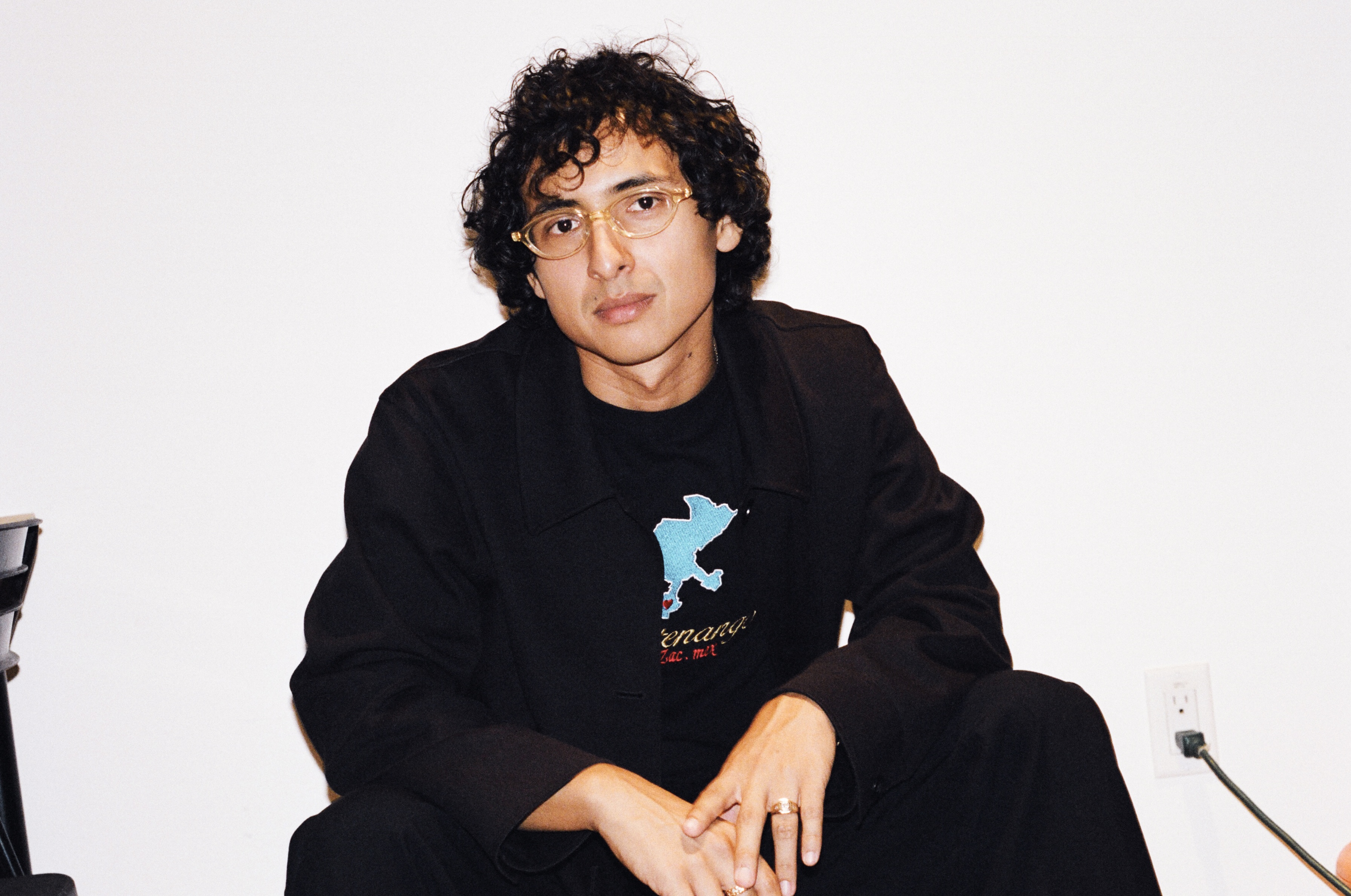
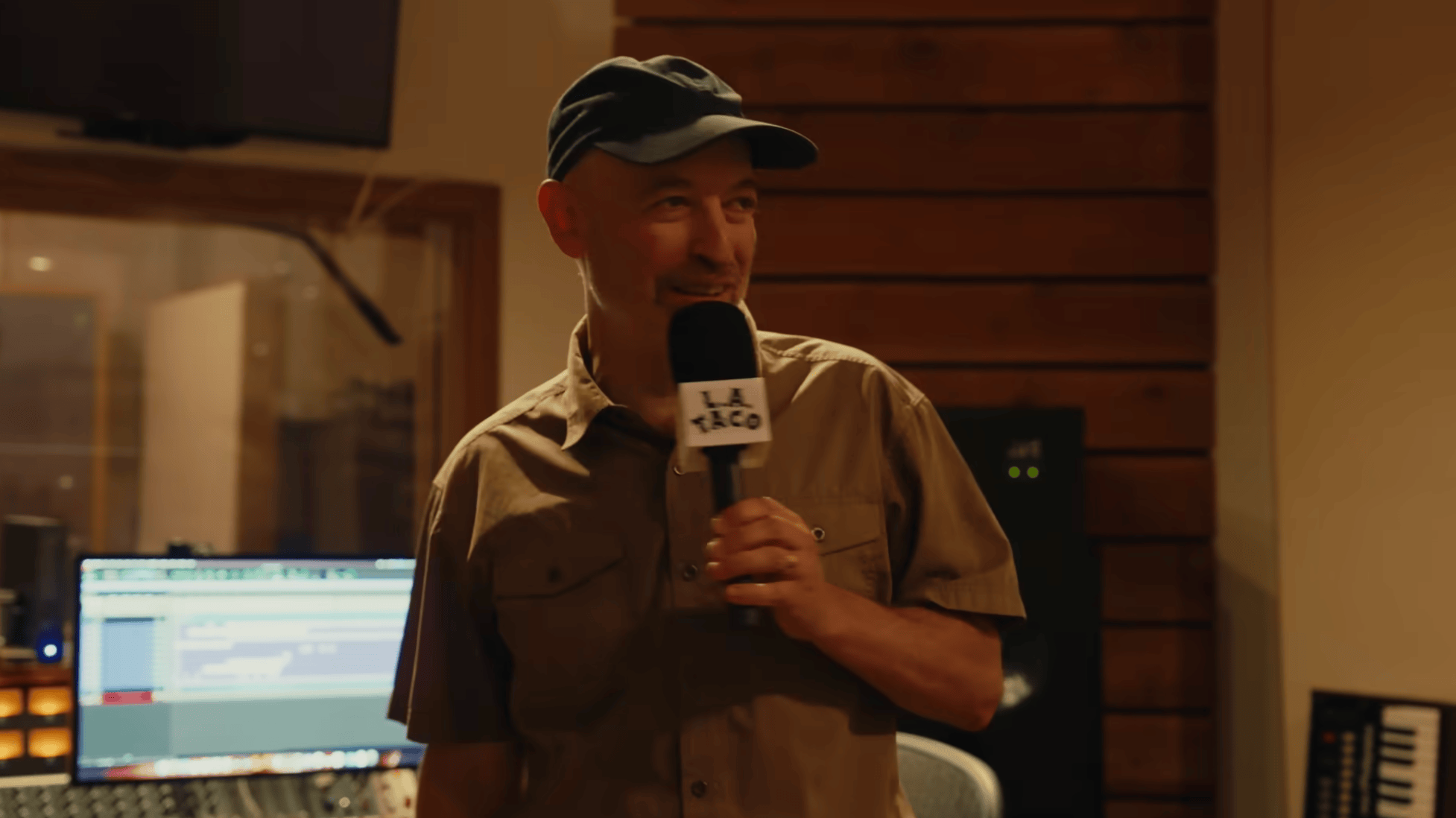
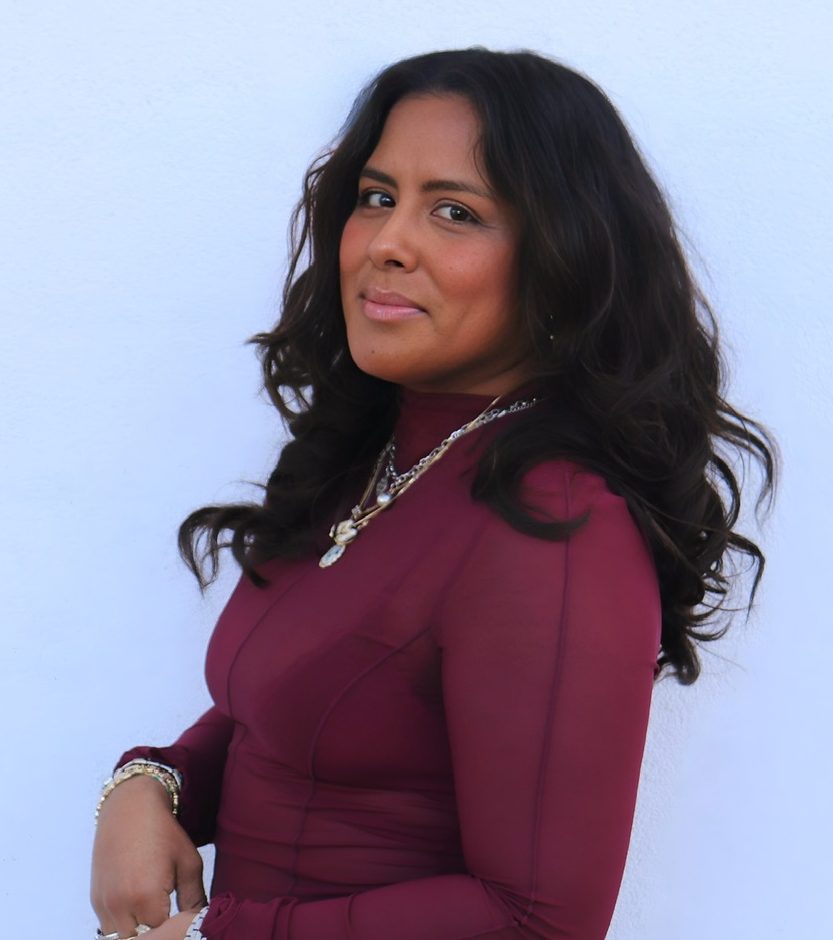
Below is our conversation with Tiffany Walden, co-founder and editor-in-chief of The Triibe; Steve Held, co-founder of Unraveled Press; and Shawn Mulcahy, news editor at The Chicago Reader.
(The day after our interview, a huge protest broke out at an ICE facility in Broadview, west of Chicago. Photos show that the protest began around 5 am on Friday, Sept. 19, and lasted well into the night, during which time federal agents assaulted and shot protestors and members of the media with pepper balls and tear gas. All three outlets were on the ground covering the situation, where they also spoke with numerous local and state Democrat politicians who were at the facility to support their constituents.)
This conversation has been edited for brevity and clarity.
L.A. TACO: How and why did you decide to collaborate? At what point did you all think it would be beneficial for yourselves and your readers to work together covering ICE in Chicago?
Held: I think right when, just two weeks ago now...we were starting to get word that either CBP or ICE were going to be stationed at the Great Lakes Naval Center. We started hearing that they're going to start increasing ICE raids and that, at some point, CBP was coming. Shawn [Mulcahy] and Dave [Byrnes, journalist] and Raven [Geary, Unraveled co-founder] and I had worked on immigration court stuff, and this was going to involve getting up at insanely early hours in the morning to try to go scout things out, and needed a couple of cars and logistics like that. So we started organizing that from day one, basically, and then time is a blur.
But I think sometime earlier this week, we've also met and stayed in touch with Tiffany and Morgan [Elise Johnson, co-founder & publisher] at The Triibe over the last year since we formed anyway. Tiffany just reached out about ‘we're out there doing this and we're trying to both report live from what's happening,’ and also have folks monitoring social media because there's so much just chaos, right? You have kind of disinformation, people posting like older videos and claiming it's new and things like that. But then you also just have a ton of misinformation that people aren't trying to pollute the environment, but they don't necessarily know the difference between plain clothes Chicago police officers or legitimate other federal activities that might involve the FBI or HSI and then ICE raids, right? So you get a whole bunch of stuff just out there in social media and part of it's just been trying to verify as much as we can.
Tiffany reached out, like, ‘...if you guys are verifying this, how can we help get this word out to the community, because it does seem like it's like what we're seeing.’ I'm sure we'll get to this later, but we're what we're seeing on the streets is so chaotic, and I feel like so many people just going about their day-to-day lives have no idea of what's really happening in the city...a lot of it's actually happening in the suburbs, which is a whole other conversation.
Walden: This past summer, our newsroom has just been watching what's been put on in L.A. I'm a fan of L.A. TACO, so we've been watching what happened in L.A. and then it pivoted to D.C. Through watching what was going on in D.C, I've been in conversation with folks who live in D.C. We've been watching organizers and what they're doing in D.C. and just trying to get an excellent understanding of what these strategies look like when they're in practice on the ground.
So, The Triibe, we are rooted in liberation work. A lot of the articles and journalism that we do, particularly, is in pursuit of liberation not just for black people, but for all oppressed people. When Trump and everybody started talking about Chicago, our story is linked to him constantly talking about Chicago. We began in 2017, right when he was talking about 'top gang thugs,' and all of that stuff in Chicago, too. But when he came back around, he was talking about deploying troops here in Chicago. That's when we kind of turned our head, our lights on, and were like, ‘okay, we need to pivot to covering whatever this is.’
So we were covering a lot of the on-the-ground protest activity that was happening around that and know-your-rights activity and what organizers are doing to prepare everyone for this moment. But then, the past couple of weeks, there's been this sentiment of ‘oh, we won. Trump is not coming here. Troops aren't coming here.’ Meanwhile, I'm watching Steve and Raven at Unravel, and I'm watching Shawn, and I'm watching everyone post all of this stuff on social media of what's happening in Broadview. ICE was at the facility out there. Every week, people are protesting there. I'm watching videos they were posting of people being detained and disappeared. And so, I was like, ‘This isn't over.’
I think one aspect of it, of him deploying the troops, sure, we were loud enough not to have that happen. But there's a whole other strategy happening on the ground. I think our audience didn't really understand and our audience is predominantly black and we just wanted to start figuring out how we can jump into this issue. We don't have any practice or training in covering ICE and in doing the work that Unraveled, and Shawn at the Chicago Reader, has been doing, so that's when I reached out. It was like, how can we do this together?
Tiffany, since you mentioned that you were looking at D.C. and Los Angeles, what kind of lessons and strategies did you notice and that you're following in or using in Chicago in your coverage?
W: Particularly recently, we did a video conversation with...Zachary Parker, and he's a council member in D.C., and we posted the video on our Instagram, on our social media, but he was explaining how federal agents are moving in D.C. and targeting not just Latino communities, but black communities as well. It was correlating with videos I was seeing on TikTok, particularly of federal agents just walking up in Black neighborhoods asking them questions about what they're doing.
There was one video in particular where folks were sitting outside on their porch, and they started recording a federal agent walking up to their porch, asking them what they're drinking, telling them that Trump has us out here doing a crackdown on crime, and asking these people, like, ‘have y'all heard about that?’ And they're like, no, so I was watching those types of videos, which were essentially kind of a stop-and-frisk harassment activity that these agents are doing, and under the badge of Secret Service...these badges that you typically don't even see doing this type of enforcement. That was a really big lesson for me and watching D.C. in terms of how do we have this conversation with our black audience, particularly because so many people have seen this as ‘this isn't our problem. People voted for this. This isn't our problem. Let them figure it out.’ But then watching this surge happen in D.C., and people not really know what's going on, and then also being arrested and detained because of it, I felt a really strong responsibility as a journalist to alert our audience and help them unpack what's happening around them.
And I'm thankful for our friends at Unraveled and at the Chicago Reader. Us and The Chicago Reader have a long relationship back to when we first launched at The Triibe. I'm just happy that we're all aligned in doing this work.
H: We’re primarily on Bluesky...after moving off Twitter. I think watching you guys and the coverage out of both LA and DC, and this isn't even just specific to this... we hadn't adapted to video, right? It's just two of us, and that takes a lot of time. And so it's just like, this Bluesky and quick videos here is fine, but it's a much more limited audience. We've had to adapt. How do we even get the word out in ways that people consume and share across communities? So that was one big thing.
We know reporters in L.A. There were a few reporters who have been here in Chicago...and have done a great job covering the L.A. protests and activity...but it happens so fast and furious out there. They'll tell us what doesn't work but, we're still doing some of that. It's like just trying to find ICE agents out in the wild, you know, it's just kind of a fool's errand, but we are fools!
We're learning a lot. Even though it's like, not necessarily going to result in us jumping out of our cars with cameras just as they make an arrest, we have learned a lot even just by being, you know, we were 10 steps behind, and then we were five steps behind. Actually, yesterday, we did run into them at a Home Depot, and they immediately left. We happened to be there at the same time. The person we know is their lead, who came patrolling through the lot, still wearing his mask, so it was easy to spot him. They went off and, to my knowledge, didn't return to that spot at least until yesterday.
We've gotten a lot closer to them out there. I still don't know when exactly we might run into them, but just being out there, like I said, we've learned a lot of other strategies and tactics that we've been able to report out that just help people be more aware, protect themselves, know where they they've been active, like that day, and how they can protect themselves.
Mulcahy: We definitely learned from other folks in both L.A. and D.C. in terms of more practical, like tactical things, to just like, don't even bother with reports that don't have photos or anything. We're just flooded with so many things that you're never going to be able to keep up. Focus on the ones that you can, if they have photos or things like that. It's been really helpful to ask questions of folks to just understand this operation...just watching how the feds are moving in D.C. and L.A. and kind of like, internalizing. We can understand, ‘This is their strategy.’ They're doing these jump-outs...understanding how they're operating in the city in the first place has been really helpful. So much of it is really just trial and error. I feel like we’ve learned a lot ourselves about everything. We're watching helicopters now. I didn't know anything about planes, and now we're doing all sorts of things.
Yeah, even with us at L.A. TACO, we’ve had to pivot in a few ways. We weren’t doing daily videos before this, but because there were so many stories and events happening daily, Memo Torres started doing his Daily Memo videos to recap everything related to ICE that we just couldn’t cover in-depth.
W: That's really the sentiment that we have with our live phase. I've been in conversation with other journalists. Other Chicago networks are working together, too. There's another collaboration where they're collecting videos and footage of what's going on in Chicago. But this is just moving so incredibly fast that there is no time to get any interviews with people, like in-depth interviews with people, or any in-depth information at all. I think Steve, y'all had interviewed somebody this morning, a 17-year-old boy that was almost hit by an agent. And I was just even surprised y'all even got that in the amount of time that this stuff is happening. The biggest shock is that it's so sporadic, and it's so quick, you know, it's happening within a flash and everybody's trying to figure out how to adapt to that strategy that they've taken on.
H: Yeah, it's a constant, and I'm sure it's the same way in L.A., even now, it's just a constant cat-and-mouse game of you adapt, they adapt, you adapt. They obviously learn lessons coming here, right? They're very quickly escalated to just doing these jump-outs that we've seen, tons of cars just having their windows smashed and drivers or people taken, just abandoned cars left behind. I think they learned from L.A. They want to get in and out in a few minutes, and if somebody doesn't immediately get out and comply, they're just going to smash a window and grab them.
And then, of course, not even a week ago, they killed, they shot and killed a man in Franklin Park, which is just west of Chicago. So, just to see that in their first week in Chicago, they already got so out of control and created such a dangerous situation with this jump-out tactic, and it was only two officers. Chicago police do these jump-outs all the time, but they typically have, like, four or five officers at least, and often multiple cars when they do this.
Last Friday, there were just two agents on their own who tried to perform this jump-out traffic stop. From the video, it appears the man attempted to drive off. It seems like one of the agents, DHS says, was dragged. I would not be surprised to learn that he just held on to the car, and he ended up shooting Silverio Villegas González, I believe, at pretty close range. We'll see if any more evidence comes out, but the FBI and ICE have not at all been transparent about that investigation. There are actually some businesses there that won't share their security video because the FBI told them not to, which is concerning. So I don't have a lot of confidence that we may never know what actually happened in that case, and I don't know if there will ever be any accountability, given that there was a federal agent.
When we started talking, and Tiffany mentioned, like, this isn't really over with the National Guard not coming, like, I think this hasn't actually been started, which is a crazy thing to say after they just killed somebody. But CBP just now arrived like two days ago. I think they were supposed to be here earlier but...they just conducted their first stop two days ago. Kristi Noem flew in for an early morning raid on a house, did a quick photo op, and flew out.
M: During that raid, they broke down someone's front door and arrested two US citizens.
H: I haven't had time to keep up on all the details of all the arrests and raids, but yeah, they did that two days ago. And then yesterday, we thought CBP was suspiciously quiet. But also, then we learned at the end of the day that Bovino had to go out to L.A. to testify in that court case where they had been trying to drum up charges against a protester and [a] jury acquitted them, right? So he was out of town yesterday, so I don't know how much that played a role in them being quiet, but CBP has barely done anything here, and...they have a whole different mission. They have whole different rules of engagement. I don't think people are fully prepared for what could be coming still.
W: And most importantly, I want to add to what Steve said, too, the media is not prepared for what's coming. I’ve been to L.A. I’ve been to D.C. In the Chicagoland area, most of the media is concentrated within the actual city limits. The newsrooms themselves are concentrated within the city limits, with a lot of them being in downtown Chicago. There's also the issue of the Chicago Tribune. I don't even know if they go into an office at this point. They lost the Tribune tower. They're demolishing the other building. They had to turn into a casino, so they might just be working from home...I think The Tribune itself used to own dailies that were in the surrounding suburbs that are being targeted right now. There used to be newspapers in a lot of those suburbs that are not there anymore. Or if they are there, they're just, publishing something from the Associated Press or they're just putting up a police blotter or something, but it's not an actual operation anymore.
So this strategy, like Steve said, with them shifting, they're shifting, we're shifting, they're adapting, we're adapting is, really, also a story of like, there are no media outlets really fully funded in the surrounding villages and suburbs and towns that they're targeting. So you have reporters who are out in the field trying to get from a neighborhood in Chicago all the way out to the Navy base, which is, like we said, an hour or so away [and] that's in nice traffic, you know, people trying to get from the north side to the south side to the Home Depot. It's a very challenging situation for media and for reporters to even keep up with what's going on. And I know L.A. is sprawled out too like that with heavy traffic. D.C. has its own geographical challenges with the Beltway and all of that stuff, but they're doing this in a way where they know that no one can get out there to these places in enough time.
H: It is so geographically dispersed, like we've joked we need an Unraveled helicopter to get around as we've tracked these helicopters. We'll get an alert of something and it's not even that far away, but it's like, well, that's going to take us 40 minutes to get there. We're just not going to make it.
I hate to give ICE credit for anything, but I do think it's smart for a few reasons, the way they've attacked Chicago in the surrounding area, because there's the geography that we talked about, just the distance. But then there's also...there's a lot of folks that you can't say you're from Chicago, if you're really, really from Naperville or whatever. There is kind of a like, city-suburb divide that is firmly on the crazy city limits. You're driving, you don't even know you left the city, frankly...there's no transition through cornfields and then you hit a suburb. It's all part of the same entity, really. So, there are times we're driving and I don't even know if we're still in the city or which town we're in or in some area. Some of them are super tiny. It's just not Chicago, I think, is how some of that kind of gets categorized.
I also think there's just a general lack of awareness of the significant Hispanic populations in some of the suburbs, right? I think people don't realize, like, they hear like Elgin, which is a far northwest suburb. They think white people live out there and there's actually a very significant Latino population there and a lot of industry.
W: They think Broadview is like a white suburb, but it’s Black people.
H: The demographics of the Broadview population versus the demographics of the Broadview police force is a separate conversation, but anyway, I think there's a lot of advantages to the way they've tackled this and they've clearly come in from the south and the north. There's a lot of media attention on the naval base because it's catchy that they're using this naval base for something that's far, way north. So a lot of folks are saying, ‘it's going to be so hard for ICE to get down in Chicago.’ Well, actually, nobody's staying at the base.
They basically just got hotels in the southern suburbs. We know they're in hotels around Midway, and they've got hotels to the far north and probably west, into the Northwest as well. So they kind of have their zones that they're operating in and they each have their own hotel bases. I don't actually know what's going on at Great Lakes Naval Base. I don't know that anybody does. If that's just a meeting space for leadership, or some other logistics, I don't know, but just more we've learned from being on the ground.
With these last few minutes, can you talk about what the reaction and reception has been from your audiences about your coverage of ICE and their activities, movements, etc.?
H: I think we've gotten a lot of support online. I've seen a ton of people reposting The Triibe’s summaries and content. That's one thing with us doing this. I have my own account, I'm putting stuff out under, Shawn's putting stuff out, Dave's putting stuff out. Some people want to [in] real-time, follow it. But what The Triibe is doing to distill all that, consolidate it, and take it out of the one social media channel so anybody can catch up on what happened that day is awesome. I know they've gotten a ton of positive feedback on that and I know Shawn and me and Dave have all gotten a lot of support from the community, because...our followers are people out there in these rapid response groups or in other groups, whether they're impacted or they're trying to help. So, hopefully that information is helping inform how they operate too and keep safe.
W: To add to that, when we think about 2020 or even if we think about Black Lives Matter, actions prior to that in 2015, ‘16, you know, we're in a different era of social media. So the information is not being boosted. The information is not being shared in the same way. We're all kind of splintered off now, like The Triibe left Twitter, too. Communities are not all in one place anymore, like they were before. So us putting it on the website and having that kind of breakdown of, like, we don't know everything. This is not a full account of what's going on, but at the very least, you can see where ICE is listed and realize that they're in your neighborhood. I myself have family in the suburbs. I have family in Broadview that had no idea what was going on with that Broadview ICE facility. People just need to see that this is reaching their sphere, and we've gotten a lot of positive feedback about that, and particularly about our collaboration itself. They would love to see more efforts like this and replications in other cities.
M: I think the biggest reason that we threw ourselves into this in the first place is because we noticed there was an information gap. Some of the rapid response groups were reporting information, some were not, and, for understandable reasons, but just various information going around. There's nothing really like real-time, and there's no central place where you can go to look for that information. We were just trying to compile as much as we could from everything we were seeing. It seems like people have responded to that, like, just the fact that they can get this information, because before it was very fractured.
One of the reasons why we felt so strongly about doing this in the first place is, like, there needs to be some way to quickly get out information about what's happening right now. It's not going to be the full picture. It's not going to be always right, necessarily, but at least we can give you a general idea of what's happening every day. I don't think people realize what is going on. As we see them, the more we pay attention, they're getting closer and closer to the city. It used to be out on these suburbs at the southwest, northwest suburbs and yesterday they were in Wicker Park...there's a lot of yuppies living around these areas too. We can see them pushing further in. So, I think, highlighting for people like this is happening everywhere. It's not just happening in the suburbs, but people shouldn't care that it's not happening in the suburbs, too.