[dropcap size=big]W[/dropcap]hen actor Jon Huertas, also known as Miguel Rivas from the hit TV show “This Is Us,” told Remezcla, “I’ve done over 350 episodes of television, and I’ve only been directed in television by one adult male Latino,” I knew the Panamanian International Film Festival in Los Angeles (PIFFLA) was onto something.
According to a Hollywood Diversity Report conducted by UCLA, white Hollywood claims over 77 percent of film actors, 87 percent of directors, and over 92 percent of screenwriters, despite minorities constituting nearly 40 percent of the U.S. population. An even more alarming fact is that these numbers have only slightly changed within the last decade, according to a study by USC’s Annenberg Foundation.
Among the small number of minorities in filmmaking, only 5 percent are Latinx, which makes spaces like PIFFLA more important than ever to help impact these absurd statistics in a faster way.
In the past, you may have seen or heard of the Los Angeles Latino International Film Festival (LALIFF), which was founded in 1997 by Edward James Olmos, but the film festival went on a five-year hiatus from 2013 – 2018 to focus on a Youth Cinema Project. It’s been back for the last two years but since then, PIFFLA picked up where it left off.
He has witnessed first-hand the amount of great talent that exists amongst Latinos, and the missed opportunity Hollywood will regret by excluding the developing film industry in Panama.
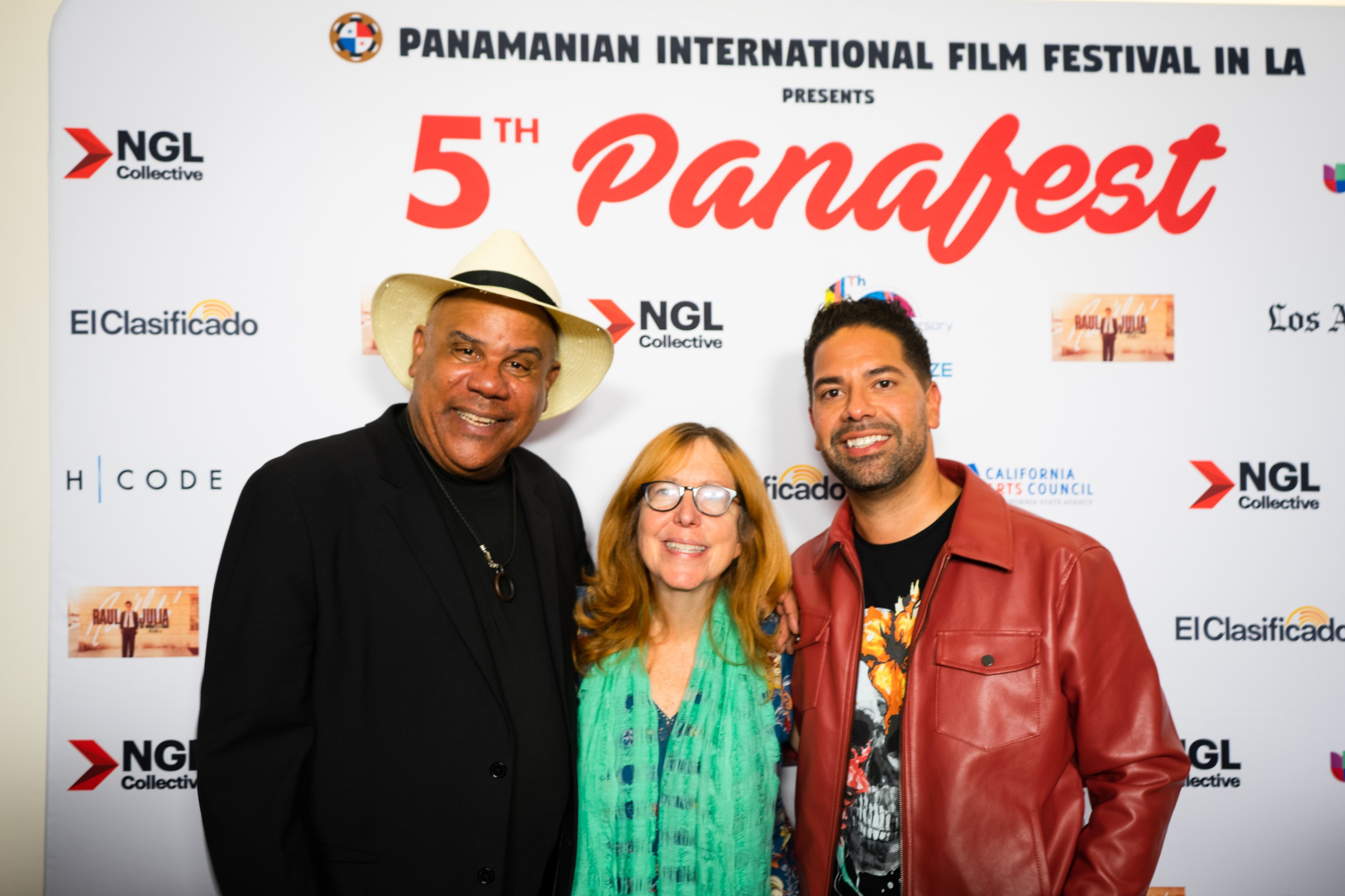
In the meantime, PIFFLA has been able to step in and fill the gap that so many Latinos in the film industry desperately need. The film festival just celebrated its 5th anniversary at the Downtown Independent, where it showcased talent from all over the Latinx diaspora through feature films, industry panels, performances, exhibits, and more!
“This is our opportunity to realize we have more in common than we think,” said Carlos Carrasco, Founder and Festival Director. “At first we mainly focused on actors and filmmakers in Central America, but then we just decided to open the doors and bring all cultures together.”
Born and raised in Panama, Carrasco established himself as an actor in classic films such as “Blood In Blood Out,” “Parker,” and “Speed.” Among other notable roles in film and TV, Carrasco eventually became a Producer and Director for his own films. He also served as the Executive Director for the Hispanic Organization of Latin Actors (HOLA) and co-directed the JACK Arts Ensemble based in Los Angeles.
Through his work, Carrasco has come to recognize the importance of being involved on and off the camera. He has witnessed first-hand the amount of great talent that exists amongst Latinos, and the missed opportunity Hollywood will regret by excluding the developing film industry in Panama.
“I get to spend time with people who understand me, so being here means as much to me as it does to our community. We need more spaces like this that are true to us where we learn about each other.”
Just in 2012, Panama’s President, Ricardo Martinelli, passed a law that established annual funding of over $3 million for local film productions. This caused a major boom in opportunities for filmmakers to document the lives and experiences of underrepresented individuals after a 60-year period of inactivity. The International Film Festival Panama (IFFP) was also birthed in 2012 and is now trailblazing toward its 7th year with global attention from major platforms in the film industry, including Sundance.
By creating a space such as PIFFLA, Carrasco is merely placing a bridge between local filmmakers and their next big break in Hollywood by putting people together in the same room. So much so that even the author and activist Diane Guerrero, also seen on Orange is the new Black and Jane the Virgin, took a moment during PIFFLA to sit with us and share the difference between a film festival catered to Latinos compared to a film festival in white Hollywood.
She said, “I get to spend time with people who understand me, so being here means as much to me as it does to our community. We need more spaces like this that are true to us where we learn about each other.” Guerrero adds, “I see myself, my family, my roots, and my culture because I come from this, I can be this, I am this.”
You can catch the next Panamanian International Film Festival in Los Angeles on October 2020. For more information, visit PIFFLA’s website.