

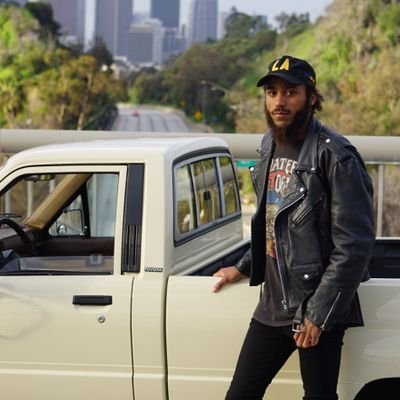
In eight seconds, Pablo Vera’s life changed when three LAPD officers on horseback surrounded him in Downtown Los Angeles and battered him with 40-inch wooden batons modeled after a Japanese sword.
A lifelong Los Angeles Lakers fan, Vera was out that evening celebrating with hundreds of other jubilant fans after the Lakers won their 17th NBA Finals, outside of what was then still called the Staples Center, when the officers on horseback arrived and dispersed the crowd. The historic victory came during a dark year for Angelenos marked by the loss of Kobe Bryant, whom Vera idolized, and the onset of the COVID-19 pandemic.
The impact of one of the baton strikes caused what surgeons call a “nightstick” fracture, according to Dr. David Auerbach, an orthopedic surgeon with over 30 years of experience who performed surgery on Vera’s right forearm. The term is a reference to the fact that the injury has historically been caused by the “nightstick” (or baton) of a police officer, Auerbach testified.
For months after the attack, Vera struggled with sleep, he testified. On some nights, he was kept awake by the immense pain in his arm. On other nights he experienced night terrors where he’d wake up screaming, reliving the moment when he was attacked.
Nearly six years after his arm was broken, and four years after he first sued the City of Los Angeles, Vera finally had his day in court in June. The almost three-week civil trial featured testimony from Vera himself and roughly a dozen other witnesses, body-worn camera footage shot from the perspective of the officers that attacked him, as well as a foam cutout of a life-size horse to emphasize the size of a 1000+ pound American Quarter Horse.
During the trial, Michael Williamson, the attorney representing the defense, questioned Vera’s psychologist, Dr. Michele Cooley-Strickland, over whether or not his depression and anxiety were legitimate. Williamson made the case that individuals seeking a certain diagnosis could manipulate their answers in self-reported questionnaires and psychological tests.
“This isn’t an exact science,” he said to her while she was on the stand. Dr. Cooley-Strickland politely agreed, then added that as a social scientist, she knows this research is ever-growing.
At the end of the trial, on June 23, a jury unanimously found that the officers used excessive force against Vera and violated his civil rights. The jury also found that the officers attacked Vera based on his race. Vera was awarded over $6.5 million in damages, including over $2.5 million for six years of emotional distress, and an additional $3.7 million for future emotional distress damages.
“If there are lessons to be learned, one, the city didn't take the case seriously,” Vera’s attorney, Bernard Alexander, told L.A. TACO after the verdict. “And they should have.”
Alexander noted that the city “had the ability” to resolve the case before trial but failed to do so. “You can’t blame us for getting the verdict,” he added.
A spokesperson for Los Angeles City Attorney Hydee Feldstein Soto did not respond to a request for comment.
According to Alexander, the case came down to the police's word versus what the evidence showed.
“Typically the police are given the benefit of the doubt in terms of their version of the facts,” he said.
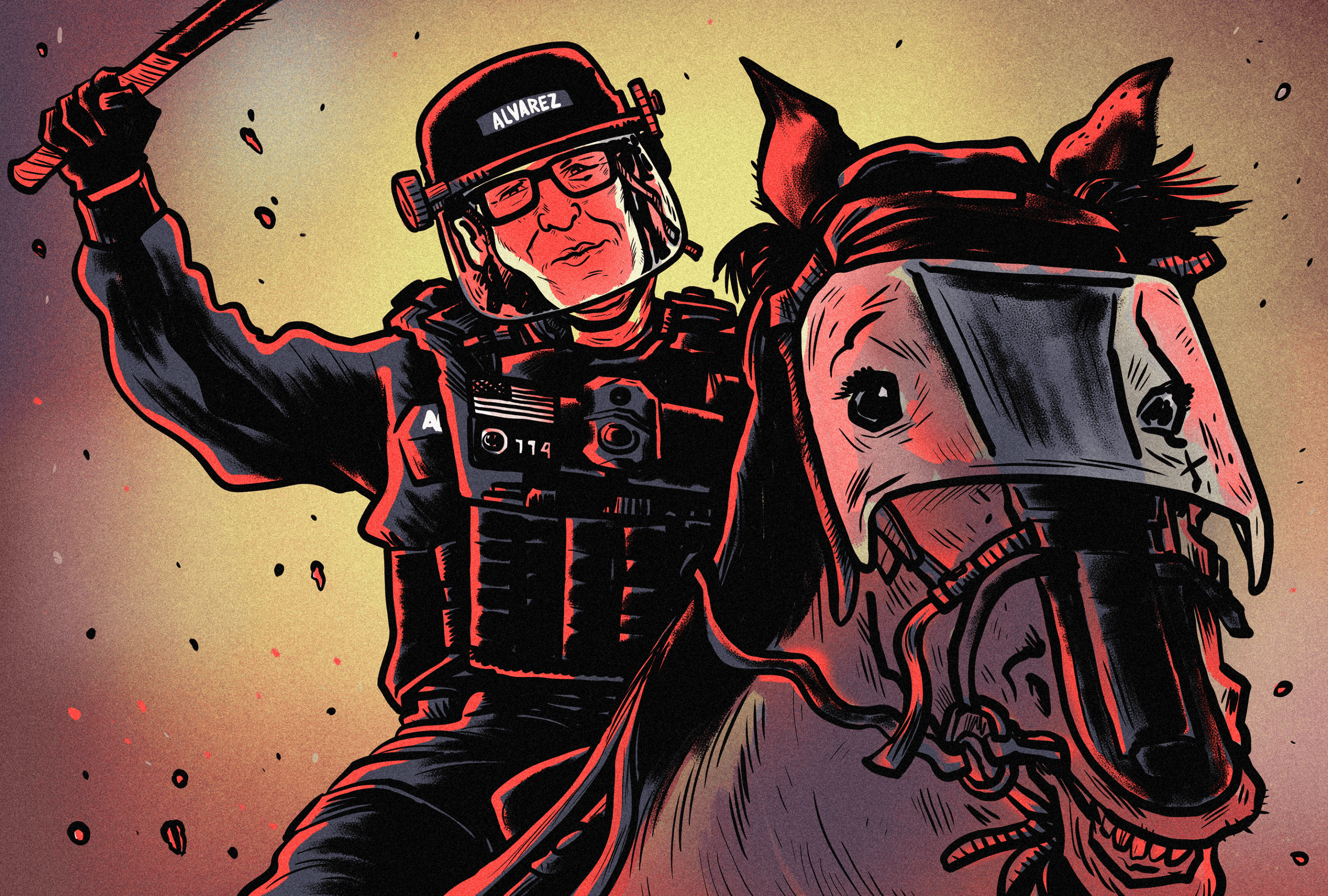
On the stand, LAPD Officer Alexander Alvarez testified that when Vera put his arms up as he backed away from Officers Coffey and Nepomuceno, he interpreted it as a “fighting stance.” But Alvarez didn’t mention this in written reports or during his deposition from years prior.
Alvarez also claimed that Vera appeared to be preparing to push an officer off his horse. However, body camera footage shows that Vera was walking away from Coffey and Nepomuceno when Alvarez approached Vera from behind and hit him in the upper arm with his baton.
The more than $6.5 million awarded to Vera is one of the largest payouts related to civil rights violations or use-of-force, according to data from the Los Angeles City Controller’s Office.
The $6.5 million payout comes at a time when the city is facing dozens of other excessive force claims related to protests and civil unrest, several of which involve LAPD officers assigned to the department’s Mounted Unit, which has gained a reputation for being especially brutal during protests and in crowd-control situations.
On Tuesday, civil rights attorney Greg Kirakosian filed a lawsuit against the City of Los Angeles on behalf of Anthony Alcala, a Los Angeles Dodgers fan who was allegedly injured by a Mounted Unit officer during the Dodgers World Series celebrations in Echo Park last November.
In a viral video recorded by L.A. TACO’s head of investigations, an unknown LAPD officer riding a horse on the sidewalk is seen striking Alcala on the head with the same type of 40-inch wooden baton that broke Vera’s arm, outside of the Short Stop in Echo Park, as Alcala calmly walks away from the officer with his back turned and his hands up in the air. The baton strike to the head resulted in Alcala suffering “head trauma,” according to the lawsuit. Police said they were responding to unruly crowds and people throwing objects (including “commercial grade fireworks”) at officers that night.
Kirakosian described the attack on his client as a “brazen and unprovoked act of police violence against a peaceful Angeleno whose only ‘offense’ was peacefully celebrating the Dodgers’ victory and complying with unlawful commands to vacate a sidewalk.”
During a town hall meeting held in early November of last year, Los Angeles Mayor Karen Bass expressed “concern” about the video footage and said she had met with LAPD Chief Jim McDonnell about it.
Lawsuits for excessive force and civil rights violations have cost the city more than $180 million since 2019, according to the Los Angeles City Controller’s Office. The LAPD leads all departments in liability payouts, which have cost the city a total of more than a billion dollars in the last five years, pushing the city into a financial crisis.
“It's in part self-made,” Alexander said when describing the city’s budget crisis in an interview with L.A. TACO. Two years ago, his firm made a settlement offer before the Vera case went to trial. However, the city rejected the deal. The city didn’t provide a “reasonable offer” until it came close to the trial, according to Alexander.
“That is one of the issues with the city, and with governmental entities generally,” Alexander argued. “They feel like they deserve a discount on the value of the damage that they cause, and they aren't willing to pay the debt . . . until we've already incurred attorneys' fees and expenses that exceed the amount of our offer.”
Oftentimes officers are offered “qualified immunity” in civil lawsuits, which shields them from being held liable on an individual basis. But in Vera’s lawsuit, LAPD Officer Alvarez, the officer who hit Vera with a baton while his back was turned to the officer, was found individually liable for $20,000 in damages.
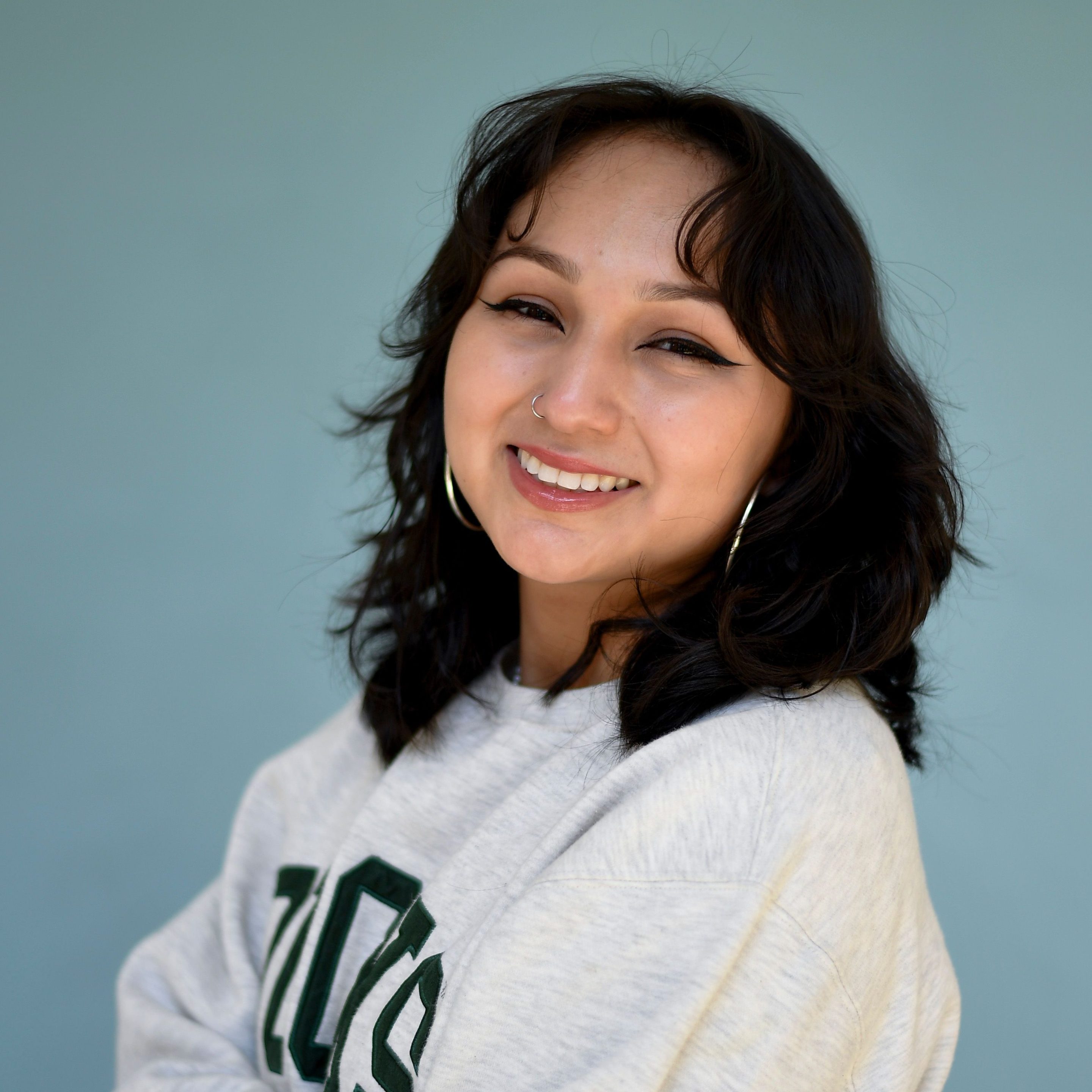
“By its verdict, the jury held the LAPD accountable for its violence, its lies contradicted by body-worn video, and for its rubber stamp of approval that repeatedly ratified the violence,” said Jacqueline Gil, another one of Vera’s attorneys, a few hours after the verdict was announced. The other two officers were not named as defendants in the lawsuit because Vera’s attorneys “didn’t have their names at the time,” Gil explained.
It’s unclear if Alvarez or the other officers involved in the attack against Vera faced any disciplinary actions as a result (an LAPD spokesperson did not respond to a request for comment before publishing). According to LAPD records, LAPD Officer Joenador Nepomuceno left the department in September 2023. But Officer Coffey was still assigned to the Mounted Unit as of November of last year, and Officer Alvarez was seen dispersing crowds during a recent protest.
In late March, Alvarez was captured in a viral video recorded by L.A. TACO’s head of investigations that has been viewed over 7 million times, knocking down a protester with his horse, after the protester appeared to have just been shot multiple times at close range with “less-lethal” paintball munitions and was walking away from officers.
“The main reason [we] got the punitive damage award against [Alvarez] personally is to set an example,” Alexander explained. “According to the hierarchy, higher-ups inside the department looked at the [Vera] video and decided, ‘Oh yeah, this is fine, this is within policy,’ and if you look closely at this video, it was not within policy. So, that means that officers are basically covering for other officers, even when they're higher up in the chain of command.”
Without the footage from Alvarez and the other officers’ body cameras, the city could spin “their own version of the facts,” Alexander believes.
“The bottom line is having the video and having it from multiple angles, from multiple officers, is what made it possible for us to tell the story,” Alexander said. “At least the video limits the versions of the story that the police can tell.”
Alexander didn’t downplay the success of this trial.
“It's better for the public that they know that this occurred, so that they know that that excessive force is being used by the police department,” Alexander said. “I think this outcome . . . certainly is significant, and I hope it does get them to use this force less often.”


