
Yesterday, the Los Angeles City Council voted to make it illegal to assemble, repair or sell bicycles in public spaces. The proposal is modeled after a similar ordinance in the City of Long Beach. Critics say that the new law will disproportionately impact Black and Brown unhoused residents.
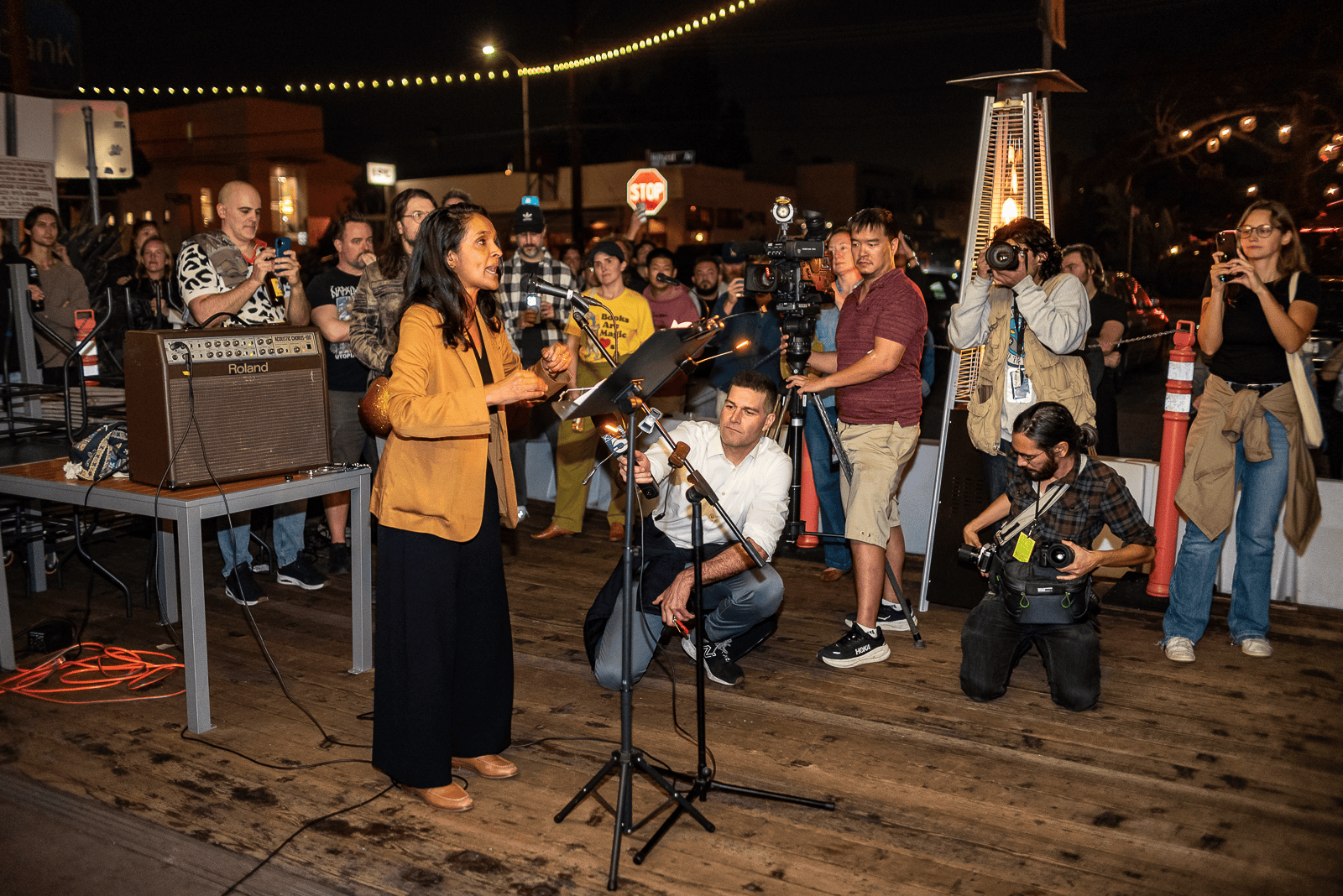
In response to the city crafting a law to ban outdoor bike shops, unhoused residents and community members joined together on the steps of city hall in DTLA to set up a free bike clinic. As people arrived from as far as the West Valley, community activists passed out bottles of water, cycling vests, and other bike-related supplies, while bike mechanics helped with repairs. Later, a few unhoused residents and community members shared their thoughts on the proposed ordinance, with members of the media and the Los Angeles bike community.
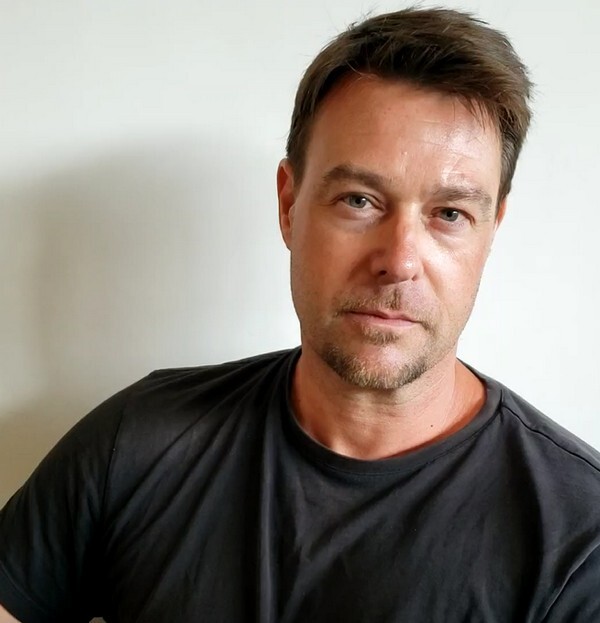
“If people in their houses think their bikes are getting stolen a lot, just imagine what is happening to the people on the street,” Ron from Hollywood said. Ron says a newfound interest in building bikes has made a tremendous impact on his life. “This has fed me, this has fed other people, this has helped sooo many people.”
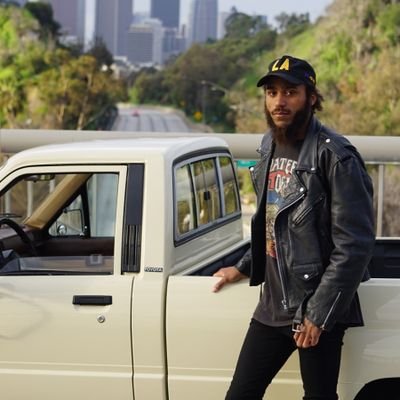
“I think I have, just on my own tip, the right to go out and work on a bike in a park,” said Kevin from Canoga Park, during the press conference. ”And if I have [something that someone needs] and I have it with me, I’m going to put it on his bike, plain and simple.”
Kevin’s been building bikes and motorcycles for 40 years. The Valley-raised mechanic says he works on bicycles for free because that’s what he loves to do and he enjoys helping people. Kevin brought his custom-designed chopper motorcycle-inspired bike with him. It’s a crowd-pleaser. “Everywhere I go people wave, it’s a good thing. I love the energy that this bike brings,” said Kevin. “You’re going to take that away from me?
Kevin once had a “complete shop” of tools in the Valley until he moved into a temporary shelter and city workers disposed of almost everything he owned in his absence. “They eradicated me,” said Kevin. Now he’s down to one small bag of tools.
The Unhoused Bare The Brunt of Bike Theft Issue in L.A.
City Councilmember Joe Buscaino first presented the motion to ban outdoor bike shops last year, in an effort to cut down on bike theft. “In my district and other parts of the city we’ve seen a proliferation of bicycle chop shops,” Buscaino said during a February city council meeting. “More often these bikes are stolen and quickly disassembled and sold for parts.”
More than 2,000 bikes are typically reported stolen each year and many more thefts likely go unreported. But roughly 96 percent of cases involving bike theft in recent years have gone unsolved, according to an analysis by The Times.
Four councilmembers—Nithya Raman, Mike Bonin and Marqueese Harris-Dawson and Curren Price—voted against the new ordinance. They argued that it doesn’t address the root problem and would disproportionately impact low-income POC.
In a statement to The Times, Councilmember Nithya Raman called the proposal “pure political theater — a way to look like the council is doing something to address the very real problem of bike theft, without actually addressing the problem.” The representative added that instead of focusing on criminalizing street vendors and unhoused people, the city could fund resources like bike lockers and other solutions to counter theft.
Kath Rogers, an attorney with the American Civil Liberties Union (ACLU), said that the new ordinance raised “serious legal concerns,” in a statement to the city council. Rogers argues the policy will “reinforce police bias against bicycle riders of color,” citing an L.A. Times investigation that found 70 percent of bike stops by LA Sheriff’s deputies involves Latinos.
She called the proposed ordinance “vague in scope” and believes it conflicts with a state law legalizing street vending. Rogers and other critics of the ordinance predict that it will expose legitimate bicycle vendors and mechanics to harassment. “Any ambiguities in the law will be left to the judgment of officers on the beat.”
The draft ordinance will head to Mayor Eric Garcetti’s desk next and if approved will go into effect 30 days later.