A new law legally mandating how corn tortillas can be made, despite a 12,000 year tradition of making them with just corn, water, and lime, just went into effect in California on January 1st, 2026.
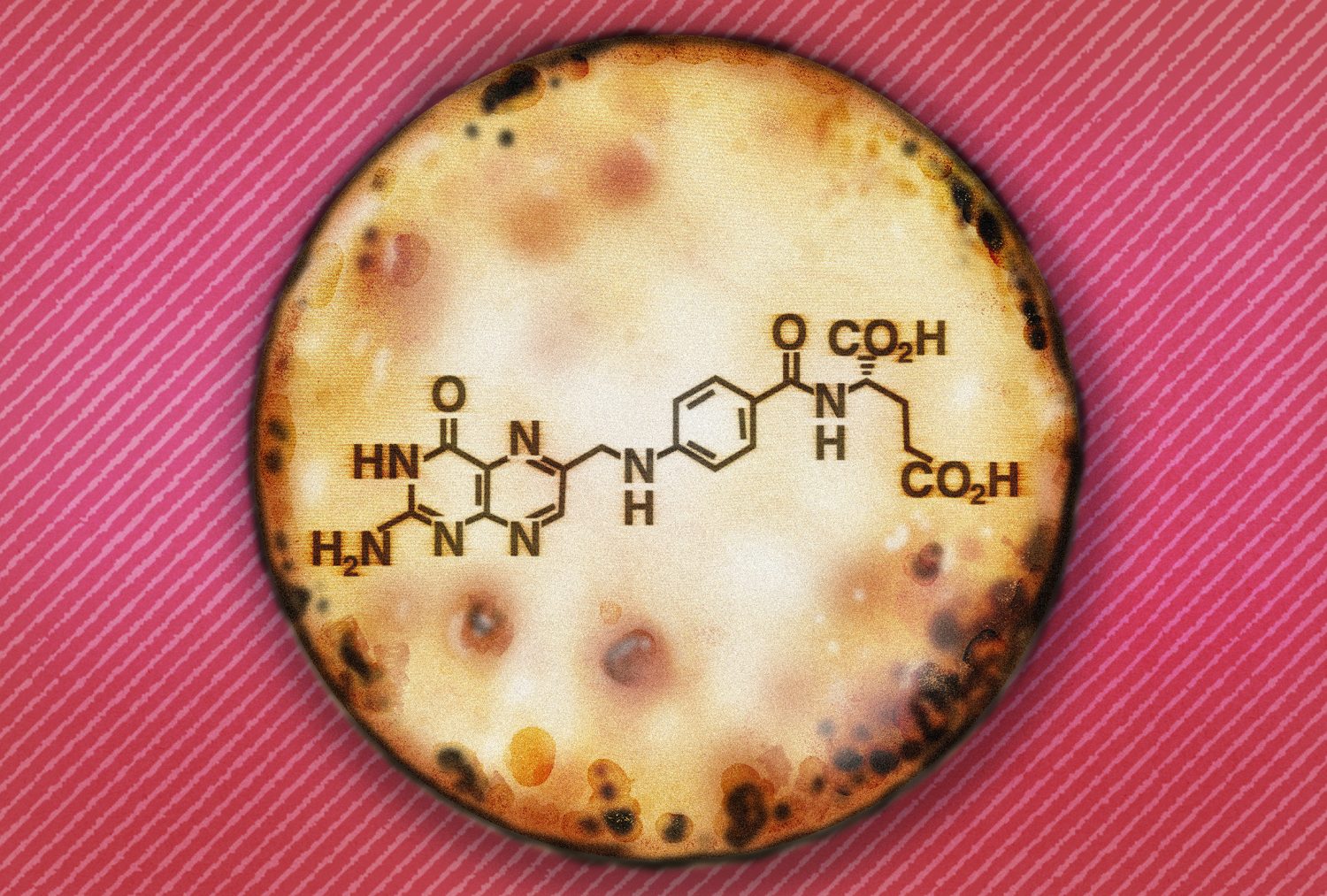
AB 1830, sponsored by physician-turned-Fresno Assembly Member Joaquin Arambula, makes it mandatory to add 0.7 milligrams per pound of masa, which must be declared on nutrition labels.
The bill states that this government-enforced addition of the synthetic version of vitamin B9 onto the lifeblood of Mexican cuisine is to prevent birth defects among Latina women.
The bill's "Findings and Declarations" section includes statements asserting a "disproportionately higher risk" and "higher rate of NTDs [neural tube defects] in Latino communities," but these are presented without supporting evidence, numbers, or references. “The higher rate of (neural tube defects) in Latino communities is a symptom in the broader disease of health inequity,” the California bill reads.
Folic acid, in its synthetic form, is part of the top 80% of synthetic vitamins produced by China, according to a 2025 S&P Global report on the vitamins industry.
Advocates celebrate the bill as a win in fortified food equality since the initial push to put more folic acid in foods began in 1998, when the U.S. Food and Drug Administration issued a mandate to include the supplement in enriched grain products such as bread, cereal, and pasta, which did result in neural tube defects plummeting by 30% to 40% nationwide based on CDC records. But that order did not include corn masa—until now.
However, there are loopholes and exceptions to the new law, especially for craft molino owners and tortilla companies who work with only 100% nixtamal, in addition to other exemptions. In short, it only applies to cheaper corn tortillas made with corn tortilla flour, colloquially named “masa harina” in Spanish and made famous by brands like Maseca. This law also exempts flour tortillas.
Maiz Criollo Doesn’t Need Any Added Vitamins
The new law took Fátima Juárez—owner of L.A.'s newest craft molino, Komal L.A., and a new mother—by surprise. The stand inside Mercado La Paloma was named one of the best new restaurants last year by Bon Appétit and home to the best taco in L.A., according to L.A. TACO’s own 69 best tacos of 2025 list.
“As someone who was recently pregnant and taking vitamins, I remember the flavor of artificial folic acid being very bitter,” Juárez tells L.A. TACO. “I also remember having a negative reaction—stomach aches and increased nausea—until I switched to an organic brand.”
“It definitely affects flavor,” she adds.
This acrid flavor is what Gustavo Arellano, creator of KCRW’s Tortilla Tournament, also picked up in a blind taste test.
“The second one [with folic acid] had a subtle taste of . . . something. It lingered longer on the palate than an old school tortilla, and turned too rubbery in my mouth. The difference was obvious—it contained folic acid,” he wrote in his weekly column in L.A. Times in May last year.
Juárez was initially confused and had to do her own research to find out that she was exempt from this new law as someone who works exclusively (and passionately) with 100% heirloom corn nixtamal.
Still, she understands the need for adding artificially-made vitamins and minerals to masa harina-based tortillas as a preventative measure. Tortillas made with Maseca and other highly processed instant corn flours use genetically modified corn that are known to be stripped of their natural nutrients for higher yield and pest resistance.
“This law is primarily for maíz transgenicos (GMO corn), which have higher sugar, pesticides, and are subject to more processing. The majority of masa and maíz that we see in L.A. and the U.S. are that,” Juarez says.
She says that she’s recently tried to eat less tacos made on the streets of L.A. in order to avoid eating GMO corn.
“As artisans using 100% maíz criollo, we are exempt from this law. We intentionally source pure limestone, sourced transparently from Puebla, as well. And let’s not forget that the pericarp in heirloom corn is full of calcium and more vitamins and minerals, naturally,” she says.
The Tortilería CEO and Senator That Saved Traditional Corn Tortillas From Government Overreach
Enrique Rodriguez, CEO of La Princesita Tortillería, first found out about Arambula’s bill when it was drafted during the 2023-2024 Regular Session last March.
He supported the goal of helping Latina women against health disparities, but he found the first draft to be “ambiguous and overbroad.”
He remembers the bill, as amended in May 2024, included all tortillas, even those made by small producers using 100% nixtamal. He immediately drafted an opposition letter to the senate health committee, which resulted in the committee’s hearing being postponed.
La Princesita, founded in 1972 by Francisco Ramirez, an immigrant from Cuernavaca, Mexico, on the border of East Los Angeles and Boyle Heights, is one of L.A.’s largest manufacturers of tortillas and supplies “several hundred restaurants” he tells L.A. TACO, including some of the biggest players in L.A.'s taco universe such as Holbox, Guelaguetza, Chulita, Ramona’s Mexican Food, and Anajak Thai.
“Sometimes we don’t even know where our tortillas end up because they are sold through distribution companies,” he says.
"The major impact wouldn’t have been in terms of flavor, it would have had a severe impact on our cultural identity by altering the ancestral practices used that define our product." - Enrique Rodriguez, CEO of La Princesita Tortillería.
Thanks to the power of Rodriguez’s letter, which tabled the bill, he had time to have a discussion about his concerns with 26th District Senator Maria Elena Durazo, who heard him out. They both worked together to create multiple exemptions to the law to accommodate small tortillerías that work with nixtamal as well as restaurants that nixtamalize their own masa.
“In the early versions of the bill, there was no distinction between tortillas made with nixtamal and corn flour,” Rodriguez says. “The major impact wouldn’t have been in terms of flavor, it would have had a severe impact on our cultural identity by altering the ancestral practices used that define our product."
He credits Durazo for “singlehandedly saving traditional tortilla making in California.”
Rodriguez now has become an unofficial hotline for his tortilla producer peers across California, getting texts and messages from his competitors seeking guidance. As Rodriguez sees it, the greater good is keeping traditional tortilla making alive in California, so he responds clearing up the new law to those who are confused.
La Princesita Tortillería as a manufacturer is largely exempt from the bill for several reasons.
First, they primarily manufacture wet masa products where folic acid fortification isn’t mandatory. Additionally, they are predominantly a supplier to food facilities, which are categorically exempt from the folic acid fortification requirements of the bill.
The Maiz Criollo Resistance Continues
The news of California’s tortilla politicization is making its way down south to the birthplace of corn: Mexico.
Oscar Segundo, chef and co-owner of Xokol in Guadalajara (considered to be the first craft molino in the world upon opening eight years ago), comes from a corn-growing family in Pueblo Mazahua in the state of Mexico. He says California’s local government trying to force tortilla producers to add vitamins is “colonizing all over again.”
“So you strip away nutrients from corn via using GMO corn and then you are told you need to add back on synthetic versions of nutrients? This all reveals a colonial mindset,” he tells L.A. TACO. “It’s like when the Spanish came and took away Indigenous Mexico Gods and told us to worship saints instead.”
Mexico is no stranger to the politicization of corn tortillas. The country established a law in January 2025 stating that Mexican farmers weren’t allowed to grow GMO corn on Mexican soil. But it was also filled with loopholes, allowing the import of cheap and mass-produced, U.S.-grown GMO to make corn flour tortillas and to feed cattle in Mexico.
That flooding of cheap, U.S.-grown GMO corn resulted in Mexican farmers protesting and shutting down highways across Mexico, demanding fair prices for their non-GMO corn.
“At the end of the day, tortillas are technical and precise, yet they’re ritualistic and an everyday food as well,” says Segundo. “Nixtamalizing activates nutrients if you’re using heirloom corn, so there’s no need to have to add synthetic nutrients.”
Back in L.A, Gusto Bread owner Arturo Enciso was initially confused and worried about the new law, as he and his partner, Ana Salatino, are getting ready to open a new craft molino in Downtown Long Beach this year.
“Requiring folic acid as a mandatory additive for tortilla manufacturers is unfortunate and represents a step backward,” he tells L.A. TACO. “It is my hope that California recognizes this as a significant mistake.”
“As a state, we should serve as custodians of this ancestral staple food, rather than influencing it with synthetic, man-made folate,” he adds.
Rick Ortega is the co-owner of Kernel of Truth Organics, L.A.’s first solely organic tortilla producer, who supplies some of L.A.’s best taquerías like Villa’s Tacos and A Tí. He summed it up best for us when saying:
“It’s synthesized to mimic folate vitamin b9 found in leafy greens. How about we just eat our greens and leaf our tortillas alone? Corn, water, and cal! Puro nixtamal!”
“Excuse the corniness.”