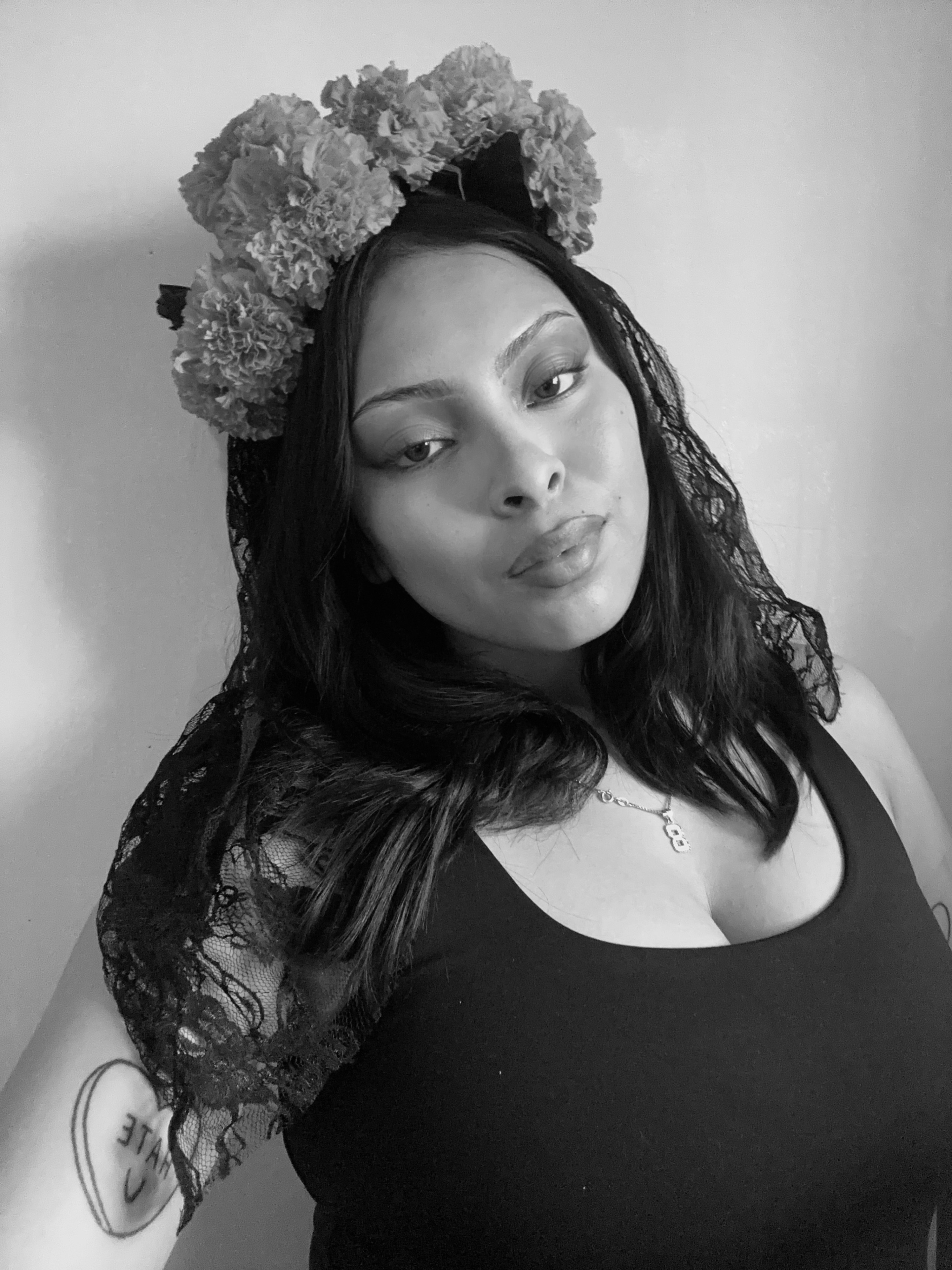
“I sit in my room hoping you’ll get home soon…”
I’ve always imagined all my ancestors and loved ones wouldn’t come back for Dia de Los Muertos unless I played “Come Home Soon” by the Intruders. Something about those lyrics had me blasting this song every year while decorating my altar, since I was seven.
It’s been years since I attended my first funeral and I’ve always felt like I was destined to grieve my entire life. I have never been scared of death, having been taught that it was something beautiful, because it teaches you how to live.
Death isn’t supposed to be scary. It’s around us all the time. Death serves its purpose by reminding us of how fragile life is.Growing up in a very indigenous household meant that I prayed and learned about my ancestors. So death was an important part of our relationship with them.
The relationship I had with both life and death was key to understanding the importance of living.
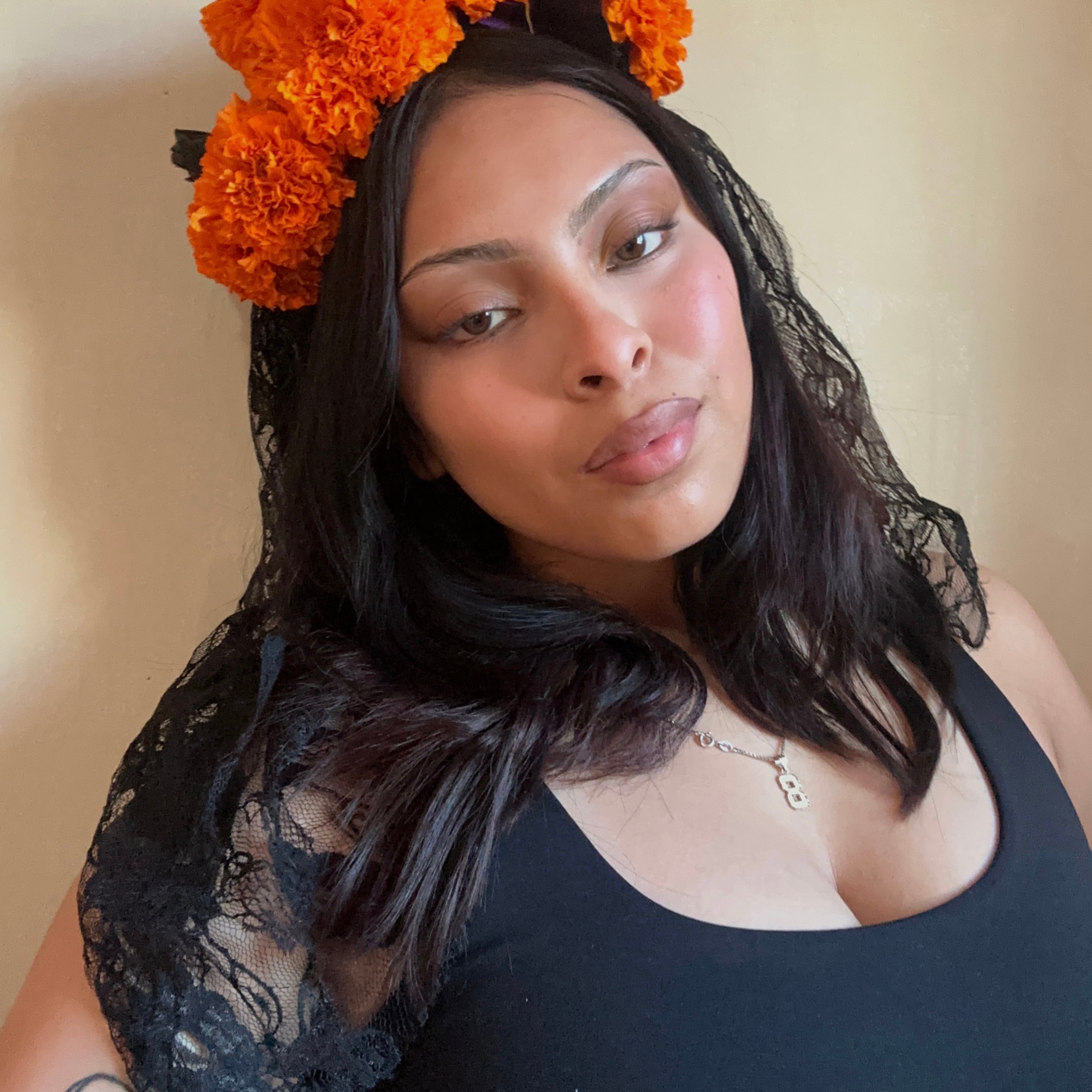
The “Day of the Dead” has always been my favorite holiday. All the older women in my East L.A. neighborhood would invite me to see their altars, where I’d see the familiar faces of kids who died due to gang violence in my neighborhood. The entire block had paths of marigolds leading into their homes.
My altar growing up was beautifully decorated with marigolds, too, as well as bread and small mountains of photographs and dishes for the dead. I crafted it every year with my mom until the year she was added onto it. Death was as common to me as a cold or a flu.
Dia de los Muertos is the one time of the year where I am allowed to grieve in public and reminisce about the life I once had with her and so many others. I am allowed to grieve over my past life, and my past self, since I died with all of the departed too.
Grief is never ending, because neither is death. Fortunately, so is love. The love we feel for those we’ve lost and the love we feel for those still with us.
Dia de los Muertos is more than “Mexican Halloween.” It is a day of remembrance and love. It’s about the legacies people in your life have left behind. It’s about feeling like you are back home again, all together under one roof. When the winter holidays arrive, the emptiness of one chair will be very obvious. Only on this day, that chair will be taken.
Dia de los Muertos has been so vital in my life. I credit death for shaping me and my creative direction. It gets harder every year, adding more and more people to our altars. But the effort doesn’t fill me with fear of the inevitable. It simply makes me ever more eager to live a life full of happiness and hope.