
The first thing I noticed wasn't the dancing.
It was the drums.
The steady rhythm echoed across Cal State LA's campus long before I reached the center of the university's first Indigenous Powwow, presented by the United American Indian Involvement, Inc. (UAII).
Families unfolded lawn chairs beneath the summer sun. Children chased each other between vendor booths. The smell of fry bread drifted through the crowd while dancers in colorful regalia prepared for the Grand Entry, the ceremonial procession that officially opens a powwow.
While many first-time visitors arrive expecting stunning cultural performances, the powwow quickly reveals itself as something even deeper. It is a community gathering where Native families celebrate, remember, and continue traditions that have endured generations of displacement and hardship.
Every booth, every piece of jewelry, every item of clothing, and every plate of food carried a story.
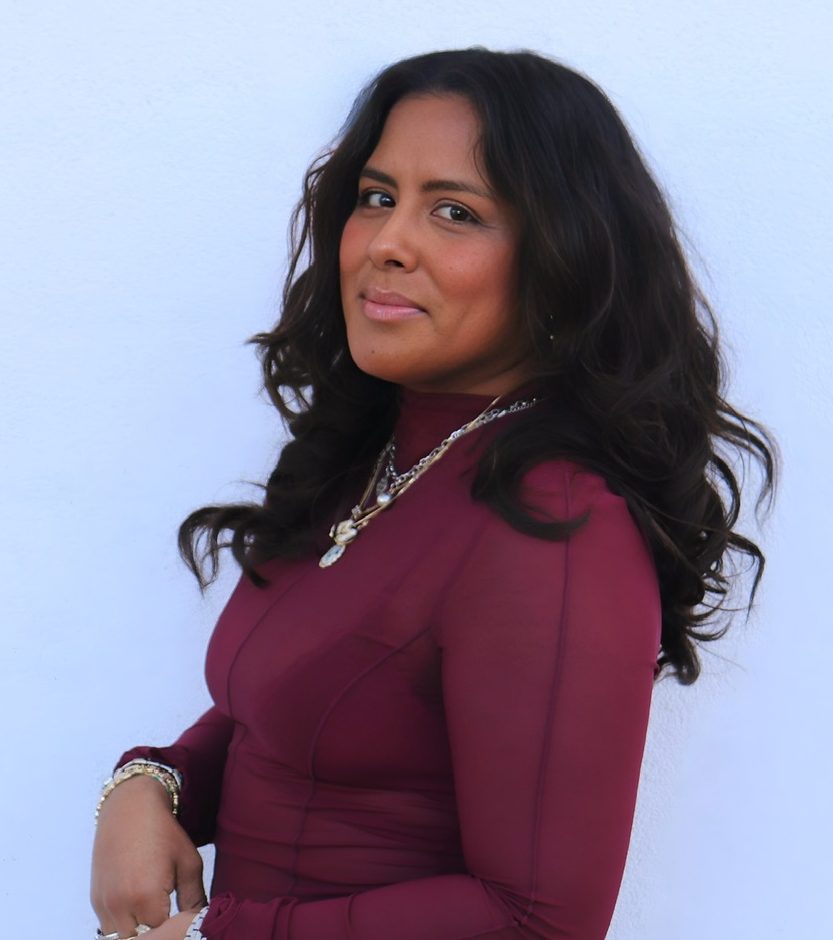
For artist Soledad Gamez, those stories are stitched into every bead.
"My culture is represented in my artwork," she tells me while standing beside her colorful display of beadwork and paintings. Some of her work incorporates symbols representing “Missing and Murdered Indigenous Women” and the “Every Child Matters” movement.
"I think people don't know what these things mean," Gamez says. "This is how we are able to educate other people that don't know what our struggles are. We just open them so they can have a better understanding of us and why we sometimes are a little extra in how we talk because it's coming from pain and trauma."
Her work wasn't simply decorative. Every pair of earrings and every painted piece served as an invitation to learn about Indigenous resilience, grief, and survival.
That idea that art can educate as much as it can inspire became a theme throughout the afternoon.
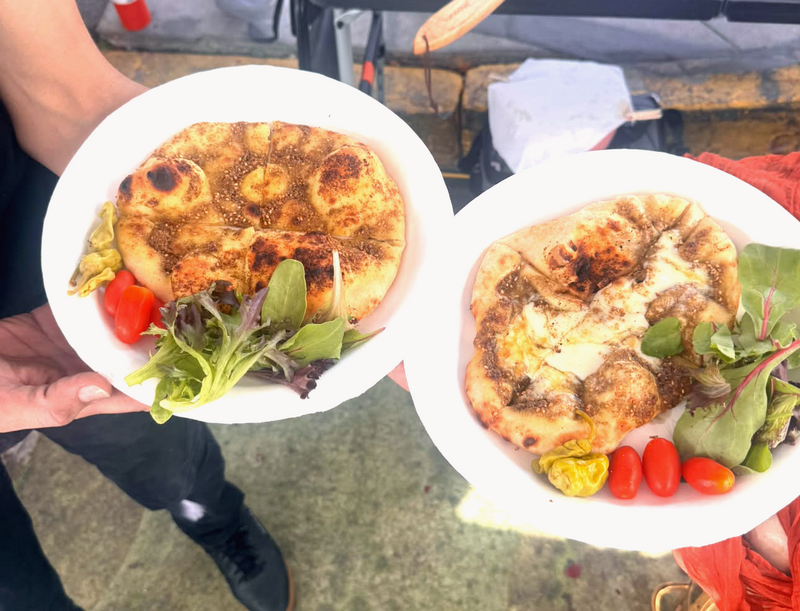
A few booths away, Samuel Yellow Horse Jensen was serving long lines of customers from Yellow Horse Fryberry Indian Tacos. While many people know fry bread as comfort food, Jensen explained that its history is deeply tied to survival.
Originally from the Navajo Nation in Arizona, Jensen described fry bread as a reminder of the Long Walk, when the U.S. government forcibly removed thousands of Diné people from their homeland.
"All we had was lard and flour and water," he says. "We made our bread and survived on that. It's all survival."
What has become a beloved staple at powwows today began under tragic circumstances. Fry bread carries a history of survival that is often absent from conversations about the food itself.
Despite that painful history, Jensen's reason for returning to powwows each year is remarkably simple.
"I just love to feed the people," he says. "Feed the people is my motto . . . it's mainly just to feed the people as I get my blessing."
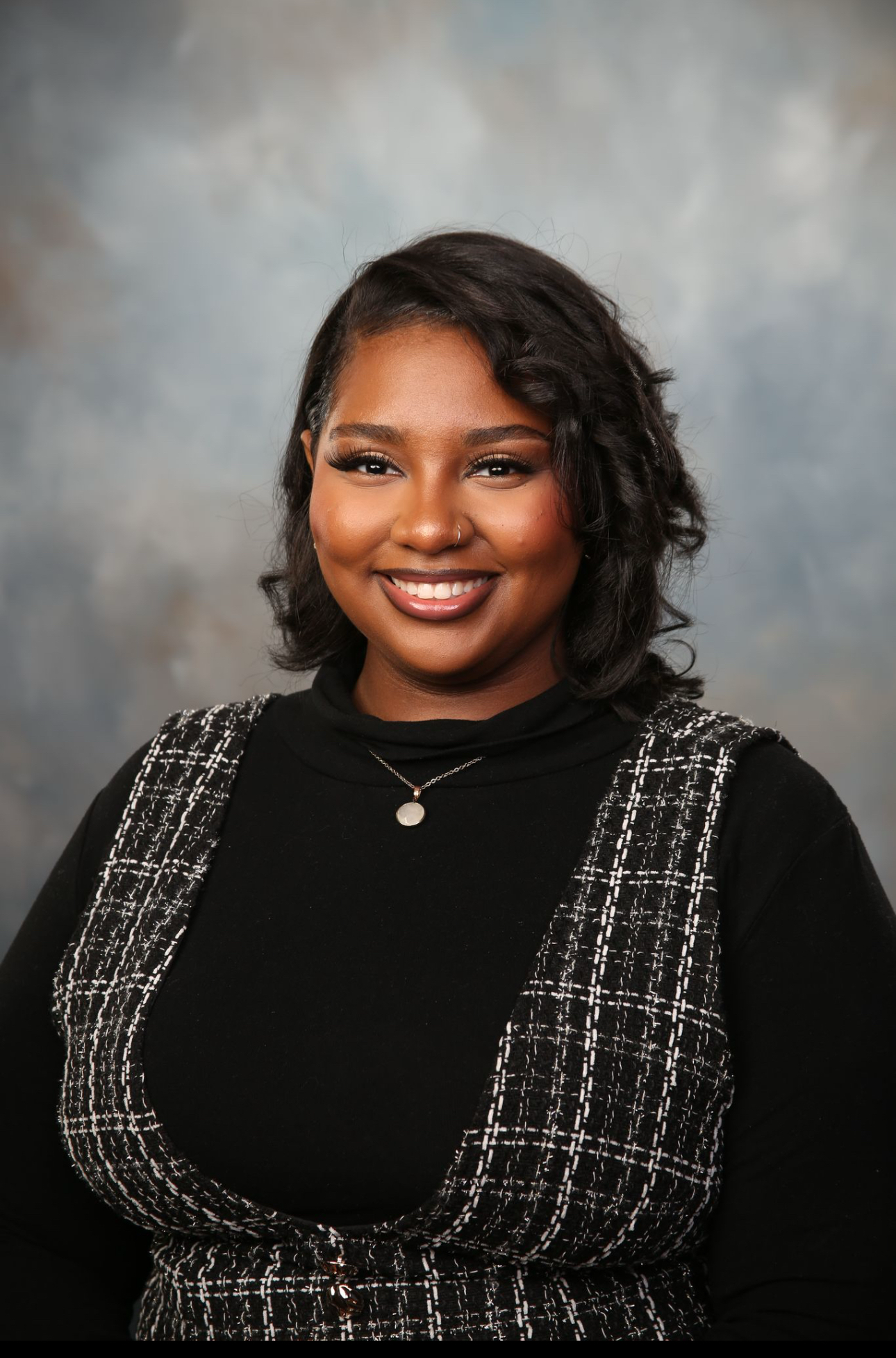
Nearby, Sandra Hale was continuing a family tradition that began with her mother.
Hale, who is Navajo and has lived in Los Angeles County her entire life, explains that her parents relocated to Southern California and met while attending Sherman Indian High School. After her mother passed away in 2016, Hale and her siblings decided to continue operating the family's fry bread booth together.
"My mom, she's been making fry bread forever since I can remember," Hale says.
Today, Lucy Hale’s Indian Tacos & Frybread has become a family affair involving siblings, relatives, and close friends.
As she describes their signature fry bread, golden on the outside, soft on the inside, it became clear that what they were preserving wasn't simply a recipe.
It is a memory.
"People always ask what's the difference," Hale says. "The bread is what makes it."
Her family’s fry bread recipe has become an heirloom, passed down much like photographs or family stories are.
Across the vendor area, Jose Bear Gallegos, owner of Bear Classics, displayed cases filled with vintage Native jewelry unlike anything I'd seen before.
He specializes in authentic Indigenous jewelry pieces that are at least 50 years old, with many handcrafted rings, bracelets, and necklaces dating back more than a century.
"What you hardly ever see is what I like to deal with," he says.
As he carefully picked up turquoise rings and silver bracelets, Bear Gallegos emphasizes that it’s less about selling jewelry and more about protecting Indigenous artistry from imitation.
"A lot of our work is being copied," he explains. Cheap replicas manufactured overseas often imitate Native designs, making it difficult for buyers to recognize authentic craftsmanship.
"It's robbing from our culture," he says. "It's robbing from our artists."
For Bear Gallegos, every authentic piece carries the legacy of the person who created it.
"I don't have to sell it to you," he says with a smile. "It has to call you."
If someone purchases one of his century-old rings, he hopes they'll understand they're buying much more than an accessory.
"I'm selling you the heritage of the creator of the piece," he says. "The culture, the traditions that go with it. That's what I want you to take away."
That commitment to preserving Indigenous craftsmanship echoed throughout the powwow.
The dancing and music may be the first things visitors notice when entering the powwow, but the food, jewelry, and artwork are just as central, each preserving generations of history and cultural knowledge.
Throughout the day, elders greeted old friends, children danced alongside experienced performers, and visitors respectfully asked questions about traditions they were encountering for the first time.
Every conversation underscored the same message: Indigenous culture is not a relic of the past but something that continues to be lived, shared, and protected.
Rather than asking visitors to leave as experts on Indigenous history, the UAII Powwow at Cal State LA offered something more meaningful: an invitation to listen.
Indigenous culture isn’t something confined to museums or history books. It’s alive in Los Angeles through artists persevering stories in beadwork, families passing recipes from one generation to the next, jewelers protecting centuries of craftsmanship, and community members gathering to celebrate who they are.
The university’s first Indigenous Powwow was more than a celebration. It created space for Native voices to share histories that have too often been overlooked, reminding visitors that the most meaningful way to honor those stories is to listen.