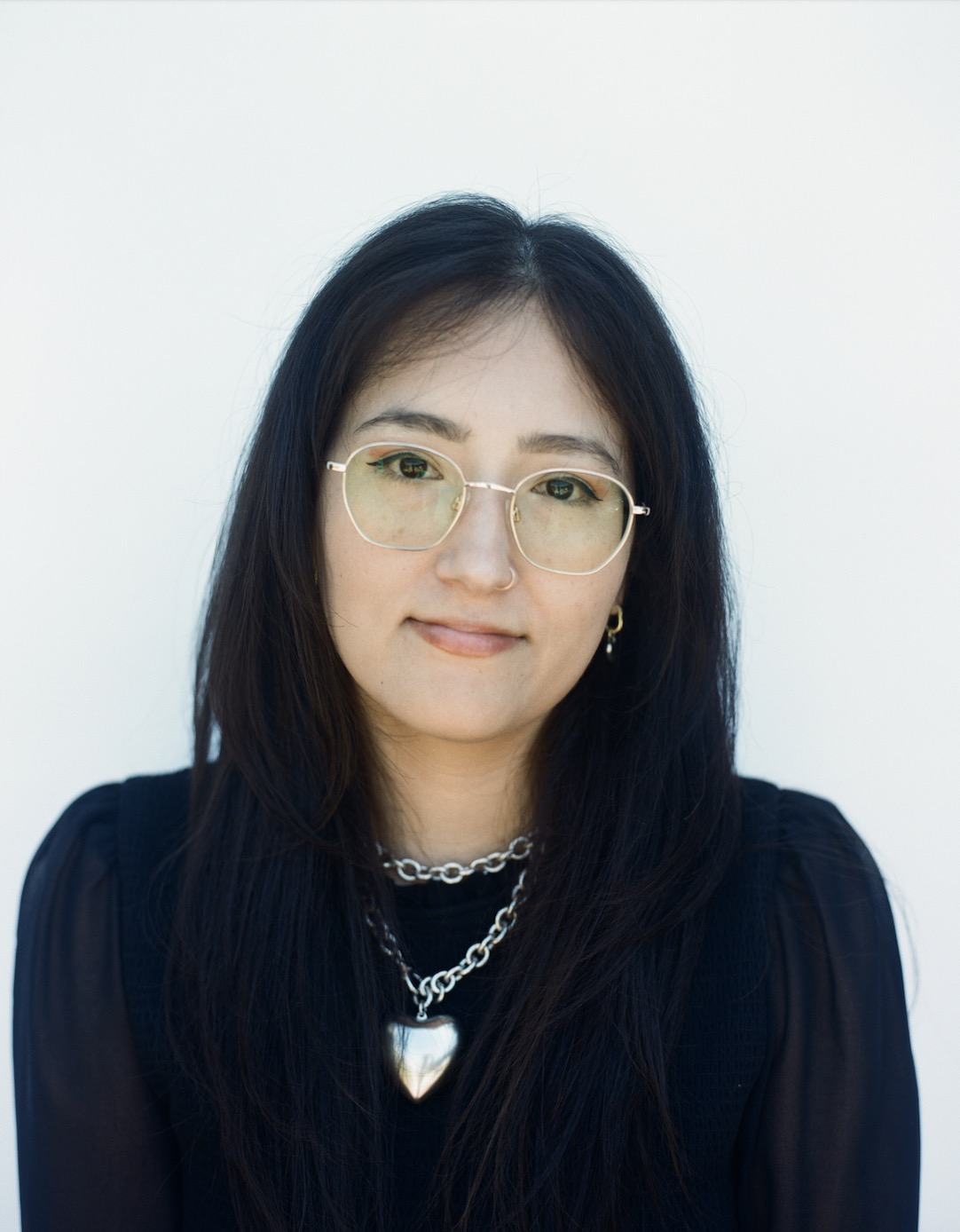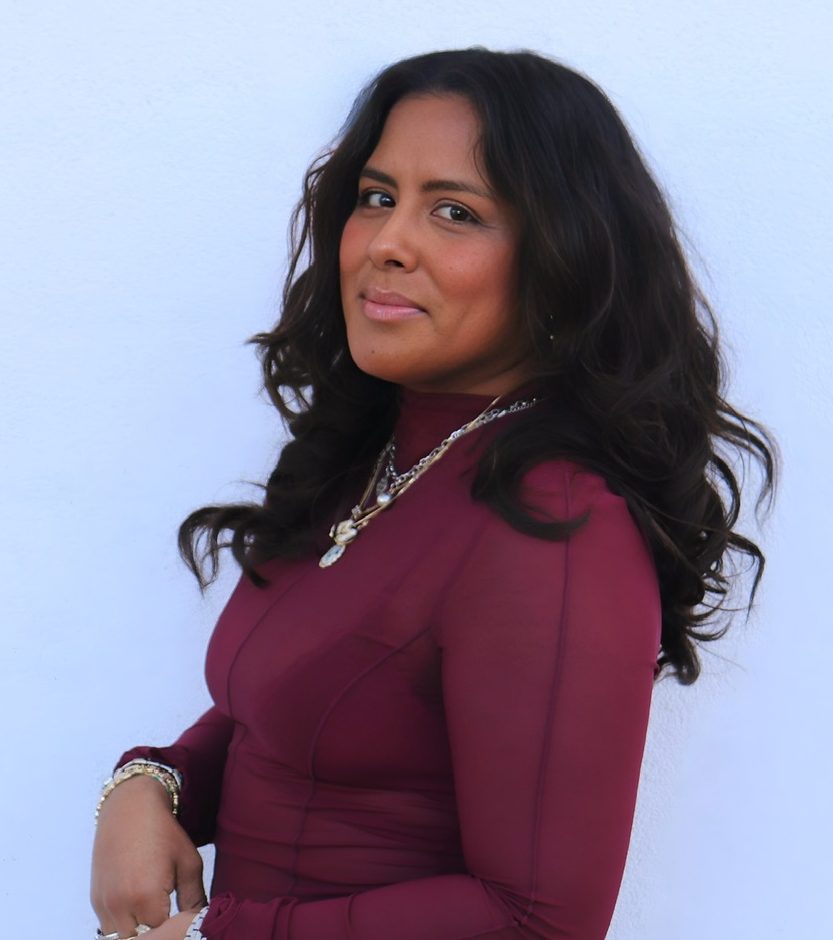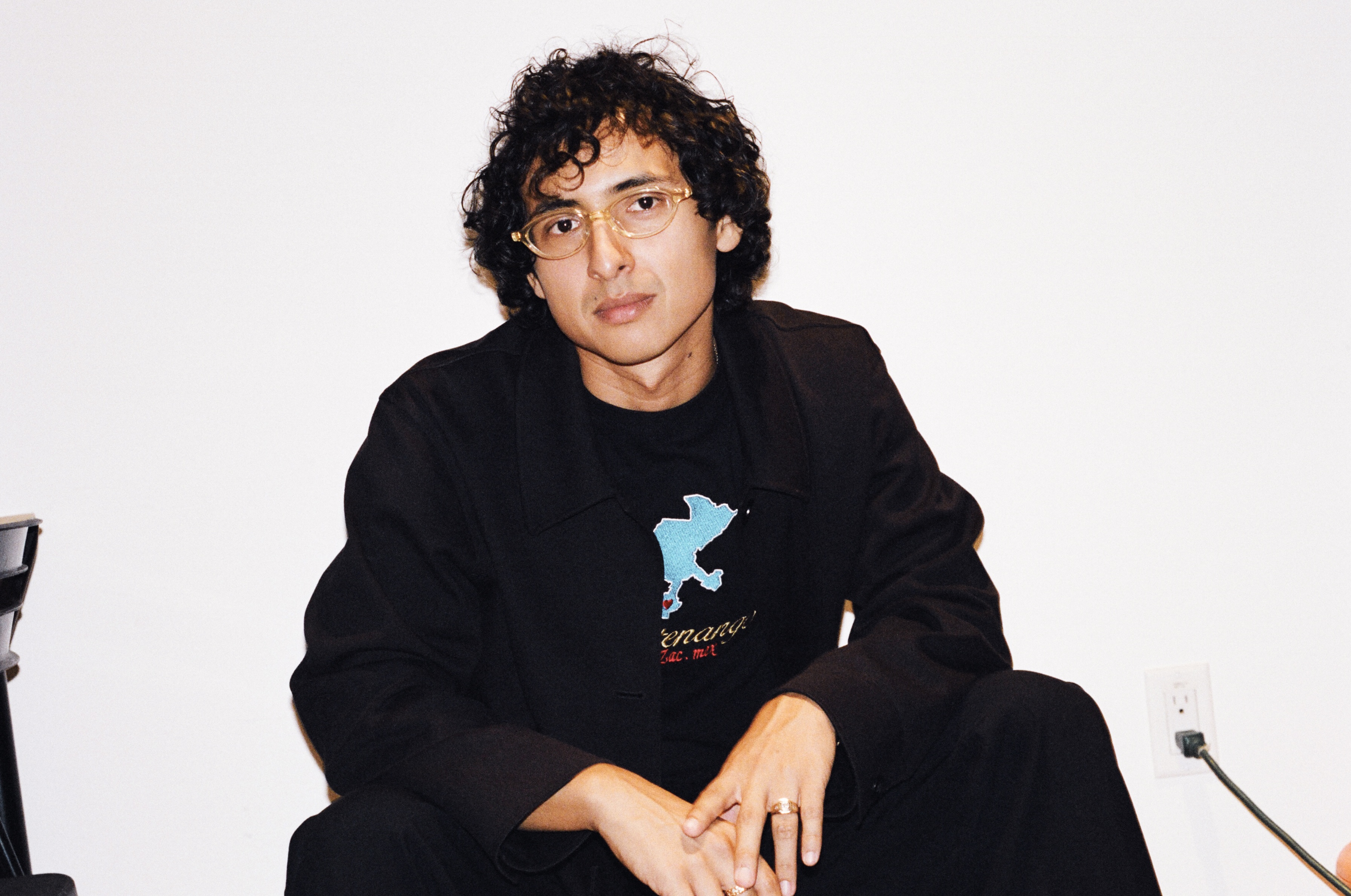
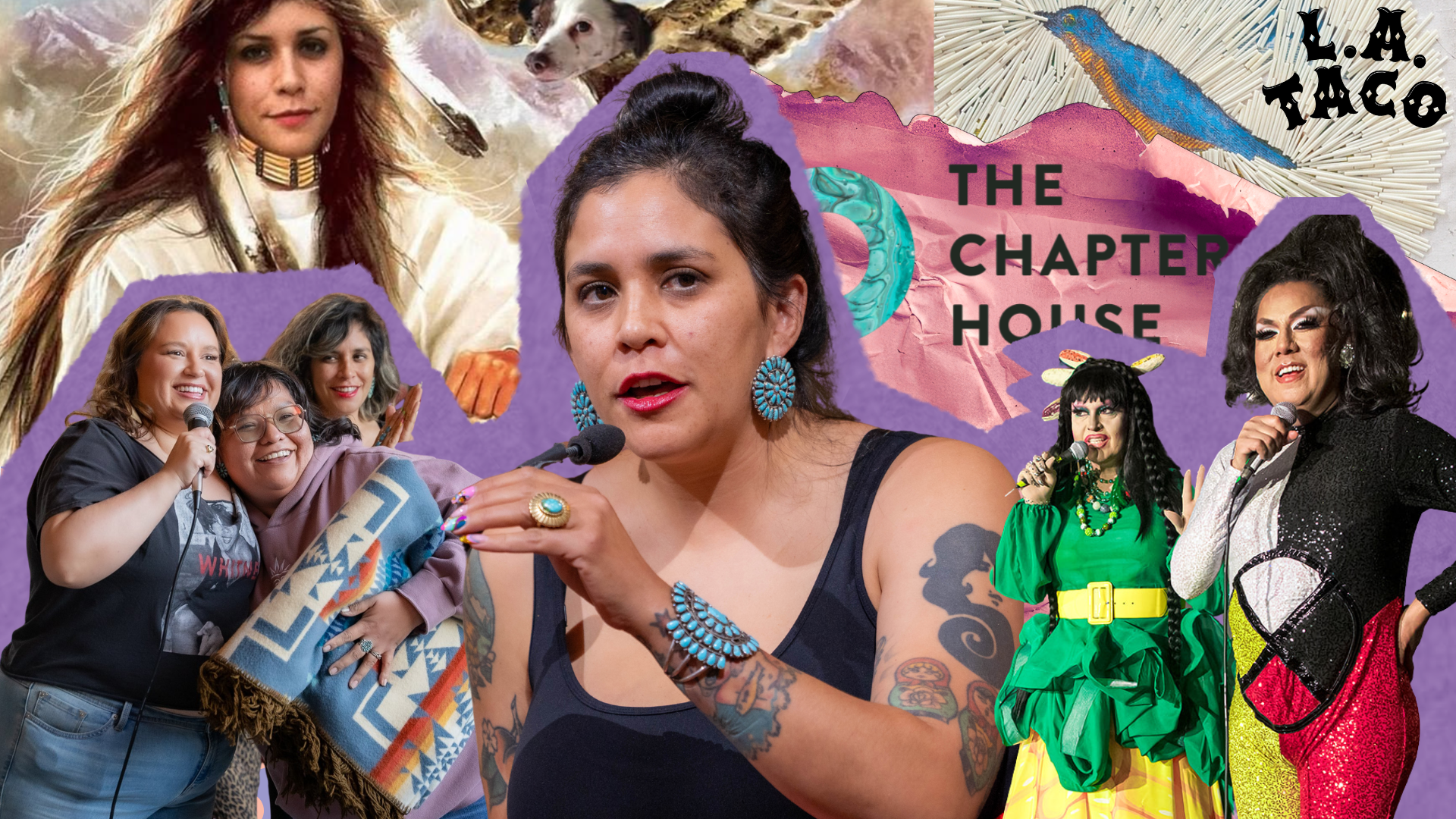
Emma Robbins, a Diné (Navajo) artist and activist, grew up in Tuba City, located in the western part of the Navajo Nation. In 2020, she founded The Chapter House (TCH) currently located in Echo Park, recently entering a full-time role as its executive director.
Robbins tells L.A. TACO that the organization’s name is an homage to the Chapter Houses found across the Navajo nation, community centers utilized for meetings between elected officials, conversations with residents, and cultural gatherings.
“I was always really fortunate to grow up in community with a lot of strong Navajo aunties, and I grew up going to Chapter House meetings,” Robbins says. “During the height of the pandemic and other tough moments across the reservation, people came together for things like mutual aid, vaccinations, and really just a physical location to care for one another.”
The Chapter House was partially born out of a necessity for joy; to offer the Indigenous folks in L.A. physical resources and the chance to connect with their community through activities like improv, family events, and celebrations of “Indigiqueerness.”
Robbins’ background as an environmental activist is heavily fueled by her advocacy for clean water within the Navajo Nation.
“30% of Navajos living there don't have access to clean running water or a flush toilet,” Robbins says. “I felt like just being able to come together and care for one another and experiencing moments of joy was just as important as the initiatives to care for people back home on the rez.”
Robbins and her colleagues got TCH off the ground in Echo Park during the start of the COVID-19 pandemic, arguably the toughest time for a brand-new non-profit to stay afloat. Now, they’re moving to a larger space, providing more room for its calendar of drag shows, art galleries, and family functions.
“What started out as like, ‘Hey, let's have an art space and some programming around,’ has quickly turned into a full community hub,” Robbins says.
One element of TCH’s deep connection to L.A. is their dedicated fundraising for local causes. Earlier this year, they auctioned their art as a way to fundraise for wildfire victims, raising over $14,000.
“I think community organizing is one of the deepest and oldest forms of being an Indigenous woman,” Robbins says. “I think about how my art relates to it, my studio practice, I make a ton of work about treaties, specifically missing and murdered Indigenous relatives.”
Robbins’ art specializes in textiles, sewing, and working with “pan-Indigenous” materials like quills and materials native to her own reservation.
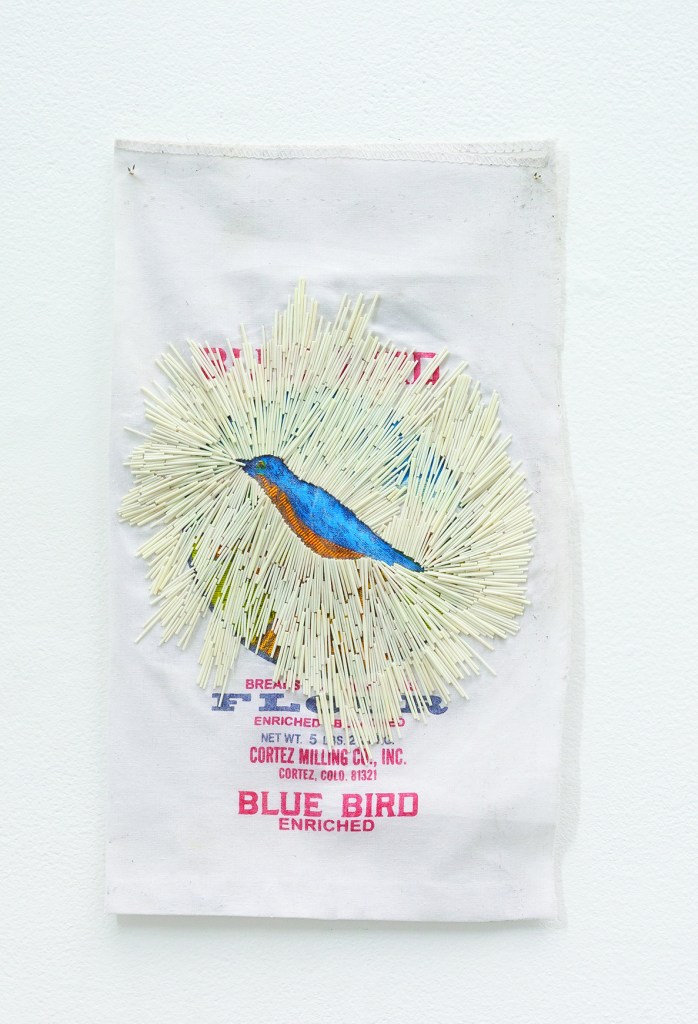
“With The Chapter House, it's like the same thing, where it's taking all these different elements of who we are as different Indigenous peoples, also as a Navajo woman myself, and then seeing the result of that is the final product that would have been like a replication of a treaty in the studio,” Robbins says.
The Chapter House’s members come from various Indigenous tribal backgrounds including Quechua, Nahuatl, and Lakota. Robbins grew up in the Navajo Nation, but later spent a substantial part of her life in Chicago with her Jewish relatives. There, she cared for her grandparents and entered the gallery scene.
“The Navajo Nation is the size of West Virginia,” Robbins says. “It's a huge, vast reservation. And so, if we were a country, we'd be the size of Ireland. If we were a state, we'd be the 10th largest.”
Robbins says that there was “a lot of shame around [being mixed while] growing up.”
Echo Park’s Chapter House offers Indigenous folks the opportunity to connect without the infighting that is sometimes present among marginalized communities.
“I'm not one of the people who has that mentality of us versus them, but I really didn't understand the vibrant comunidad indígena–for lack of a better way to say it–here, until I moved here,” Robbins says.
“I think that's something we run into a lot at The Chapter House, is folks who also have multicultural identities, and, you know, figuring out how to honor those but then also choose who we want to be,” Robbins says.
The Chapter House community is very L.A. in a sense: board vice president Jana Schmieding is a Lakota comedian and actress known for her performances in shows like “Reservation Dogs” and “Rutherford Falls.” Another board member, Joey Clift, is a Cowlitz, Emmy-nominated comedian who has written for shows like Nickelodeon’s “Paw Patrol” and PBS’s “Molly of Denali." The intersection between art, community, and culture is a hotspot for playful exploration at TCH.
“We had comedy shows because, you know, a large part of what many communities do is, ‘if you don't laugh, you'll cry,’” Robbins says.
Drag queens like Landa Lakes (Chickasaw) and Lady Shug (Diné) are familiar faces at The Chapter House, occasionally leading “Drag Story Hour” for parents and their little ones. This isn’t just a chance to share art and performance with children–it’s also a chance for young kids to hear their heritage language spoken somewhere besides their own homes.
TCH’s annual drag show, usually hosted in November, is slated for early 2026 at their new, not-yet-announced location.
“Especially during Native American Heritage Month, but really, all year-round, we should be talking about the power of Native femmes and Native women and Native girls, because I think we truly are the caregivers for our community,” Robbins says. “But we're also the leaders, and that's something that folks really need to understand is: behind all this work are Native women who are making it happen.”
Robbins is a mother of two, and her four-year-old daughter is a regular at The Chapter House, attending the majority of events while also learning about her Navajo heritage throughout the city.
The LA NDN Flea, TCH’s next big event, is happening on December 13 and will gather community members from both Indigenous and allied backgrounds together. This event will highlight art by Jeffrey Gibson, along with Indigenous food vendors and a custom board game designed by Gabrielino/Tongva educator Lazaro Arvizu Jr.
Whether it’s an on-site gallery at The Chapter House or a full day at the Broad, it’s pretty damn revolutionary for Indigenous artists to create their own opportunities for exposure.
After centuries of Native art not being taken as seriously as Gothic oil paintings or marble statues, the NDN Flea is one step towards ensuring that the many hours of work, strategy, and skill necessary for beaded artwork and weaving are celebrated as deserved.
LA NDN Flea ~ Saturday, Dec 13, 2025, 10 am—5 pm, East West Bank Plaza at The Broad, 221 S Grand Ave. Los Angeles, CA 90012