The smell of jerk chicken drifts through the afternoon air as strangers gather outside Wah Gwaan Jamaican Kitchen & Bar, a Black-owned restaurant in Leimert Park. Some clutch bottled water while others scroll through their phones, waiting for the next stop on Daisy Miles' Black L.A. Food Tours.
Then Miles, Black L.A. Food Tours' founder, steps forward and begins telling a story.
It’s not just about food. It’s about the people who built the neighborhood, the entrepreneurs fighting to stay open, and the Black Angelenos whose stories often go untold in a city that is constantly reinventing itself.
For Miles, every meal comes with a lesson.
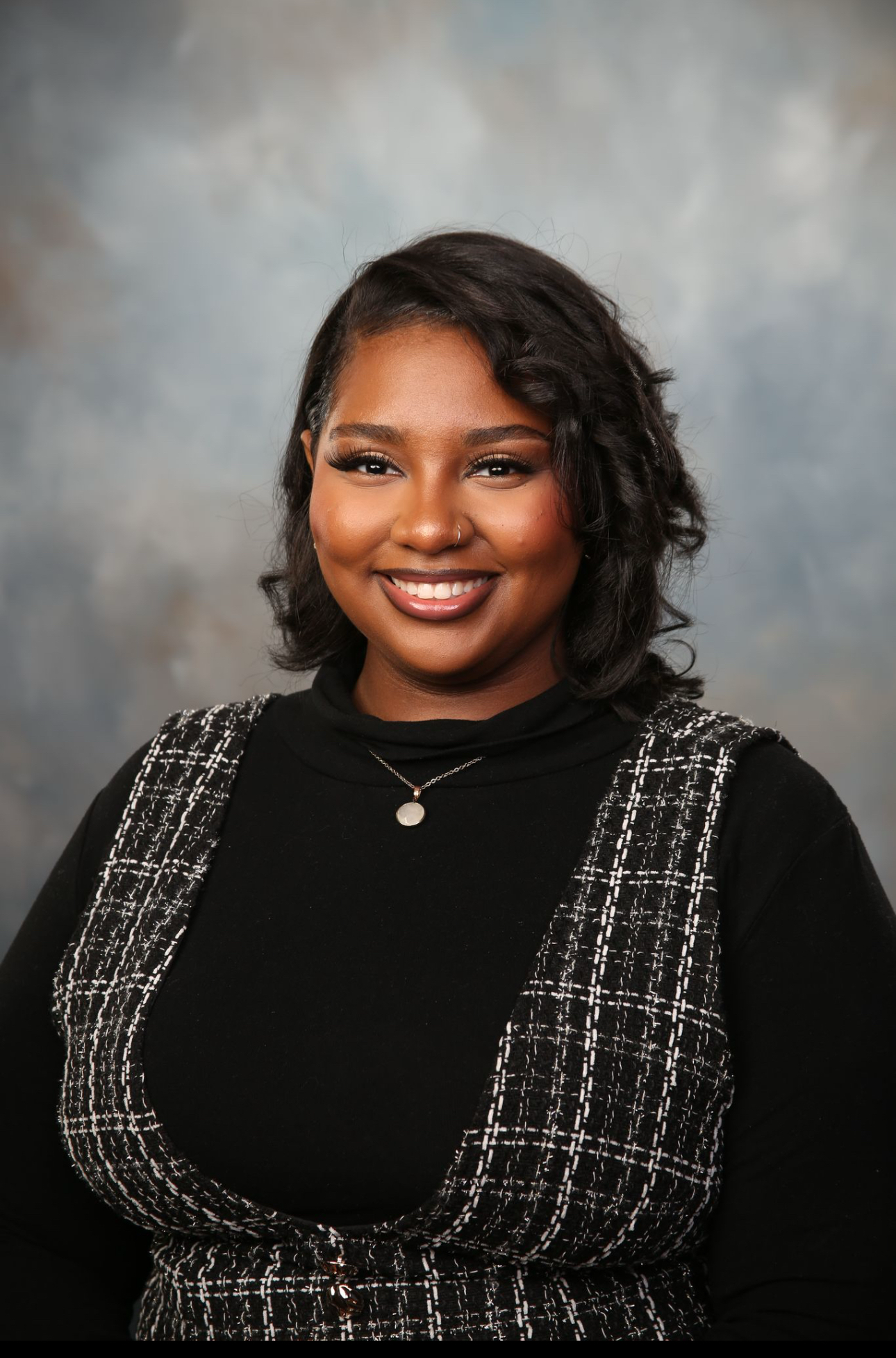
“Daisy Miles, born and raised, South Central Los Angeles,” she says, introducing herself during a recent interview with L.A. TACO.
What started as a Black History Month project quickly evolved into something larger: a moving classroom, a community gathering, and an economic lifeline for Black-owned restaurants navigating an increasingly difficult commercial landscape.
Miles’ connection to Black history began long before she launched her first tour.
“My major in undergrad was African American Studies, so I’ve always had, like, a thirst or desire for Black history, for Black communities,” Miles says. “And on TikTok everyday during Black History Month, I would cover an influential Black person.”
But eventually, social media no longer felt like enough.
“I want to do more than just talk,” she says. “So in ‘25 during Black History Month, I’m like, ‘I’m gonna do a food tour for Black History Month,’ and it kind of took off. It never stopped.”
The formula sounds simple: Gather guests, board a bus, and visit several Black-owned restaurants. But the experience unfolds as something much deeper.
Between bites, Miles shares stories about migration, entrepreneurship, neighborhood changes, and the cultural contributions of Black Angelenos. Guests learn about the communities around them while meeting restaurant owners face-to-face, creating connections that are increasingly rare in an era of delivery apps and social media recommendations.
The stakes feel especially high as Black-owned businesses continue disappearing across Los Angeles.
“Well, since starting in February of ‘25, at least a dozen restaurants that I patronized are no longer open,” Miles expresses. “So that reason alone, just to give them vision, give visuals on their business, to highlight their business is important to me.”
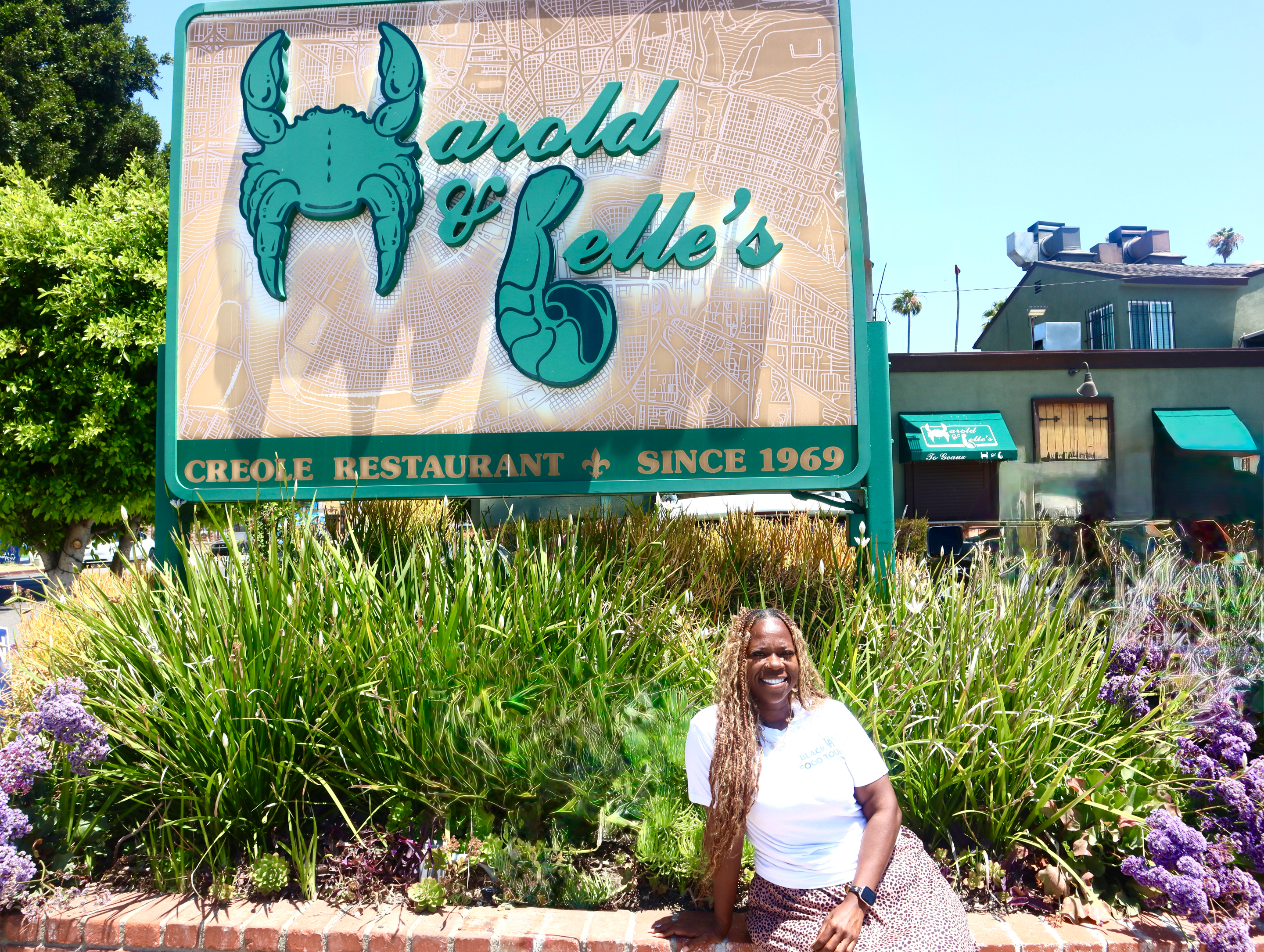
Her restaurant selections are intentional. Some tours focus on a specific cuisine like soul food, barbecue, or Caribbean. Others highlight a particular neighborhood such as Leimert Park, Long Beach, or Windsor Hills. The goal is always to create a cohesive experience while introducing guests to businesses she believes deserve attention.
“I consider proximity first with the restaurants, then the theme,” Miles explains. “If the theme is Caribbean, then it’s all Caribbean restaurants. If the theme is tacos, then we’re visiting taco restaurants.”
Being a lifelong Angeleno also shapes her choices.
“Not to mention, I’m an L.A. native, so most of these places I have gone to,” she says. “I love the food, I know the owners, and I want to introduce my guests to them.”
That personal connection has become increasingly important as Black neighborhoods across Los Angeles face rising costs, redevelopment, and cultural displacement. While conversations about gentrification often focus on housing, Miles sees restaurants as essential community anchors.
Food carries memory. Recipes preserve family histories. Restaurants become gathering places where culture is shared and sustained.
For Miles, supporting those spaces means showing up consistently, even when challenges arise.
“I have had some bad experiences, but my audience will never know,” she says. “I’m never gonna bash a Black business ever.”
Instead, she chooses to amplify businesses she believes in.
“The way I support them is by highlighting the ones I like, or the food items that I do like, by bringing guests to a struggling restaurant,” Miles says.
When she notices a restaurant facing difficulties despite serving quality food, she often adjusts her tour schedule to help generate business.
“If a restaurant is struggling, they have excellent customer service, and the food is good, I do about five tours a month. I will have them on at least three to four tours,” she says. “I want to give them more engagement.”
The impact may not always be obvious to outsiders, but Miles sees every reservation, social media post, and customer introduction as a form of advocacy.
When guests leave the Black L.A. Food Tours, they leave with more than full stomachs. Many leave with a list of restaurants they want to revisit, and also a greater understanding of the people behind the food and the communities that continue to shape Los Angeles.
For Miles, that’s the goal.
In a city where neighborhoods seemingly change overnight and beloved businesses disappear without warning, every tour becomes an act of preservation, a chance to celebrate Black culture, support local entrepreneurs, and ensure these stories remain part of Los Angeles’ future.