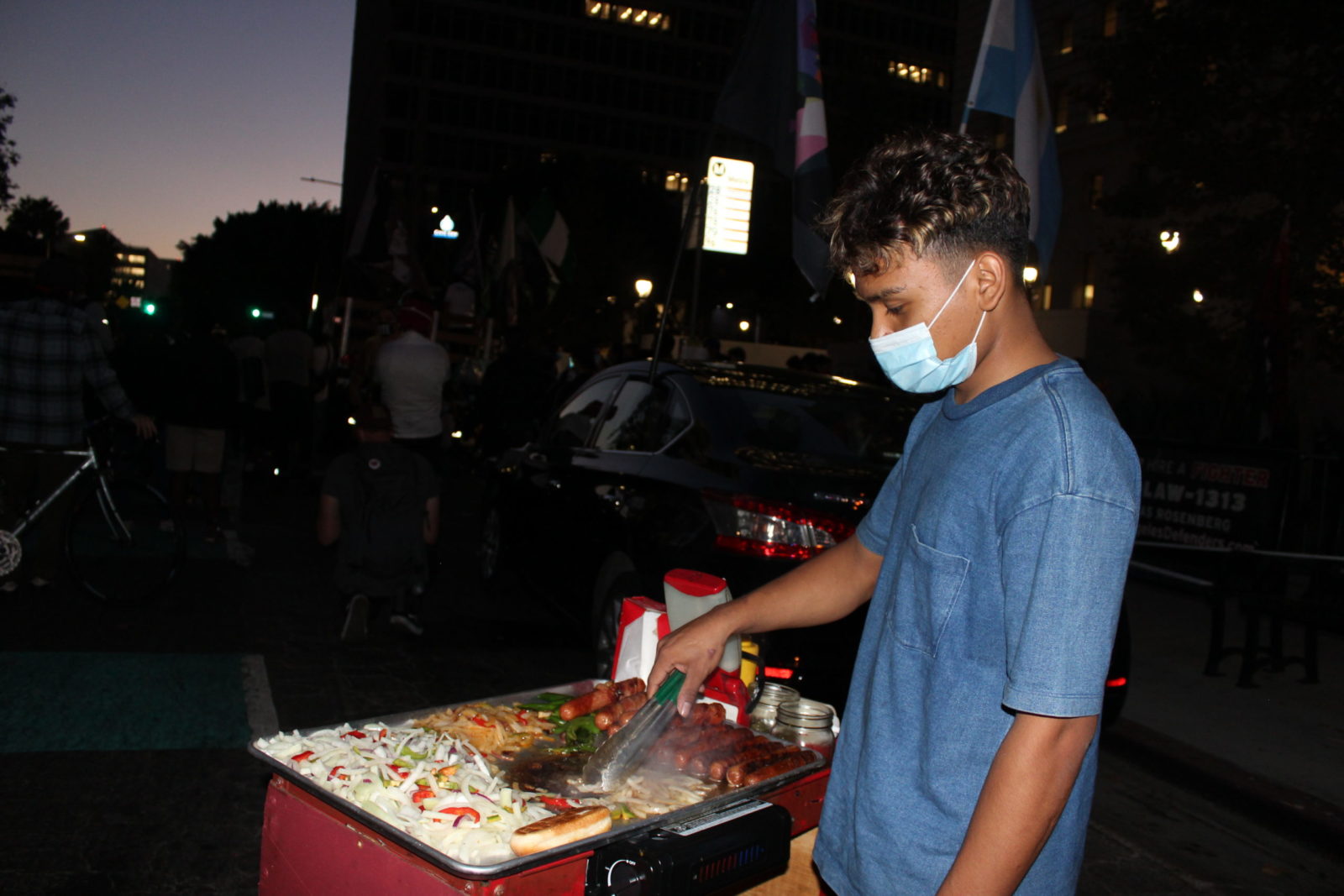
he pandemic is happening, and my parents don’t have any work,” said Jose, a young hot dog vendor posted up in front of the Hall of Justice. “We were just looking around and saw this [rally], so I brought my cart down to get money for my family.”
Cutting through the smoke of burning sage was the welcoming aroma of a familiar staple in Los Angeles vendor culture. Once offered to massive crowds leaving concerts and basketball games at the Staple’s Center, to football fans leaving the Colosseum or Dodger fans exiting Chavez Ravine, bacon-wrapped hot dogs now make appearances in massive demonstrations and protests in the racial reckoning taking place in 2020.
On Wednesday, Black Lives Matter Los Angeles held a rally directly in front of the Hall of Justice on Main, celebrating the passing of ballot Measure J and removal of incumbent L.A. County district attorney Jackie Lacey. The large gathering attracted a handful of hotdog vendors, who set up carts around the demonstrators’ perimeter.
As the nation reports over 100,000 new cases and enters its 9th month under Coronavirus lockdowns, large crowds have been difficult to come by in California. The exception is the waves of protest sparked by the police killing of George Floyd in May. Jose said that the initial lockdowns made it hard to sell, but fortunately, his two older sisters kept their jobs, maintaining a couple of income sources for his family over the Summer.
“My parents have been selling food for like 20 years, and my mom and my brother just got another job together working at a factory, full time,” he said. Regarding the protest, Jose said he feels sympathy for the families of victims killed by police.
“I just hope the world recognizes what’s going on to keep supporting this. It’s really sad that they lost their loved ones to police brutality. I just hope this doesn’t happen anymore.”
Jose goes to school but said he hasn’t thought of a career yet. Instead, he is taking it day by day. On the opposite side of the crowd stood another cart, manned by a 20-year old vendor working under a battery-powered camping lamp. He chose not to be named for this article.
Most vendors like these have been going out less since stay at home orders were first implemented, ultimately hurting their bottom line.
The vendors grilled classic bacon-wrapped hot dogs over a portable camping stove. They’re served on a toasted bun, with a generous topping of fried bell peppers, mayonnaise, mustard, and grilled onions. It’s with a side of grilled jalapeños toreados, a quick service meal for a reasonable price.
“We wanna see if we can sell here before we go to the next protest,” he said, “We come when we know there are events, like one at City Hall protesting the war in Armenia.”
Most vendors like these have been going out less since stay at home orders were first implemented, ultimately hurting their bottom line. “Some restaurants have already closed, and there are not as many clients as before,” he said.
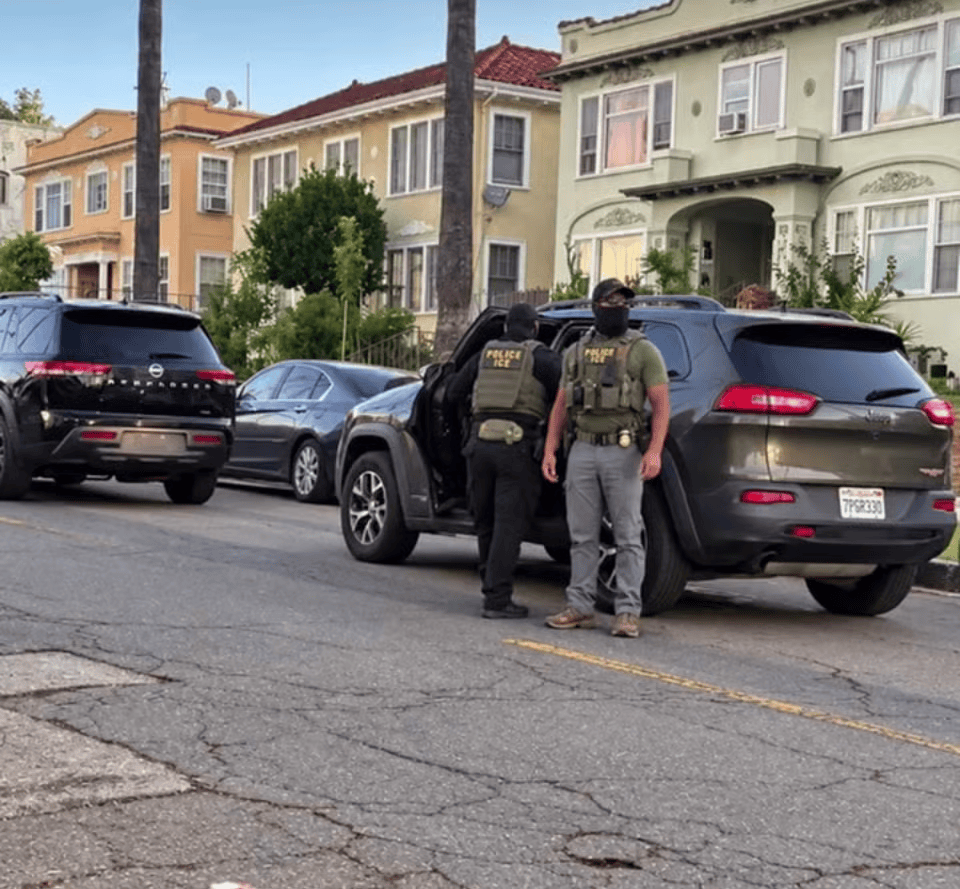
He also expressed fears about his immigration status, but said it doesn’t stop him from coming to these gatherings, often met with a large police presence. “Working on getting documents and papers with a lawyer so I can become a citizen of this country, to prove to them that I can’t return to my country because there’s a lot of violence.”
Vendors across Southern California have had to find clientele in the absence of events and bustling markets as the pandemic has impacted nearly every community. It does not help that the City has continued to penalize street vendors, sometimes with fines.
Undocumented laborers may have lost work in hotels and restaurants, and while they are taxpayers, they aren’t eligible for federal coronavirus relief forcing many to seek employment elsewhere. There’s also the fact that they’re disproportionately affected by the Coronavirus due to lack of medical insurance, or in the case of some street vendors— because they can’t afford to stay home any longer.