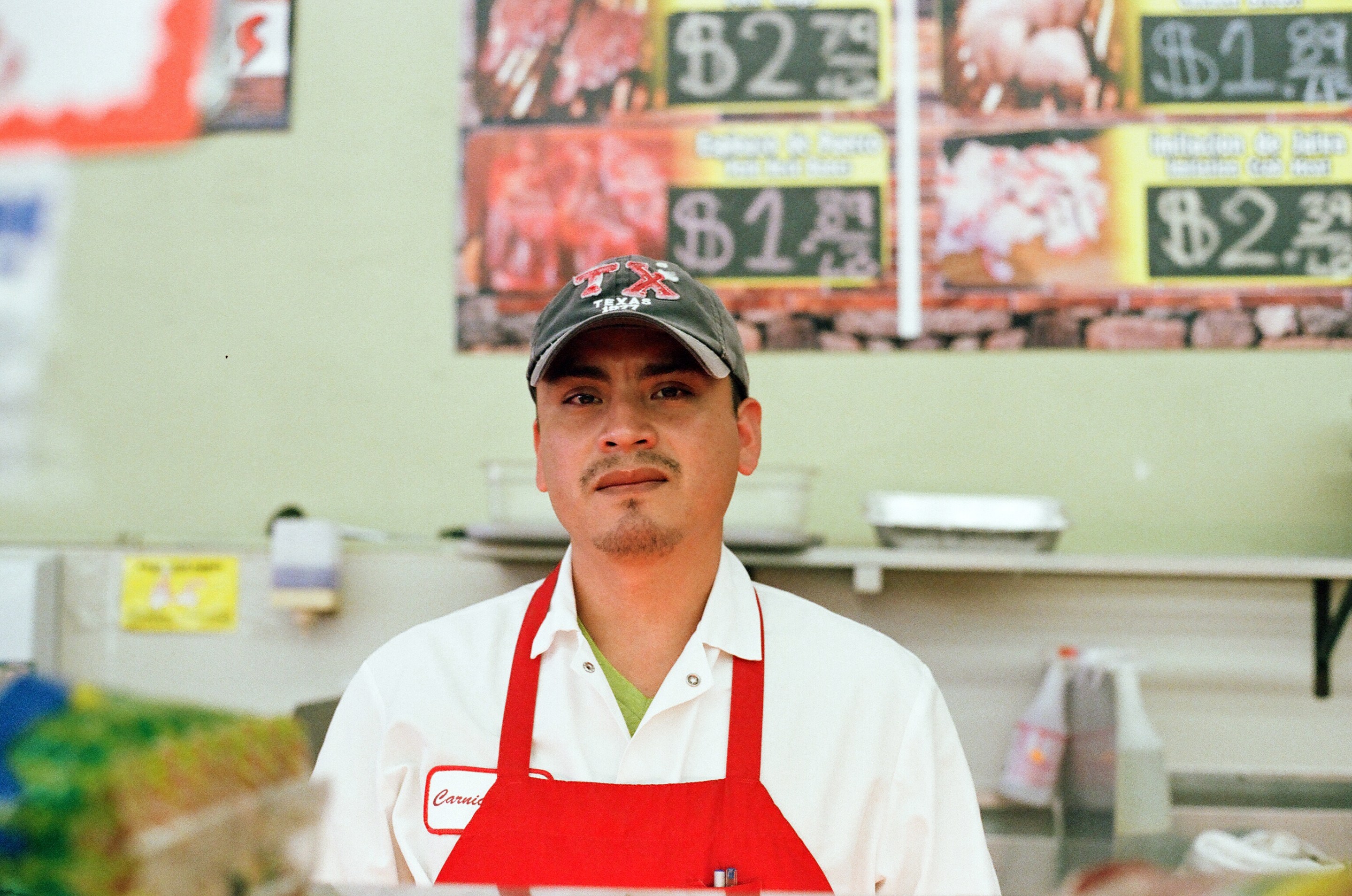
“You don’t think it’s going to happen to you until it does.”
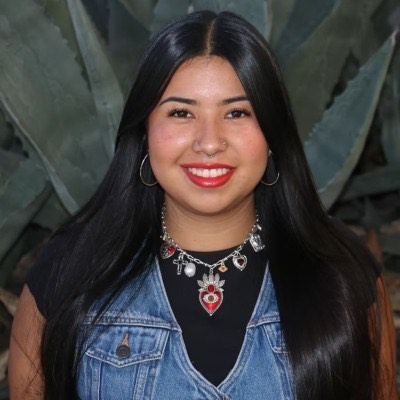
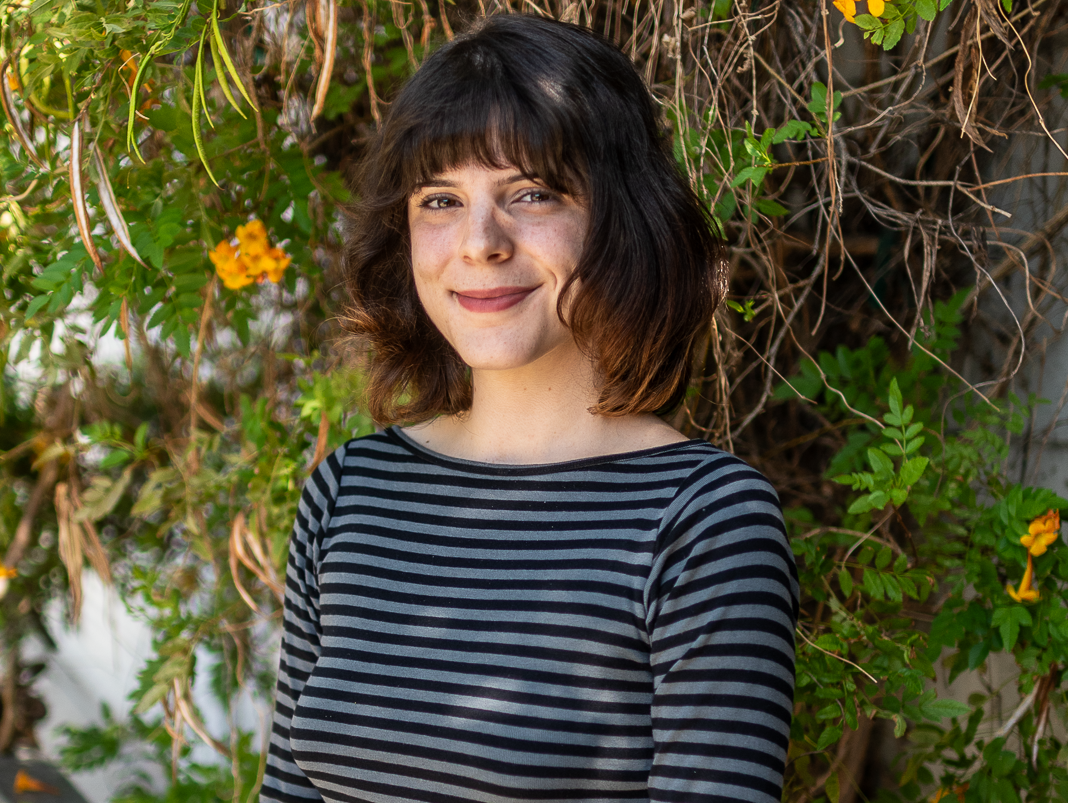
This statement by Samanta Helou, creator of the This Side of Hoover project, perfectly captures the unpredictable, unsettling sentiment behind gentrification in Los Angeles. She is a resident of East Hollywood’s Virgil Village neighborhood, a part of town that is usually reduced to “Silver Lake adjacent” on Craigslist apartment listings. It has been the home to over 8,000 residents of mostly Latino and Filipino backgrounds for decades but that is quickly changing.
In 2016, she received notice that her apartment complex was sold to a larger property management company. The timing of that letter coincided with many of the neighborhood’s immigrant-owned storefronts like carnicerias and pupusa shops being turned into cafes, art studios, galleries, and restaurants. After all, L.A. county is home to the 4th highest percentage of renters in the country and approximately 53.9% of residents are renters. This includes many mom-and-pop businesses and tenants like Helou.
As a freelance multimedia journalist and photographer just out of grad school, she started documenting the displacement of her neighbors via powerful portraits and bilingual anecdotes about the issue via an Instagram account. L.A. Taco caught up with her over the phone to learn more about her DIY project and what she hopes to accomplish with it.
L.A. Taco: What made you want to take matters into your own hands and start this project?
Samanta: I’ve been wanting to do something like This Side of Hoover since I received that letter. All of my neighbors were Latino, mostly Guatemalan, Salvadoran, and Mexican. The Filipino landlord who owned it for many years sold it to a big management company. Slowly, we started seeing changes. They installed cameras and then we got a letter stating that everyone needed to move out for retrofitting.
Luckily, I found a room in the building across the street. I walk by my old building every day and now and there is not a single tenant who is a person of color. That really hit me. You always hear or read about gentrification and you never think it’s going to happen to you—until it does. I’m a photographer so I was already taking lots of photos of the neighborhood because the changes were so rapid. If I didn't’ do something, who was going to make sure that we didn’t forget who has been here?
Los Angeles has a penchant for rebuilding things very quickly and forgetting what used to be there. In a way, I think this is a form of erasing our history. I didn’t want this to happen to Virgil Village. I know I can’t stop gentrification by myself but I just want to archive the people and their stories. Instagram is a really accessible way to document all of this.
What initially drew you to this particular neighborhood?
I’ve lived here for three years. After I graduated from college, I didn’t have a home to go back to where I am originally from in Escondido. I was looking for places to live that were affordable for my income bracket and Virgil Village was that place. There were carnicerias and I could speak Spanish to anyone so it felt like home. I was born in Mexico. I started building my community there. I know and understand that I wasn’t born and raised there neither but with the privileges that I have--a journalism degree and a camera--I wanted to do something about it. There are things we can do to fight back.
I hope this project sparks a dialogue on the complicated subject. I'm not trying to go after these new businesses but rather present what was there before and what's there now and how it reflects or doesn't reflect the existing community. These new businesses are often a symptom of gentrification and that is a systemic issue. I personally prefer to spend my money on existing Latinx owned businesses that provide something for my community at an accessible level. My goal is to archive what's going on and to celebrate the people who made the neighborhood vibrant, to begin with.
Have you encountered any common threads among the residents that you have featured?
Everyone usually starts off with: “There are a lot of gringos now!” A lot of the older residents initially like the changes because there isn’t much gang violence anymore compared to the 90s, but then their friends and family can’t afford to live there anymore. This makes me think: Why don’t communities of colors deserve safe, affordable neighborhoods for themselves? Why do safe neighborhoods usually mean kicking out the older residents?
Hoover and Virgil are the borders of Silver Lake and East Hollywood. I think that’s why the changes in this neighborhood are so intense. People who can’t afford Silver Lake anymore are coming in and just making it an extension of Silver Lake. When Cha-Cha-Cha--this kitschy, Caribbean old-school restaurant--closed. It was quickly demolished and in the renderings of the new luxury building the developers presented, there were only BMWs and not a single brown person in sight. I’m not trying to make an argument. I just want to present the facts and you can make up your mind if this is problematic or not.
What’s been the most memorable anecdote that you’ve encountered?
I haven’t posted it yet but it was a single mother who used to live in my old building. Her 12-year-old son was so heavily involved in the community that he earned the nickname “the mayor of Virgil Village.” He rode a skateboard and everyone knew him. He would tell me how that name empowered him and made him feel like he could do anything. He dreamed of one day owning a home on the same street. When we all got displaced, I spoke to him and he told me he doesn’t feel like that anymore. The displacement affected his self-esteem as a young person. This really broke my heart.
What do you hope to achieve with this project?
First and foremost, I want to archive and keep a record of what existed. If you are planning on opening a business in a neighborhood, I feel it is important to understand the community, its history, and its needs. I want to celebrate the community and people who made the neighborhood the vibrant place that it is. I also hope to spread awareness of tenant rights and to show that if they unite, they can organize and fight back. I’d love for it to grow and empower other communities to do something similar. We have to use whatever resourced we have available to help each other out.