I’m sitting on the edge of fatalism, trying not to give in. Trying to be optimistic.
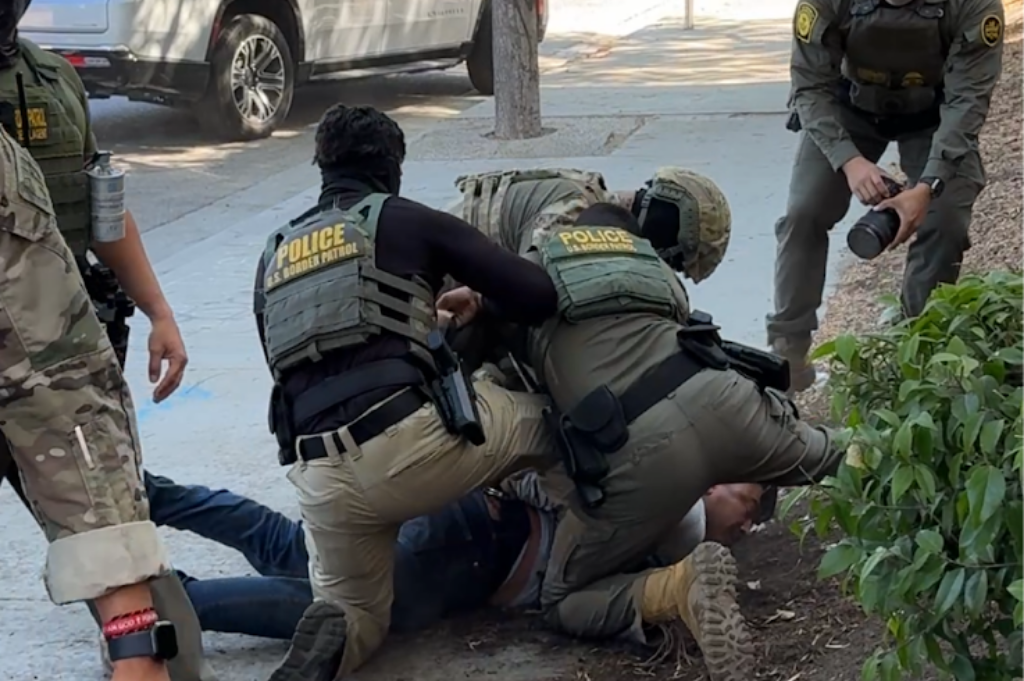
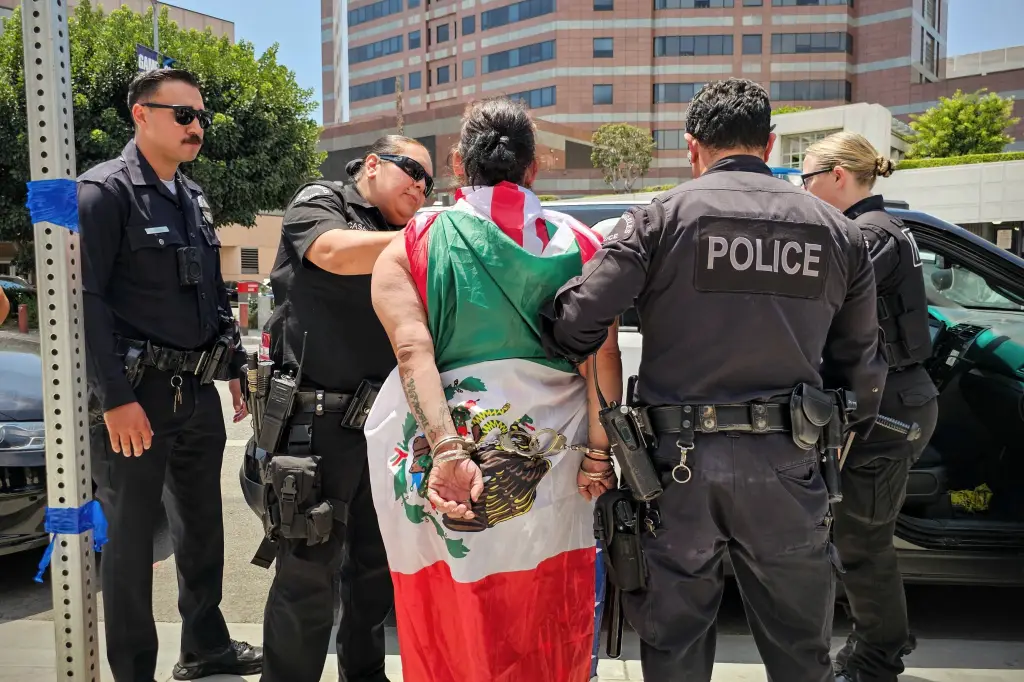
The United States Supreme Court just lifted a temporary restraining order that had protected Latinos in Los Angeles from what lower courts and several legal experts had already flagged as unconstitutional: detentions based solely on the color of our skin, the language we speak, or the kind of jobs we work.
In other words, ICE can once again roam our neighborhoods, grabbing “Latino looking” people without any cause.
And … shit. I don’t know what to say anymore. I’m trying to intellectualize it. Trying to sound like some kind of expert on what this means. Asking the chatbots to explain the ruling, as if logic will uncover a hidden fairness I just can’t see. But the truth is there’s something I don’t understand: what do Latinos have to do to get justice in this country?
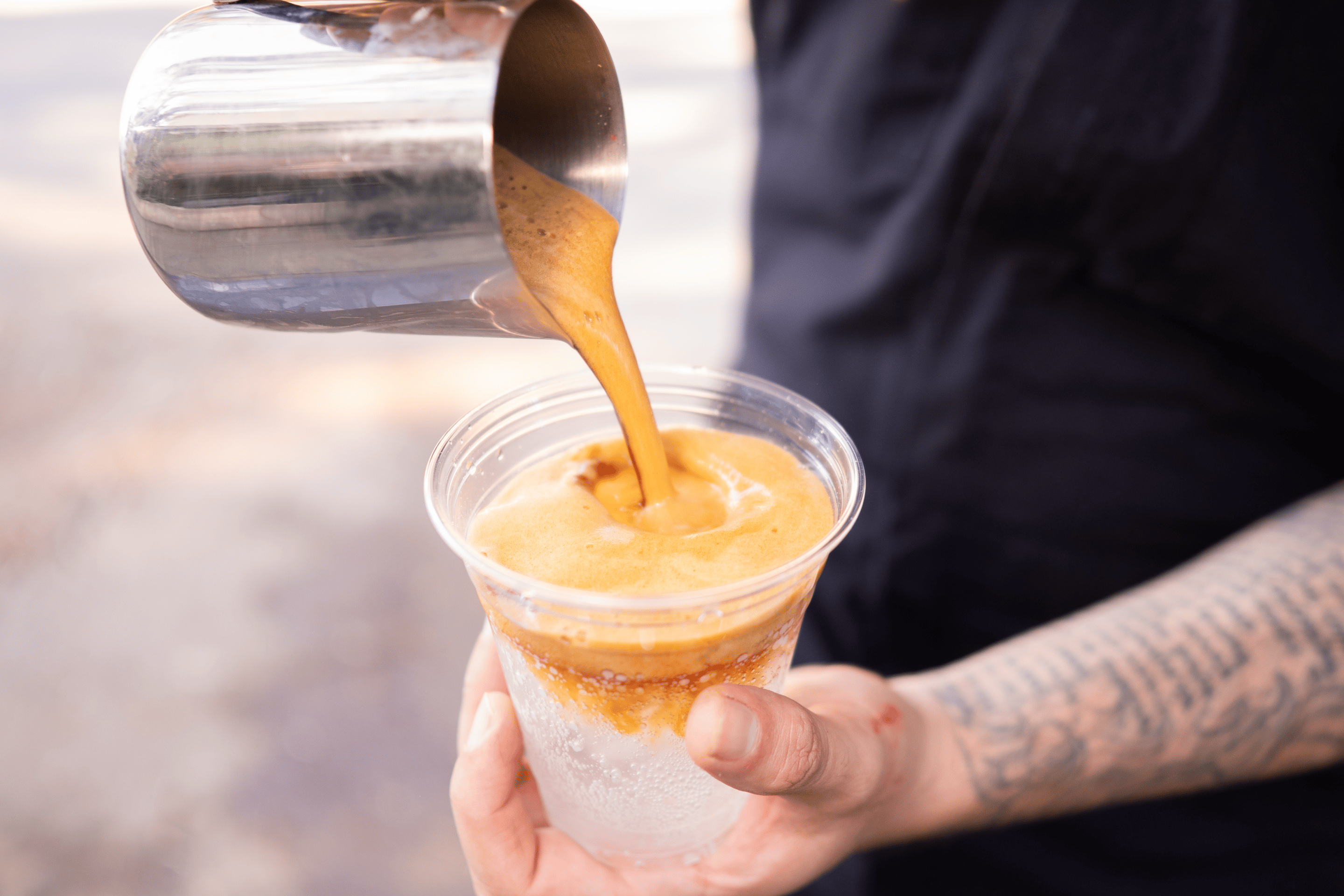
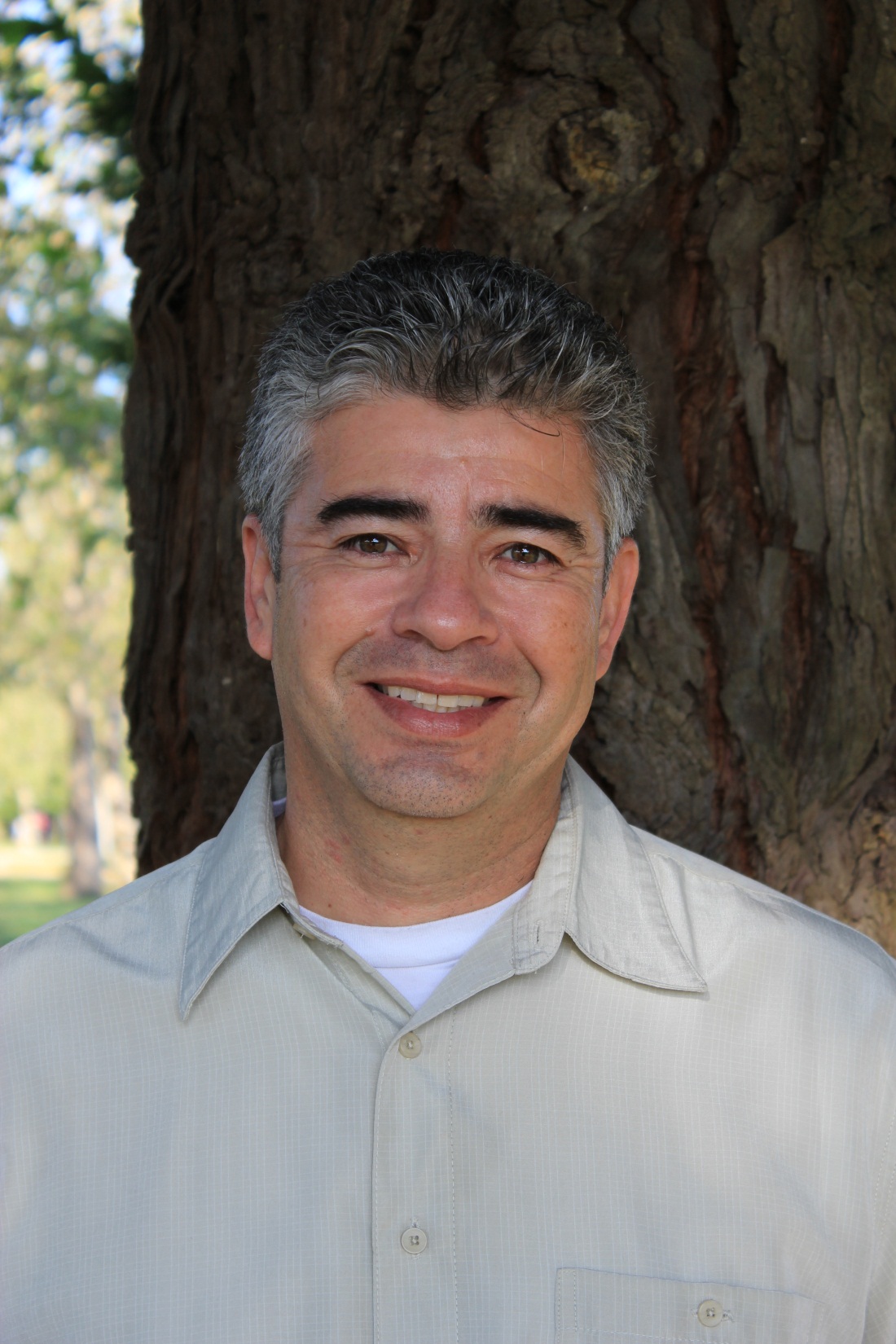
I can’t help but think back to 2020, when the Supreme Court surprised almost everyone by protecting DACA. That morning, I was with Rodolfo Barrientos, the owner of Gracias Señor. His mom cried tears of joy when she saw the news that her son could stay in the only country he’s ever known.
At his taco truck in Pacific Palisades, customers of every race lined up. High school kids called him their hero. For one day, you could see Martin Luther King Jr.’s famous line — the moral arc of the universe bending toward justice—in real time, in the form of tacos and tears and relief.
It didn’t last, of course. Even Rudy knew it wouldn’t.
“Every action has an equal and opposite reaction,” he told me that day.
He was right. Four years later, here we are again, facing a decision that feels like the opposite reaction: ICE patrols empowered, Latinos left vulnerable, justice snatched back.
I want to be angry. To shout. To flip the switch. But I hear my mom’s voice in my head, the way she’d try to calm me down as a kid: “Es mejor que haya un loco y no dos.” Better one fool than two.
Just because someone is being cruel doesn’t mean you have to meet them at their level.
So instead, I’ll remind myself and anyone reading this: sometimes justice does arrive. Not often. Not long enough. But it shows up just enough to remind us that this country can be better than its worst instincts.
And here’s another thing: Latinos are here to stay. We’ve been here. We’ve tilled the fields, built the freeways, cooked the meals, cleaned the offices, run the businesses, paid the taxes, and raised the children who keep this country running. We’ve written the songs, created the art, and told the stories that shape American culture. Our blood, sweat, and joy are already woven into the fabric of this nation.
So if anyone thinks they are “saving the purity of the American race” by eradicating the Fourth Amendment, they are fools. They’re not saving America; they’re shredding it until there’s nothing of the American promise left worth protecting. Because there is no United States without freedom and the Constitution.
And there’s definitely no United States without Latinos. There never has been. What they call “purity” looks a lot like fear. And fear is a weak foundation for a country that claims to stand for freedom, that claims to be the greatest in the world.
I don’t care what your favorite conspiracy theorist podcaster has to say. But I do agree with the idea that facts don’t care about your feelings.
And here’s a fact: There is no “invasion” of this land by foreign-born insurrectionists trying to replace its native people. That already happened in 1620.
Let’s be clear: Latinos are not the threat. We aren’t the new kid in town. And we aren’t here to replace anybody. We are the descendants of the people who have lived and labored on these lands since the dawn of civilization. Many of us are U.S. citizens and proud of it. Most of us are young and upwardly mobile. And clearly, we can swing elections.
So maybe we don’t need optimism, we just need patience.