L.A. TACO is embarking on its biggest mission yet: to create a taco guide for every single neighborhood in Los Angeles! Along the way, we will also be releasing brief histories of each neighborhood to understand L.A. a little more and celebrate how each and every neighborhood makes our fine city the best in the world.
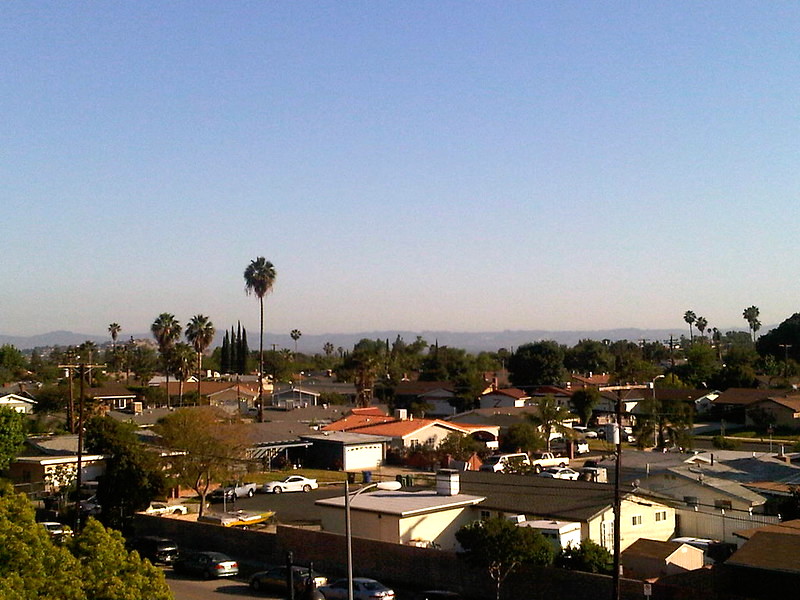
Sylmar, which runs along the base and into the foothills of the San Gabriel Mountains, is the northernmost neighborhood in the City of Los Angeles, earning the nickname “the top of Los Angeles.” The region’s recent history stretches back to the establishment of the San Fernando Mission in present-day Mission Hills in the 18th century, while the land was used abundantly for olive orchards starting in the late 1890’s. The neighborhood assumed the name “Sylmar” in 1893, using a portmanteau based on the Latin for “tree” and “sea.” By 1906, Sylmar boasted the world’s biggest olive orchard, in a corporate operation that necessitated large forces of hired immigrant labor to pick crops, including notable numbers of workers from China and Japan. By 1986, Sylmar still had some of the largest tracts of undeveloped land in L.A. and was widely rural, which changed rapidly after the completion of the Foothill and 118 Freeways in 1981. The neighborhood’s population grew by over 30% between 1980 and 1990.
Sylmar was struck by what is known as the “San Fernando Earthquake” in February 1971, a 6.5 magnitude shaker that killed 58 people and caused $500 million in widespread damage to homes, buildings, and infrastructure. Four months later, Sylmar was the site of the worst tunneling disaster in California history, when a methane explosion killed 17 workers digging a tunnel as part of the California Water Project bringing water to L.A. from the Sacramento-San Joaquin River Delta. The disaster led to the longest municipal court trial in U.S. history, a 54-week criminal trial against the Lockheed Shipbuilding and Construction Company. Along with fines and civil damages, one result was California adopting the toughest mining and tunnel regulations in the U.S. as well as the founding of the state’s occupational safety division, known widely as Cal/OSHA. In November of 2008, the destructive Marek Fire was followed by the Sayre Fire, which destroyed 489 residences, the biggest loss of homes due to fire in L.A.’s history.
Some of Sylmar’s landmarks include the Nethercutt Collection, a museum housed on a former private estate known for its antique musical instruments, antique furniture, and what many experts say is one of the world’s best collections of classic automobiles, one that holds the greatest number of titles at Concours d’Elegance competitions. There's also Gravity Hill, a mysterious spot close to a cemetery that is said to make one's car roll uphill, whether by illusion, magnetism, or supernatural forces, while on a downward slope in neutral gear. It is also rumored on Yelp to be a meeting point for white supremacist gangs. In addition, Sylmar also has the Wildlife Learning Center where guests can encounter and learn about animals from all over, including giraffes, sloths, foxes, and porcupines, among the many.
One of Sylmar’s most recognizable historic monuments is known as The Cascades, a human-made, zig-zagging spillway channel marking the end of the Los Angeles Aqueduct system, which delivers water from the Owens River in the Eastern Sierra Nevada mountains to L.A., and can seen for miles from the freeway. Doobie Brothers fans may also recognize the underside of the 5 Freeway as shot in Sylmar for the cover of their 1973 album “The Captain and Me.”
Hidden away in Kagal Canyon, you'll find The Hideaway County Bar & Grill, a 110-year-old western tavern housed in an old stagecoach stop that serves its own house lager alongside burgers, live music, and Wild West bric-a-brac like wagon wheels and historic revolvers.
Sylmar is also home to the 1,036-acre Sunshine Canyon Landfill. The largest landfill in the region, it was commissioned in 1958 and still provides a home for 1/3 of L.A. County's trash today, some of which is burned and converted to renewable energy. The site is also home to over 20,000 oak trees that have been grown there.
Famous people born or raised in Sylmar include singer-songwriter and former Voice contestant Angel Taylor, baseball’s Alex Meija, departed former boxer Bobby Chacon, and former Sacramento Kings player Tyler Honeycutt, who tragically died by suicide after shooting at a cop while barricaded in his Sherman Oaks home in 2018 after what his mother claimed was six months of nitrous oxide abuse. Recognizable graduates of Sylmar High School include departed Chelsea Handler co-host Chuy Bravo, rock singer Jeff Scott Soto, California Assemblywoman Suzette Martinez Valladares, All-Star pitcher Marco Estrada, and former NFL great/current San Quentin inmate Brandon Bower. Given its location, Sylmar has been used as a location in dozens of movies, including many classics of San Fernando Valley cinema like Alpha Dog, Earth Girls Are Easy, and Encino Man.
In 2019, actor Danny Trejo, who grew up in nearby Pacoima and has a home in neighboring Mission Hills, helped save a five-year-old stuck in a child safety seat inside of an overturned SUV after witnessing a collision on the street.