Music in the early 2000s expressed a mixture of cultures, sounds, and beats that blasted through the world's speakers to a new generation of listeners. Moving away from the traditional mainstream music of the 1990s, this new musical blend gave old genres a fresh twist.
This cultural crossroads led to the rise of bands like Chicano Batman, Las Cafeteras, Yeah Yeah Yeahs, Tame Impala, LCD Soundsystem, She Wants Revenge, TV on the Radio, and many more.
By the 2010s, the four kids from East Los Angeles and the San Gabriel Valley who would go on to start Levitation Room found themselves drawn to the same sounds: hypnotic rhythms that seemed to push the limits of time, fuzzy reverb riffs, and groovy beats. They were all children of working-class parents who bore the weight of struggle and survival, working long hours trying to make it in a new country.
For some, that included learning a new language and culture while dodging immigration enforcement, or la migra, while living in Los Angeles during the 80s and 90s.
Music was never promised to them. It was a dream that often felt unreachable. But it became their escape, rebellion, and ultimately their livelihood.
The Rhythms of the Early Days
Levitation Room started small, performing in local garages and backyard gigs with string lights hanging above the cracked pavement and the scent of beers spilled on the floor on a hot day in L.A. At first, only their friends showed up, a small handful of people swaying along to the psychedelic haze and buzz they created with their music.
They didn’t have the best equipment, using secondhand amps, borrowed drums, and whatever gear they could get their hands on.
“When I tried out for the band, I didn’t even own a drum set,” said drummer Johnathan Martin.
“I was eager to join a serious group that wanted to make music, and when I met them, I just said yes to the chance to try out,” Martin recalled, the group laughed beside him while reminiscing about the early days.
Years later, Johnathon’s hunger for making music aligned with the band. Despite the lack of resources, the band made up for it in their live performances and catchy tones.
“Our first live shows were during the early Facebook days of creating events and inviting everyone you knew,” said Gabriel Fernandez, lead guitarist.
Word spread quickly as they entered a new era of the local music scene.
Amidst the societal transformation of the music industry as it faced the onslaught of the iPod, Spotify, and Twitter, four friends formed Levitation Room in 2012, inspired by a pivotal moment in their East L.A. studio—a mushroom-enhanced jam session.
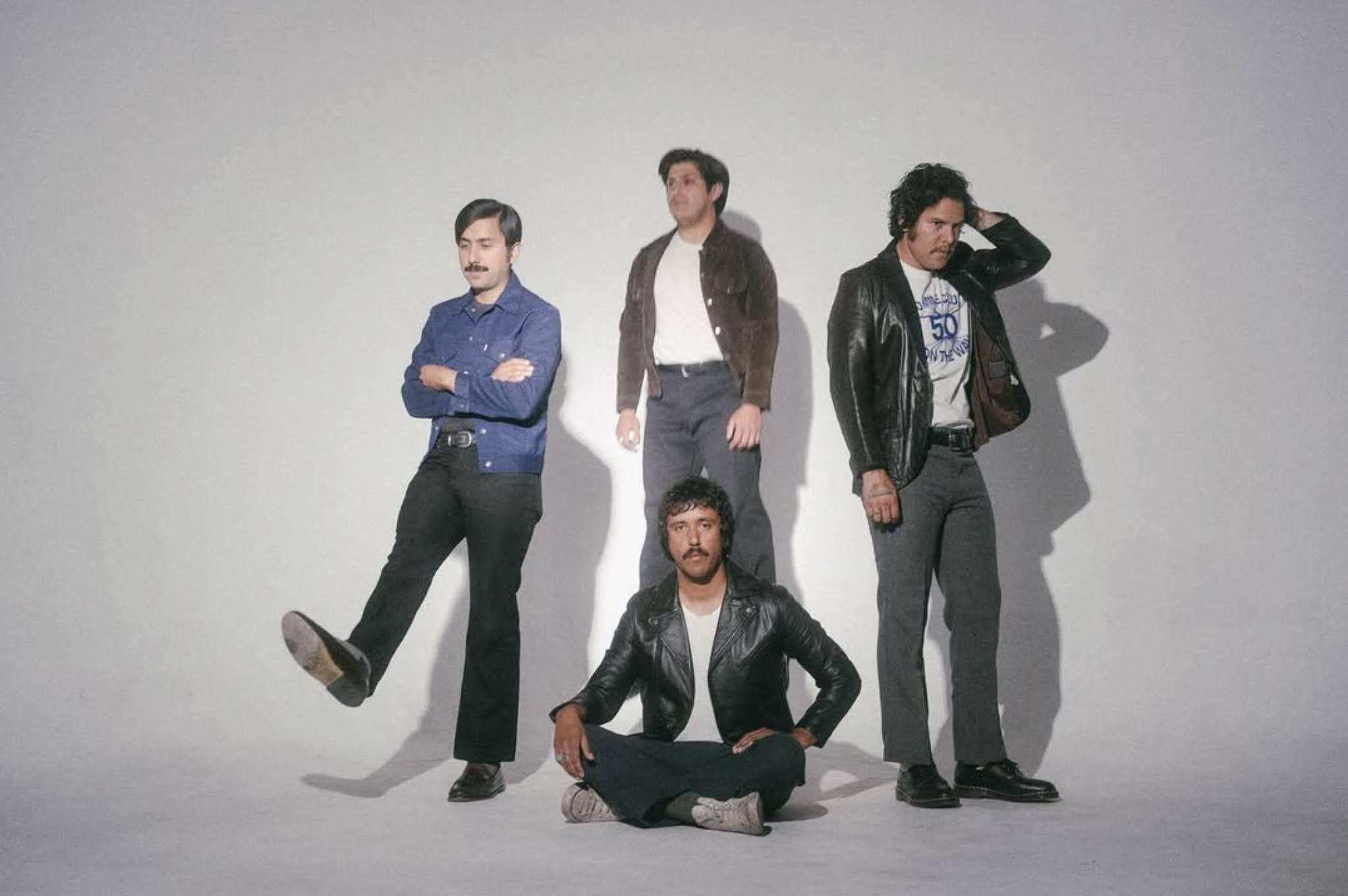
The band is headed by singer and guitarist Julian Porte, lead guitarist Gabriel Fernandez, drummer Johnathan Martin, and then-bass player Jonathan Martin Theimes. In 2021, Kevin Perez joined the band to play bass after Theimes' departure.
Their music and name honor both the cosmic and the earthly, the psychedelic, and the immigrant roots that influence them. Their songs in Spanish, like “Pienso en Ti,” weave stories of love and visions of freedom. Their sound is soaked in echo and reverb, paying tribute to the late ‘60s psych movement while incorporating the realities of Los Angeles.
“L.A. has a wide range of musical tastes. There is something about this city and its musical offerings," said Porte.
By 2015, they were performing show after show across the L.A. music scene. Then came the invitations they never imagined: gigs in Mexico City, Toronto, and all over the U.S., from the Midwest to the East Coast, and across Europe.
For kids who grew up in a working-class community like East L.A. and SGV, stepping onstage in another country felt like a miracle or a dream.
“I never thought we’d be traveling the world playing our music. That was our dream to do so, but to experience it, it’s pretty cool,” said Julian Porte.
Back in October 2022, after wrapping up a series of shows around Mexico City, Porte was on a hiking trip with friends when five armed men attacked them. He and his friends were tied up and gagged. They were left stranded, with their belongings stolen including equipment, passports, money, and credit card details.
“Getting back home was the toughest thing I’ve ever done,” Porte recalled.
He took to Instagram to share the news and launched a GoFundMe page to help cover the losses.
Despite the setback from Mexico City, the band felt that every tour opportunity was an chance to grow the band’s reach and they didn’t take it for granted.
“We were serious about the band at an early stage when we formed,” said Fernandez. “We didn’t want to do it just because. And wanted to take this to a level that we can hopefully survive from.”
Since the launch of their first album in 2016, Ethos, they’ve attracted 258,428 monthly listeners on Spotify. Outside of L.A., their second-largest listening base comes from London, followed by Mexico City, Sydney, and New York City. Fans worldwide have connected deeply with Levitation Room’s music, enabling them to continue touring globally.
The Beat Goes On
At the start, nobody beyond their close friends knew their music. They played at various backyard parties, where neighbors would sometimes complain, and at small venues. They'd book a string of shows around L.A. until they finally earned recognition and took their act global.
Despite the slow pace for some, it felt like they were building something meaningful.
So far, the band has put out three studio albums, with their latest in 2024, called "Strange Weather.” This year, they released a smash hit single, “It Happens All the Time.”
They toured the East Coast in September and rocked the stage on Oct. 1 at The Paramount in Boyle Heights.
They are still the same kids from East L.A. and SGV who started out playing backyard shows, but their vision and passion have grown. What was once impossible for them—touring the world and sharing their music with diverse cultures and crowds—is now a reality for these Chicanos.
Family members who didn’t agree with their lifestyle in the early days are coming around after years of hard work in the studio and global recognition.
Levitation Room never expected to see the world, but the world has seen them. Their music and perseverance remind us that even in the shadows of struggle, dreams can flourish and become an unstoppable force.