
Is the age of the DIY restaurant menu nearing an end?
Part of the charm of visiting a mom-and-pop restaurant is peeling open a gloriously sticky menu, coated with years of grease and who knows what else, and being met with pixelated photos, overexposed plates, low-quality clipart, and typos galore.
These design choices, though imperfectly executed, used to signal that an imperfect human was involved in making them. A restaurant might have limited marketing resources, but at the very least, a homemade menu meant a hardworking team member was trying their best.
Today, however, Los Angeles’ restaurant landscape is overrun with A.I.-generated food images, signaling that faded menu photos, do-it-yourself graphic design, and handwritten chalkboard specials may soon be artifacts of a bygone era.
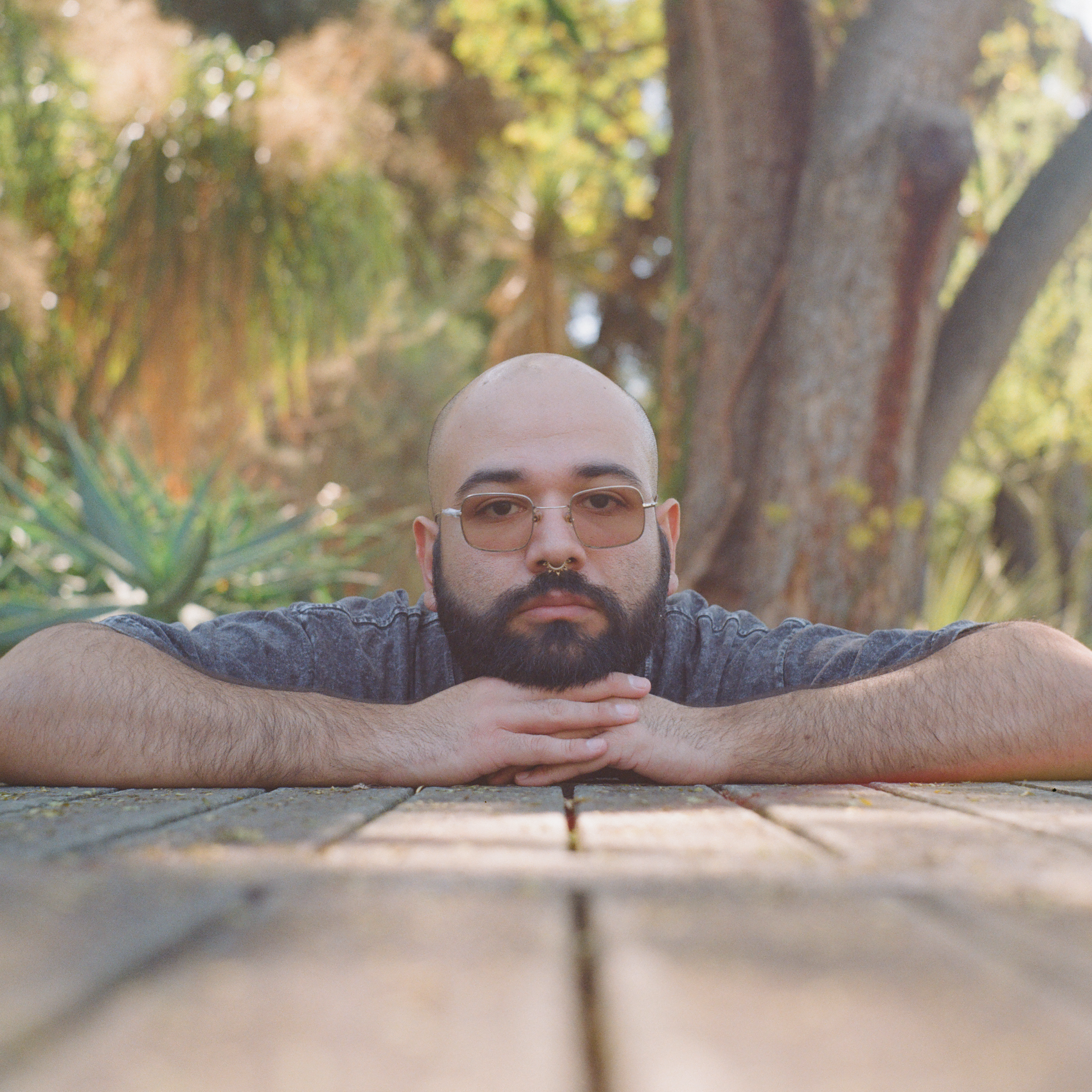
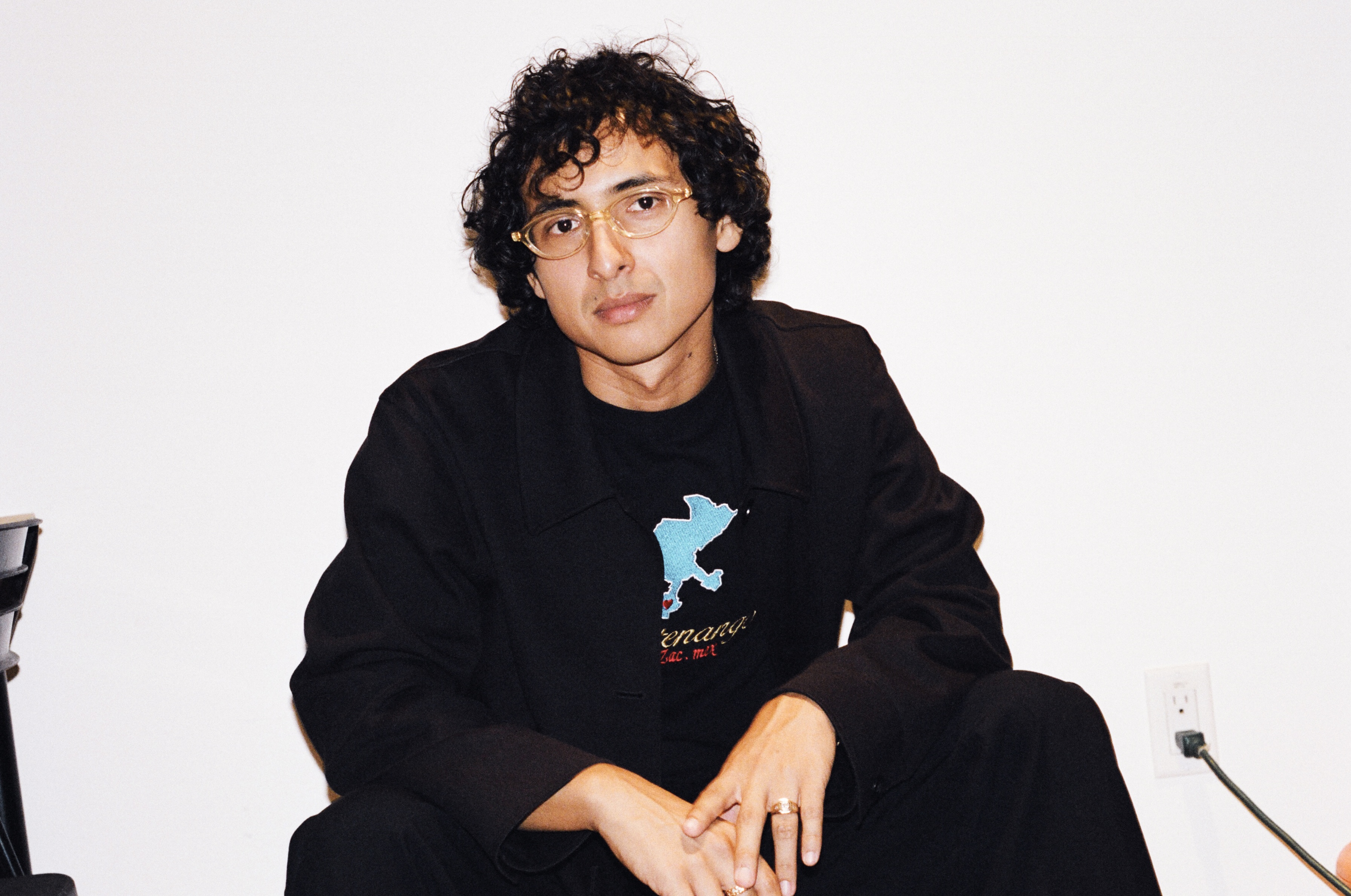
For Albert Corado, Eagle Rock resident and co-founder of People’s City Council, the ubiquity of A.I. menus has become an increasing source of frustration and disgust. So much so that he was inspired to create @yourmenusucks, an Instagram account dedicated to documenting A.I.-generated menus and signage he finds at restaurants across L.A.
Corado first started posting to the account in August, sharing nauseating images of gelatinous pizza slices, spiky mac and cheese balls, and goopy chicken tenders.
An avid walker, Corado tells L.A. TACO that he first started noticing the A.I. slop takeover of L.A. earlier this year.
“A.I. has run amok,” he says over a Zoom call. “As I’m walking and paying attention, I just notice more and more these A.I. food posters.”
It’s not just Corado who’s noticing more A.I. food signage around L.A.
Anecdotally, L.A. TACO food writers have also noticed the A.I. slop-ification of Los Angeles. When I told my coworkers that I was working on a story about A.I. food slop, they sent me more than a dozen nightmare-ish examples they found on social media, food delivery apps, and out in the wild.
Recently, Daniel Hernandez, writer and former food editor at Los Angeles Times, wrote about “A.I. slop menus” for his newsletter, documenting the dominance of artificial images representing food stalls at the Venice Beach Boardwalk.
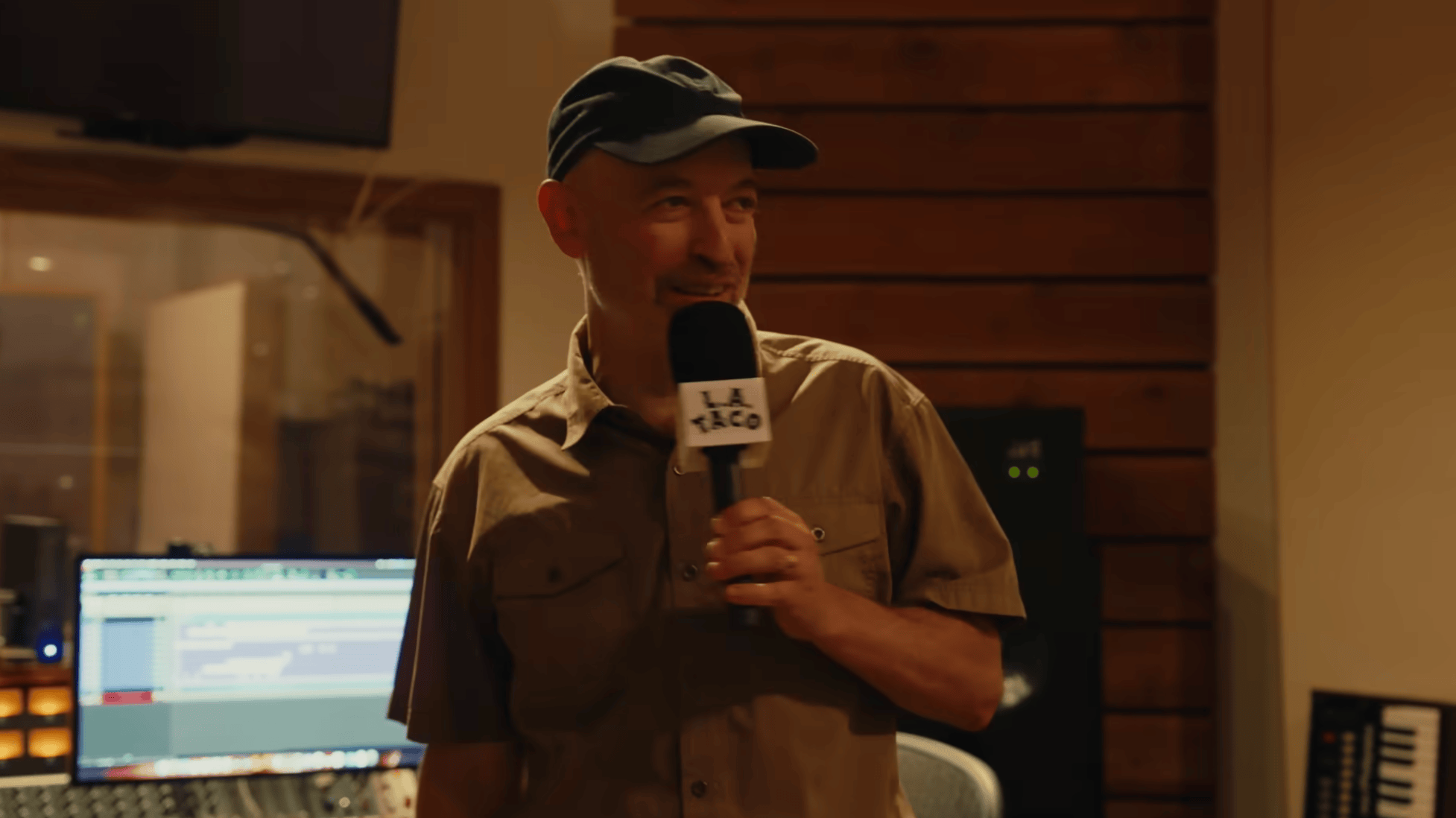
“There’s been an explosion [of restaurants using A.I.] in the last two or three years with the usage of ChatGPT and all the other A.I. platforms,” says Dená Brummer, a communications professor who teaches a food marketing class at USC Annenberg. “I think people are kind of rolling their eyes when they go through the door—another A.I. slop poster.”
On one of Corado’s recent walks, he noticed a massive A.I.-generated banner in front of Fatburger on Eagle Rock Boulevard. Though unremarkable at first glance, a closer look at the sign reveals a drink cup and fry box with illegible text that’s nothing more than A.I. gibberish.
The banner’s featured images are almost photorealistic but have the telltale signs of generative A.I.: The burger patty is excessively smooth and glossy, the packaging inconsistent, and the brand slogan is slightly off.
The promo even misquotes Ice Cube’s famous verse from his 1992 hit “It Was a Good Day.” Instead of “Two in the morning / got the Fatburger,” it reads, “2:00 AM Got the Fatburger.”
Fatburger is one example of a restaurant chain relying on A.I. marketing, but the phenomenon is seemingly more common at independently owned restaurants. Small businesses may be drawn to free programs from tech companies, such as OpenAI, Canva, and Midjourney, due to the relatively high cost of hiring food photographers and graphic designers.
“The restaurant industry [is] struggling right now,” says Brummer. “Food is very expensive, and so everyone is looking for creative ways to cut costs. Smaller companies do not have the luxury of having an in-house marketing team . . . so they’re [leaning on] A.I. to market their products.”
Corado clarifies that his intention with @yourmenusucks is not to encourage people to hate on local mom-and-pop shops.
“I’m not trying to dunk on businesses,” he tells L.A. TACO. “It’s not meant to tear anyone down or to run anybody out of business. I think it’s just calling attention to the fact that we should be able to go to a restaurant and have an accurate representation of the food we’re going to get.”
Brummer, who has worked in food marketing for restaurants, farms, and products sold on grocery store shelves, explains that food labels on packaged products are much more regulated than restaurant flyers and promotional social media posts.
“The United States does not heavily regulate photography and design,” she tells L.A. TACO.
However, even though A.I. food marketing is largely unrestricted, it can be a double-edged sword for businesses. When restaurants generate artificial images that may or may not look like the food they actually serve, they can lose trust and credibility with customers.
“A menu is a promise,” Brummer tells L.A. TACO. “So when you have an image that is fake, people start to wonder what else is fake. Trust is the only thing that you really have.”
“A menu is a promise,” Brummer tells L.A. TACO. “So when you have an image that is fake, people start to wonder what else is fake. Trust is the only thing that you really have.”
Understandably, it can be hard for potential customers to trust an unfamiliar restaurant when menu items are represented with stomach-churning images that hardly resemble real food. In extreme cases, A.I. food slop can even trigger a deeper sense of psychological unease.
“I think something in our monkey brains is saying stay away from that,” says Corado. “It’s like a simulacrum of what food is.”
Something about seeing A.I. renditions of burritos that look like they’re stuffed with maggots or the viral “shrimp rings” post unsurprisingly makes people’s skin crawl.
Corado says that most people he’s talked to would rather see an old, faded picture of a hamburger or a plate of Chinese food than A.I. slop that doesn’t show you what the final dish will actually look like.
In Brummer’s opinion, restaurants that have a tight budget are better off taking phone photos with natural lighting than using generative A.I. Not only can artificial food images be misleading, but they also decontextualize the systems and people behind the food.
That’s because authentic food photography doesn’t exist in a vacuum. It communicates more than just pictures—it tells a story.
Or, at least, it should. Brummer worries that “A.I. slop” is undoing the decades of work that food media veterans have spent fighting for underrepresented cuisines to have their food and stories accurately depicted.
“[Food photography] is supposed to tell the story of the hands of the people that made it, the land that it came from, the lineage,” Brummer says. “It should tell you who grew it, who cooked it, what tradition it came from.
“[Food photography] is supposed to tell the story of the hands of the people that made it, the land that it came from, the lineage,” Brummer says. “It should tell you who grew it, who cooked it, what tradition it came from.
She adds, “A.I. just simply can’t answer those questions.”