It’s that time of the year again when all of a sudden, every single person who grew up Catholic and has roots in Latin America gives up eating meat once a week. During this time, the sales of fish, shrimp, and the rest of the mariscos kingdom dishes go way up everywhere. In Los Angeles, the uptick is notable in our city’s sprawling Mexican food scene as soon as you start to see random signs advertising "fish tacos" on windows.
“Our sales grow twofold on Fridays during Lent, easily, sometimes more,” Raul Ortega of Mariscos Jalisco tells L.A. TACO. This seasonal preference for a taco de camarón over carne asada should serve as a warning if you find yourself craving a fish or shrimp taco on a Friday for the next 40 days—be prepared to wait in line.
Beyond ceviche tostadas and fried mojarras (tilapia), is Mexico’s nearly forgotten art of comida cuaresmeña. The lenten dishes that were born out of the Catholic tradition and representative of Mexico’s Virreinato period in the 1800s, before Mexico’s independence when the country was still called “New Spain.” This was a historic time during Mexico’s food history because it was when Mexico’s Indigenous ingredients started to integrate with the European foodways. This is when Mole Poblano received its famous hungry nun origin theory and when we started to see more domesticated proteins from Europe like cows, chicken, and pork started to become the norm over bugs, spirulina, and wild game.
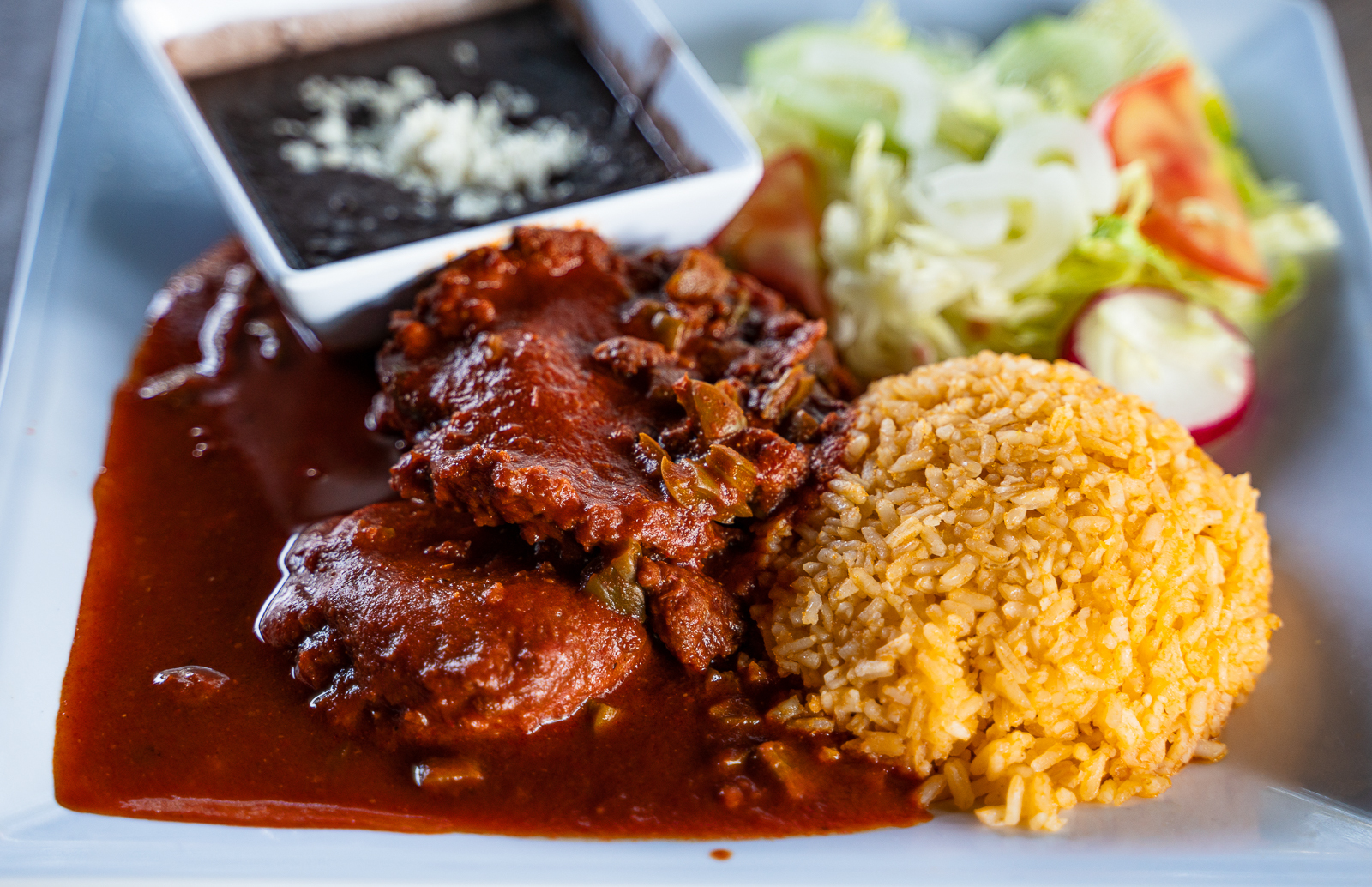
A dish that is a perfect edible snapshot of this critical time in Mexican cuisine history is tortitas de camarón (shrimp fritters), a unique dish made from dried shrimp that became forever attached to Lent for its rich and potent crustaceous flavor. The dish can be found in every corner of Mexico because it is the perfect amalgamation of old-world Mexico with new-world technique: eggs whites are beaten until stiff peaks (then you add the egg yolks back in, of course), dried shrimp is added with a bit of flour, you form lil’ patties, you fry them until golden brown and delicious, you stew them in a velvety sauce made dried red chiles, you add tender stewed nopal strips to make it a wholesome dish that is packed with nutrients, then you eat it with rolled-up toasted corn tortillas for a highly satisfying meal.
You’ll notice some regional variants, like in Central Mexico they can add romeritos (a tender green that looks like rosemary but tastes like spinach) or switch up the dried chiles needed to construct the salsita.
Aside from tortitas de camarón, chiles rellenos, and the usual mariscos dishes that people replace meat with, another lenten dish that came to fruition during this era in Mexico is a dessert: capirotada. A bread pudding layered with nuts, coconut, dried fruit, and stewed in a piloncillo syrup. Most places that serve tortitas de camarón will also serve capirotada, so make sure to ask if they are running it as a special.
Here are L.A. TACO-approved spots to try tortitas de camarón and capirotada.
Note: Usually, tortitas and capirotada are only available on Fridays during Lent. Always call first to confirm and avoid tortita disappointment.
The Valley
Los Ruizeñores
This second-generation family-owned carnicería and meat market serves marbled and delicious high-quality carne in the great one eight , but during Cuaresma, they offer super savory tortitas de camarón today and every Friday for 40 days.
13566 Glenoaks Blvd.
Sylmar, Ca 91342
West L.A.
Venice Bakery
When they’re not making the best chilaquiles in West L.A., this Cuban-turned-Mexican panadería offers tortitas de camarón on Fridays.
Downtown
La Luz del Día
This taquería has been open since 1959, ‘nuff said. If you needed an excuse to go pay your respect to the birthplace of Los Angeles, if you go on a Friday, you can feast on tortitas at this institution where they still make their tortillas by hand. However, make a mental note: They are known for their carnitas, too. Just in case you feel like tasting one on a holy Friday for science.
w-1 Olvera Street
Los Angeles, CA 90012
Southeast Los Angeles
La Casita Mexicana
La Casita Mexicana in Bell is known for making one of the best versions of tortitas in the city. The secret to their sazón? Toasting whole dried shrimp in a pan, pinching off the shrimp’s eyes (which according to the chefs, make it taste bitter), and then blending it to create your own crushed dried shrimp.
4030 E Gage Ave.
Bell, CA 90201
Northeast Los Angeles
El Huarache Azteca
If only a few restaurants in L.A. features tortitas de camarón, then even a handful of spots offer huazontles rellenos, a.k.a. fried goosefoot stuffed with cheese. This dish is mostly seen around Mexico City and takes a similar technique (whipped egg fried into deliciousness.) El Huarache Azteca is one of Highland Park’s last standing OG Mexican restaurants and they still serve this dish, all these years later.
All Los Angeles
La Monarca Bakery
Capirotada cake is two of the most beautiful words you can hear during Lent. L.A.’s first panadería to offer high-quality pan dulce made from real butter, eggs, and flour in 2008 is continuing to evolve the pan dulce genre with their brand new creation: a capirotada cake. It is a delicious coffee cake-style capirotada cake with cream cheese frosting, golden raisins, and toasted coconut—drenched in piloncillo and cinnamon syrup.
Multiple locations. Check out La Monarca’s website for all locations.
Editor's note: If you are a cook and would prefer to try your hand at making the dish instead, L.A. TACO published a trusted recipe by Ramiro Arvizu of La Casita Mexicana last year. Find that recipe here.