Up the street from Poly High School stands a new street food staple on Atlantic Avenue. At a glance it looks like yet another new taco operation popping up to join Long Beach’s recent taco boom.
Then you peek through your rearview mirror as you pass, half-interested, and glimpse a blue-and-white, horizontally-striped flag hung before the white truck that is parked in front of it. An abrupt, and possibly illegal, u-turn brings that flag into focus.
Though Latin American vexillology may not be your forté, you nimbly deduce that the flag belongs to a Central American country. Despite seeing “tacos” and “enchiladas” on the menu, there’s no flaming trompo to be found or bubbling disco de suadero to entrance you. No lineup of salsas. Just a deep-fryer, a charcoal grill, and a wellspring of Nicaraguan recipes.
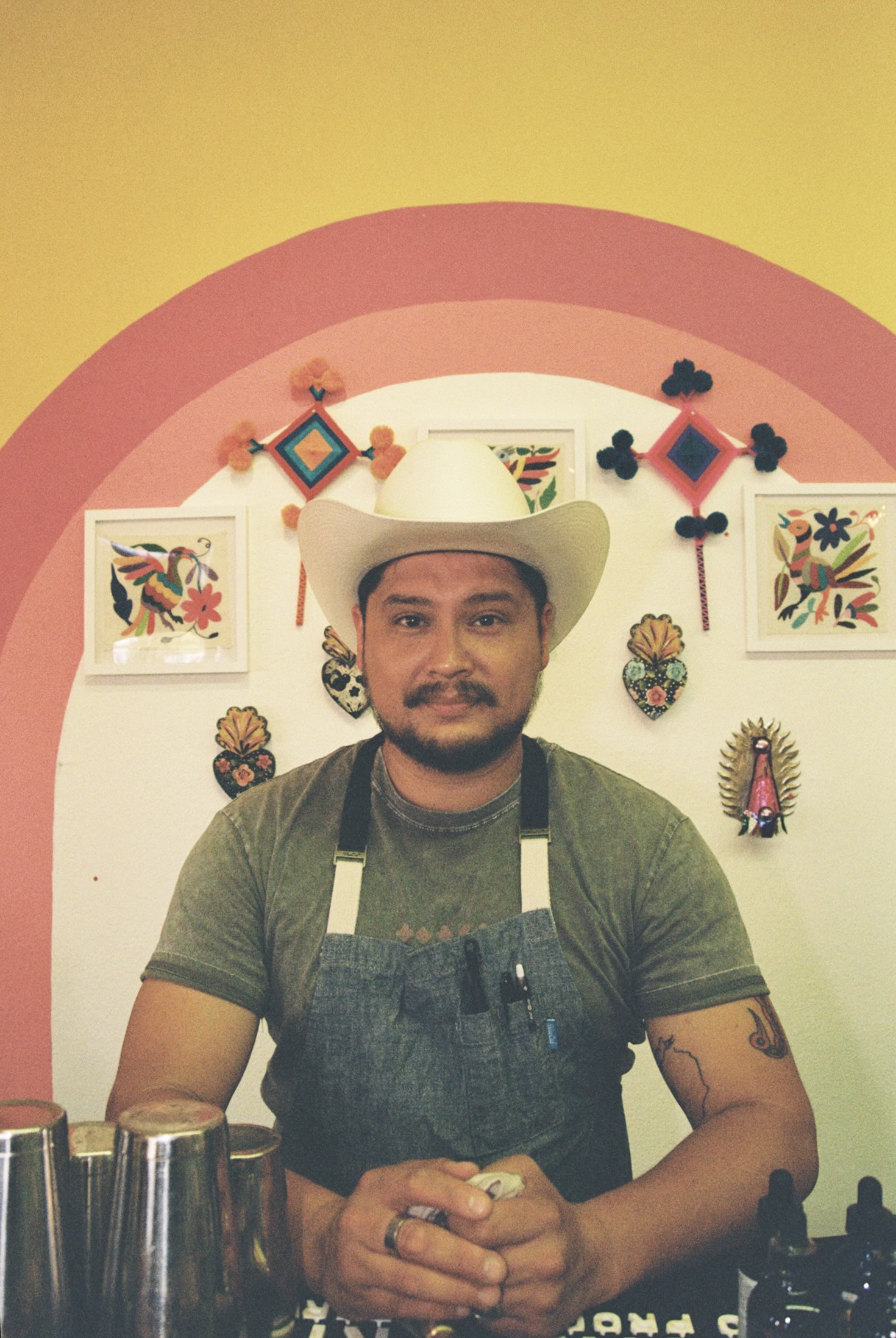
Owners Switenia and Angel are in front of their kitchen station at “Fritanga Mi Parrilla,” where the former takes your orders and explains the menu to people, like me, who are confused and ignorant about the non-taquería foods being served.
Angel is on fry and grill, but not alone. Someone else inside the truck helps with prep and the pouring of electric pink drinks and something that resembles horchata. Entranced by the smell of beef on the grill, I take a seat at one of two plastic tables, each one with a container full of what looks like some sort of dressing with diced onion.
Little do I know that I am sitting at Long Beach’s first Fritanga Nicaragüense, a traditional Nicaraguan-style street food characterized by its fried and grilled Nica dishes, which are accompanied by sides like tajada frita (fried green plantains) along with two other types of plantains, gallo pinto (rice and beans), fried yuca, cabbage salad, and a savory and chewy queso frito (fried cheese served in rectangular servings).
Switenia is patient with me in explaining the menu.
These tacos are what I’ve always known as “flautas,” though the comparison is unfair, being distinct dishes from two different cultures. These tacos come stuffed with “carne desmenuzada,” shredded beef that has a sweet, stewed flavor topped with ensalada (cabbage salad), and drizzled with sour cream and ketchup. And please don’t knock it until you’ve tried it.
She tells me to add some “Chilero” to the tacos, referencing the containers on the tables carrying a spicy, acidic condiment made from vinegar, diced onions, and chile to ladle on to dishes.
The asado de res is a monster of a serving made with a hulking cut of grilled beef prepared medium-well along with tajada, ensalada, gallo pinto, and as an extra, a just-fried queso frito, a meal that can definitely be shared between two people.
The beverages are just as unique and traditional as the food here. The Cacao, as its name suggests, is a cacao-based drink with hints of cinnamon. The hot pink drink served as a cebada Nicaraguense is a barley “fresco” (think agua fresca) made with baking spices and a strawberry flavoring, the source of its hot pink color. Both are made with dairy products but are rich, sweet, and refreshing.
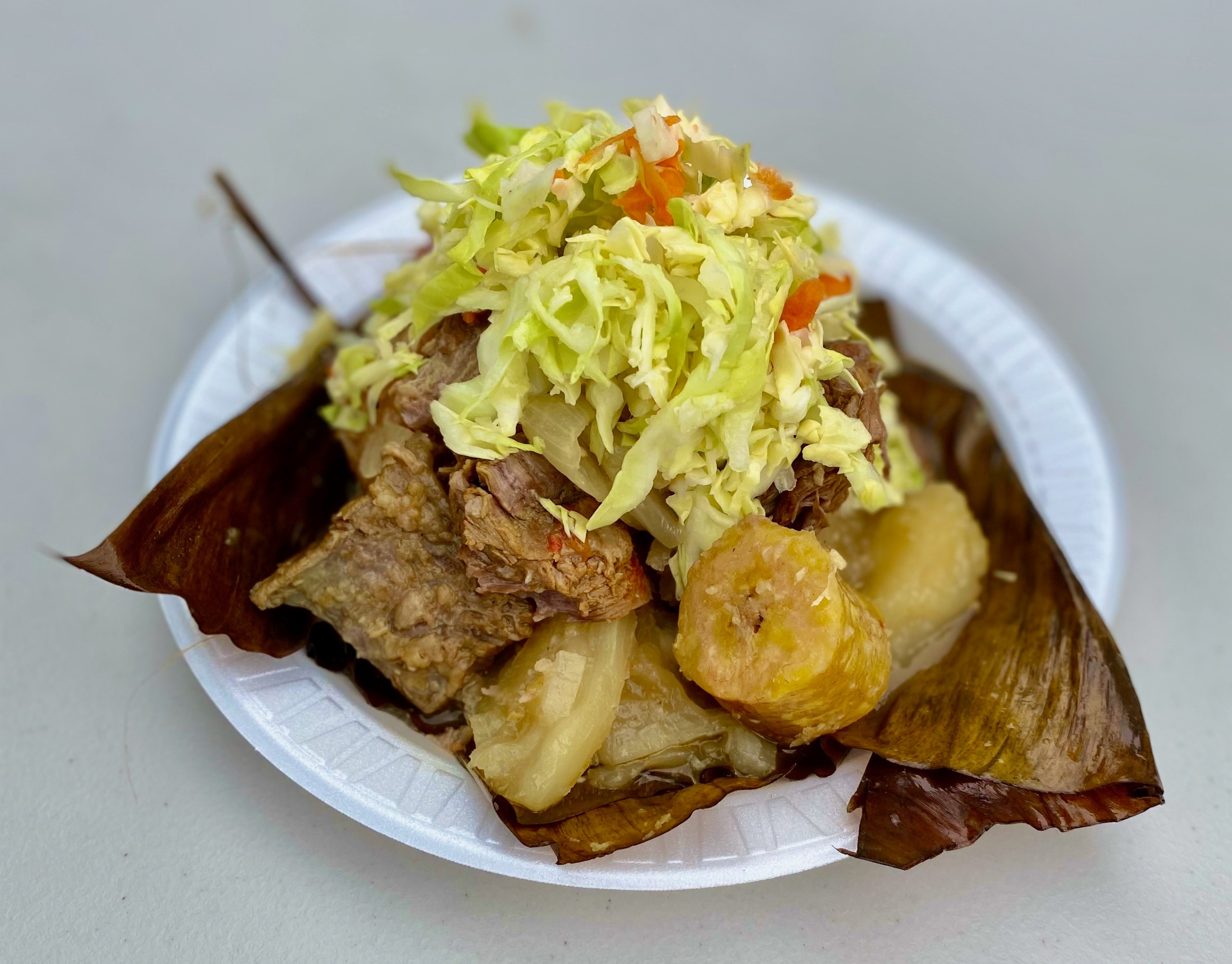
Chef Angel notes that he also makes baho, a specialty that is only available on weekends, must be ordered ahead of time, and tends to run out within a couple of hours. Baho is a dish made up of tender stewed beef, yuca, platano (plantain) verde, platanos maduros, and tomatoes, all which are wrapped in banana leaves and steamed in a pot, then served with ensalada.
It is heartwarming to see a place in Long Beach serve as a community space for the Nicaraguan diaspora. The guests speak among themselves and with the owners about their homeland and their ranchos, and most importantly the food they miss but are contentedly able to enjoy here.
No matter where you’re coming from, rest assured. You all are invited to The Fritanga.
Fritanga Mi Parrilla ~ Atlantic Ave. and 14th St., adjacent to the Smart & Final ~ Closed Tuesdays. Closest transit lines and stop: Long Beach Transit Lines 41, 45, 46, 61, and 71 - "Atlantic/Anaheim", Metro A Line and Metro Bus Line 232 - "Anaheim Street Station."