

Skip to Content
ICE

Ten Expert Tips For Talking To Kids About ICE Terrorizing Their Friends and Family

Here are 10 practical tips, based on Retana’s advice, for talking to kids about ICE raids and helping them cope with fear and uncertainty. Each point is presented in english y español.

Art by Karina Esparza (Instagram/@fink.fox.)

Art by Karina Esparza (Instagram/@finx.fox.)

I have this vivid memory of being around four years old, walking with my parents to buy a television in Huntington Park. It’s the middle of summer, and I'm wearing these tiny white jean shorts. My mom loved dressing me like an '80s music video vixen. She also loved a deal. And that’s why we were walking along H.P.’s Pacific Boulevard in 1987, where deals reigned supreme. 

Beginning that decade—after years of decline due to white flight—Pacific had become a thriving commercial hub for Latino families to eat good food, do a little shopping, and be in the community. But because of that, it was also a target for La Migra. So you can imagine my little four-year-old heart dropping when I saw the immigration agents pulling up and seeing people scatter. 

I was holding my mom’s hand tight as she sped up her stroll to a brisk walk, too much for me to keep up. I fell and scraped my knee. 

My parents played it calmly, mostly. They were both undocumented at the time but didn’t run. Walked too fast for a four-year-old to keep up, sure. But they didn’t want to panic. Instead, they picked me up off the floor and took me into a pharmacy to get a Band-Aid and some antibiotic spray. 

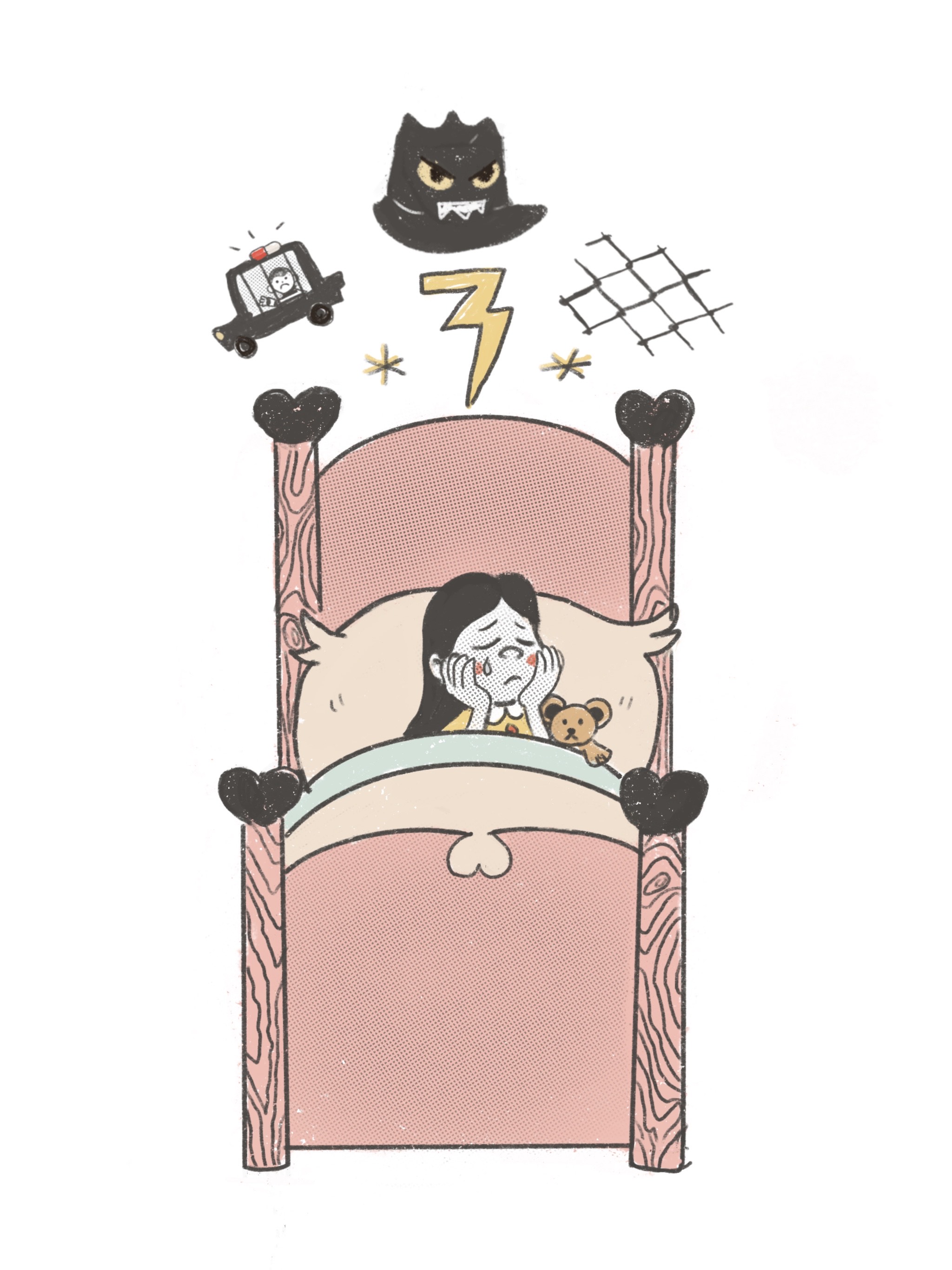
I think about that moment a lot these days. About the panic I felt and about the luck of the draw that my parents never got deported and were able to get green cards and eventually citizenship. I still have that scar on my knee, which is a reminder that when ICE raids sweep through Los Angeles neighborhoods, they don’t just target undocumented adults. They leave entire communities, especially children, grappling with fear and uncertainty.

To help families navigate this reality, I spoke with Paco Retana, chief program officer at Wellnest—a community-based mental health nonprofit that has served Angelenos for more than a century—to see if he could help me put together a guide for talking to kids about ICE. A licensed clinical social worker and psychotherapist with 36 years of experience, Retana oversees trauma-informed, culturally responsive care for children and families across Los Angeles. He seems like the perfect person to talk to about that. 

“These raids create an atmosphere of fear and uncertainty,” Retana said, noting how children absorb more than adults realize—whether it’s through TV reports, overheard conversations at home, or even witnessing arrests in their neighborhoods. “It just creates a sense of threat in our community.”

That exposure can lead to toxic stress. Some kids develop immediate anxiety, while others may not show symptoms until weeks later—nightmares, withdrawal, or depression. Above all, Retana said, the biggest fear children carry is separation: the possibility of never seeing a parent again.

But there are ways to help children navigate that fear. 

“Kids want to feel like nothing’s going to happen to them, and that you as an adult are going to do everything you can to keep them safe,” he said. That reassurance, paired with calm routines and honest communication, is key.

Here are 10 practical tips, based on Retana’s advice, for talking to kids about ICE raids and helping them cope with fear and uncertainty. Each point is presented in English and Spanish.

The Guide

Art by Karina Esparza (Instagram/@fink.fox.)
Art by Karina Esparza (Instagram/@finx.fox.)

1. Be Honest / Sea Honesto

English: Tell the truth in a way your child can understand. Speak differently to a five-year-old than to a 15-year-old, but honesty builds trust.

Español: Diga la verdad de una manera que su hijo pueda entender. Hable de forma distinta con un niño de 5 años que con un adolescente de 15, pero la honestidad crea confianza.

8. Watch for Warning Signs / Esté Atento a las Señales de Alerta
Art by Karina Esparza (Instagram/@finx.fox.)

2. Offer Constant Reassurance / Ofrezca Reaseguramiento Constante

“Kids want to feel like they are safe and that you, as an adul,t are going to do everything you can to keep them safe.” – Paco Retana

English: Remind kids: “You’re safe. We’re going to be okay. We’re together.”

Español: Recuérdeles a los niños: “Estás seguro. Vamos a estar bien. Estamos juntos.”

Art by Karina Esparza (Instagram/@finx.fox.)

3. Ask Open Questions / Haga Preguntas Abiertas

“It’s really critical for parents to always be asking: ‘How can I best support you?’” – Paco Retana

English: Use prompts like: “What do you need from me?” or “How can I support you?”

Español: Use preguntas como: “¿Qué necesitas de mí?” o “¿Cómo puedo apoyarte?”

Art by Karina Esparza (Instagram/@fink.fox.)
Art by Karina Esparza (Instagram/@finx.fox.)

4. Model Calmness / Modele la Calma

English: Practice deep breathing or counting together. Show calm body language so kids mirror your regulation.

Español: Practiquen juntos respiración profunda o ejercicios de contar. Muestre calma en su lenguaje corporal para que los niños copien su tranquilidad.

Art by Karina Esparza (Instagram/@fink.fox.)
Art by Karina Esparza (Instagram/@finx.fox.)

5. Create a Family Preparedness Plan / Cree un Plan Familiar de Preparación

English: Decide in advance what to do if ICE shows up. Establish a safe place children can go and rehearse it.

Sample plan here.

Español: Decidan con anticipación qué hacer si llega ICE. Establezcan un lugar seguro para los niños y ensáyenlo con ellos.

Ejemplo de plan aquí.

Art by Karina Esparza (Instagram/@finx.fox.)

6. Encourage Emotional Expression / Fomente la Expresión Emocional

“It’s okay to be tearful. It’s okay to be anxious. It’s okay to be upset.” – Paco Retana

English: Normalize feelings. Let kids know it’s okay to feel sad, anxious, or cry.

Español: Normalice los sentimientos. Dígales que está bien sentirse tristes, ansiosos o llorar.

Art by Karina Esparza (Instagram/@fink.fox.)
Art by Karina Esparza (Instagram/@finx.fox.)

7. Balance Media Exposure / Equilibre la Exposición a los Medios

English: Limit exposure to nonstop news and social media. Take breaks and reconnect when needed.

Español: Limite la exposición a noticias y redes sociales sobre redadas. Tomen descansos y vuelvan a conectarse cuando sea necesario.

Art by Karina Esparza (Instagram/@fink.fox.)
Art by Karina Esparza (Instagram/@finx.fox.)

8. Watch for Warning Signs / Esté Atento a las Señales de Alerta

English:

  • Emotional: nightmares, sadness, worry
  • Behavioral: avoiding school, changes in eating
  • Physical: headaches, stomachaches
  • Cognitive: trouble focusing, forgetfulness

If these signs are short-term, reassure your child with calmness, routines, and emotional support. If symptoms continue for more than a couple of weeks or get worse, reach out for help—talk to a teacher, pastor, trusted neighbor, or a mental health professional.

Español:

  • Emocionales: pesadillas, tristeza, preocupación
  • Conductuales: evitar la escuela, cambios en el apetito
  • Físicos: dolores de cabeza, dolor de estómago
  • Cognitivos: dificultad para concentrarse, olvidos

Si estas señales son temporales, tranquilice a su hijo con calma, rutinas y apoyo emocional. Si los síntomas continúan por más de unas semanas o empeoran, busque ayuda—hable con un maestro, pastor, vecino de confianza o un profesional de salud mental.

Art by Karina Esparza (Instagram/@fink.fox.)
Art by Karina Esparza (Instagram/@finx.fox.)

9. Create a Support System / Cree un Sistema de Apoyo

English: Reach out to neighbors, teachers, faith leaders, or therapists. If symptoms persist, connect with trauma-informed organizations like Wellnest.

Español: Acérquese a vecinos, maestros, líderes de fe o terapeutas. Si los síntomas continúan, busque apoyo en organizaciones especializadas en trauma como Wellnest.

Art by Karina Esparza (Instagram/@fink.fox.)
Art by Karina Esparza (Instagram/@finx.fox.)

10. Take Care of Yourself Too / Cuide de Usted Mismo También

“As adults, we have to check ourselves too, so our energy isn’t bleeding out in a way that causes more stress for our kids. It’s okay to be vulnerable and ask for help.” – Paco Retana

English: Parents and caregivers need to check their own mental health. Don’t burn out, and don’t let your anxiety spill onto your children.

Español: Los padres y cuidadores también deben cuidar su propia salud mental. No se queme, y evite proyectar su ansiedad en sus hijos.

Stay in touch

Sign up for our free newsletter

More from L.A. TACO

CBP Briefly Detains U.S. Citizen While at His Construction Job in Baldwin Park

"They told me that they dropped me back off, but no, they just dropped me off somewhere random,” the man explains, after being interrogated inside of a vehicle.

December 5, 2025

Weekend Eats: Free Bison Barbacoa ‘Tacos For Toys’ At Evil Cooks

Meanwhile, one of L.A.'s best Thai spot comes west, a Swahili food business arises in South L.A., and a chocolate vending machine graces West Hollywood.

December 5, 2025

Border Patrol Detains Three at La Puente Chilaquiles Stand Before Seizing Its Cash Box

A screaming woman in an apron was seen running from the stand into the safety of a nearby firetruck, while the stand's other employees weren't so lucky.

Daily Memo: Feds Detain U.S. Citizens and Take Street Vendor’s Cash Box

Federal immigration raids are escalating in intensity, with more people being profiled and taken without due process.

L.A. City Council Rejects Proposal To Limit LAPD’s Use of Tear Gas and ’40mm Foam Launchers’

Prior to June 8, the LAPD had not used tear gas in crowd-control settings in almost 50 years, an LAPD spokesperson told L.A. TACO.

December 3, 2025
See all posts