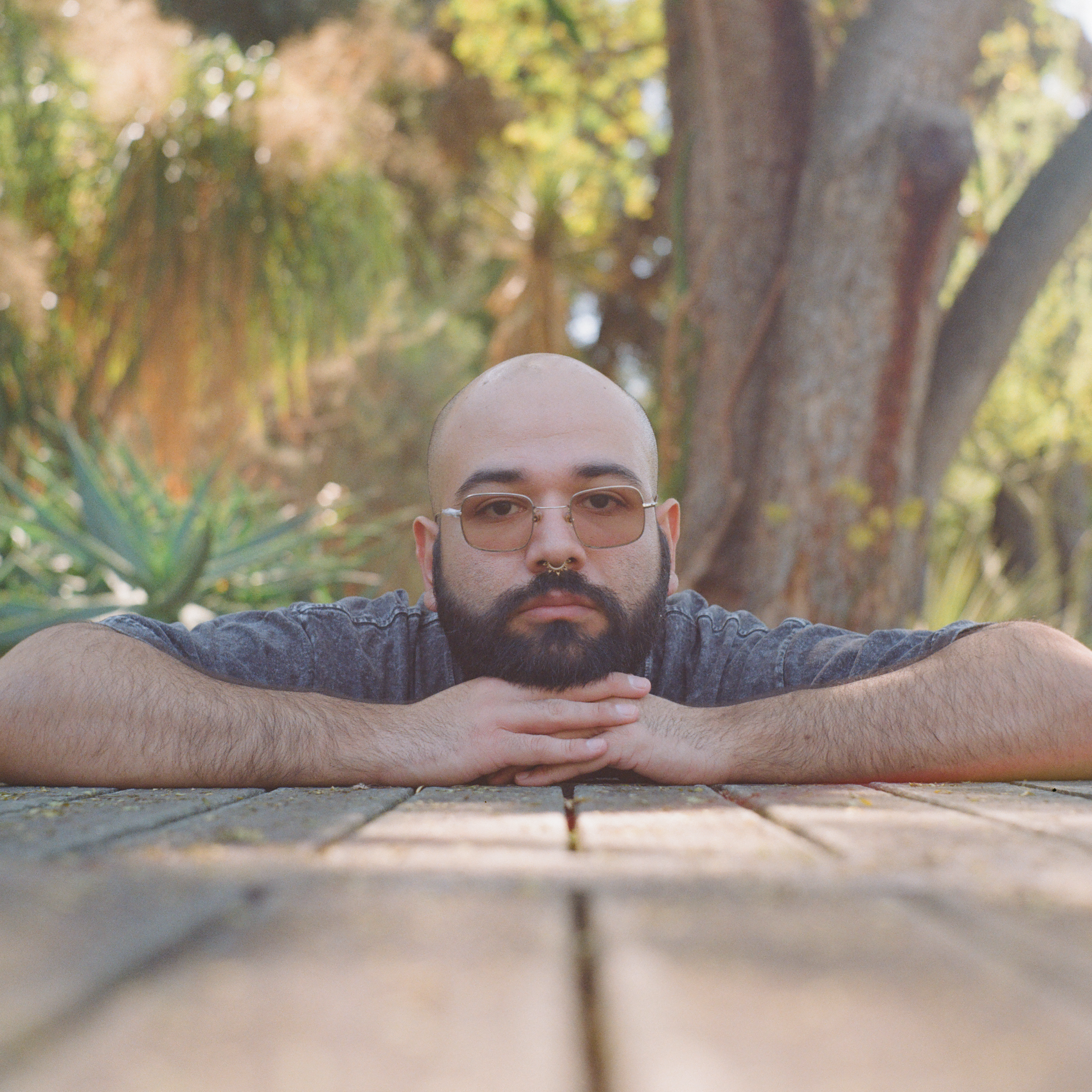
Dr. Jeffrey Pilcher, proud practitioner of the taco lifestyle, and one of the nation's top taco experts has spent a lifetime researching and sampling Mexican and other Latin American cuisines. All the while, he's been documenting taco innovations and compiling them in a forthcoming book that is sure to be a big hit in the taco community. Currently a professor at the University of Minnesota, Pilcher graciously agreed to an interview with TACO.
TACO: What are the earliest known origins of the taco?
Dr. Jeffrey Pilcher: Well, if you consider the taco as just a corn tortilla with something in it, then the origins surely go back fifteen hundred years, to the pyramids of Teotihuacan, where construction workers munched tortillas and beans. But if you're asking, what have people actually called tacos, the story becomes more interesting. Basically, there are various theories on the origins of the word taco. Some people think it comes from indigenous words, but if you want actually documentary evidence, the term dates back no further than 1891. That's right, 1891. Manuel Payno's novel, Bandidos de Rio Frio, is the first definitive use of the word taco. And an interesting use it is, if you want to check it out. Of course, he didn't invent the term. He just picked it up from street slang. So where did the term really come from? My research indicates that it was first used by miners in Real del Monte, a silver mine northeast of Mexico City, in the late 18th century. And what was this first taco? Appropriately, a stick of dynamite!
TACO: Have there been distinct phases in the development of the taco?
JP: Absolutely, after the tacos de minero of the miners, there were Mexico City tacos, mostly barbacoa, in the late nineteenth century. By this time there were also tacos dorados. These two versions of soft and hard tacos spread out all over the Mexican republic, adapting to fit the various regional cuisines of Mexico. But the real innovation came with the invention of the Mexican American taco. Glen Bell claims to have invented the taco shell in the early 1950s. Wrong! If you look in the records of the patent office, you will see that the first patent for taco shells was assigned to a man named Juvencio Maldonado. That's why I insist on calling the taco shell the Mexican American taco, not the fast food taco. The only thing Bell invented was the corporate commissary.
TACO: We know that there are many influences on the original Mexican taco including European, Middle Eastern, and local flavors. What do you think are the "building blocks" or most essential elements of today's popular tacos?
JP: Well, start with the indigenous tortilla. And salsa. Then add the Spanish pig. Next, the Lebanese tacos al pastor. Finally, the Mexican American taco shell. All are contributions, if they're made fresh with sazon.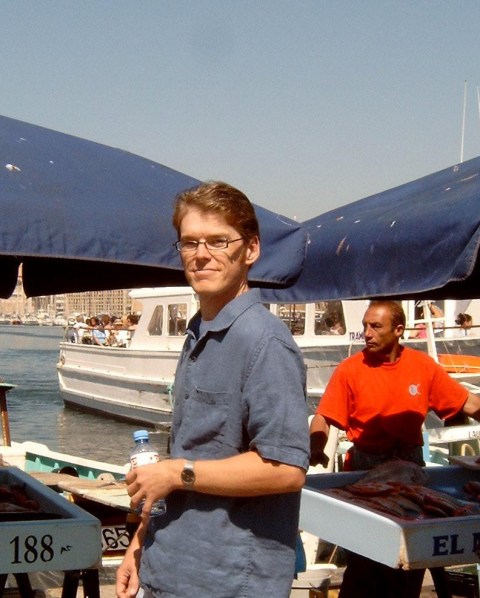
Dr. Pilcher in Mexico
TACO: What historical trends have propelled the taco from regional cuisine to global powerhouse?
JP: Well, I hate to say it, but gringos took a big role in carrying the taco around the world in the post-war era. Two groups in particular, appropriately, when you think about who was actually eating tacos back in the day: surfers and soldiers. The counterculture and the military are two groups of Norteamericanos who have a disproportionate love with Mexican food. I can't explain it, but there you have it.
TACO: What does the phrase "taco lifestyle" mean to you?
JP: When I go to Mexico City, or most anywhere else with a substantial Mexican population, I have to decide whether to check into a hotel immediately, or schlep my suitcase to a good taqueria and worry about lodging later.
TACO: Do you see "Tacology" becoming a discipline in American or Mexican Universities in the future?
JP: There are a number of promising young scholars working on tacos in Mexico, and I think the first chair in taco studies will likely be founded there. There is a taco bell distinguished professorship at Washington State University, but it is in business management and therefore doesn't count.
TACO: Look into your Crystal Salsa Bowl: what are the emerging trends in taco culture that will catch on?
JP: The salsa bar is spreading in Mexico, and while I am always happy with that creamy taqueria guacamole, I have friends who load up their tacos with all kinds of sauces and garnishes. I will probably lose all cred here, but I'm okay with fusion. If we can eat tacos al pastor, why not Korean tacos?