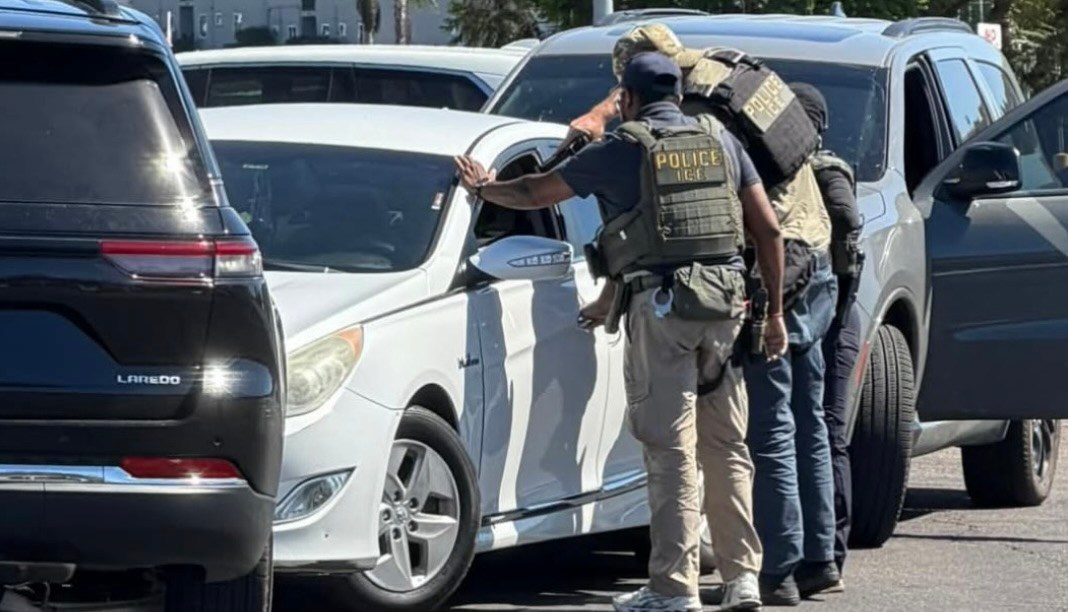

What is the law if ICE comes to a taco shop and asks to see employees' papers?
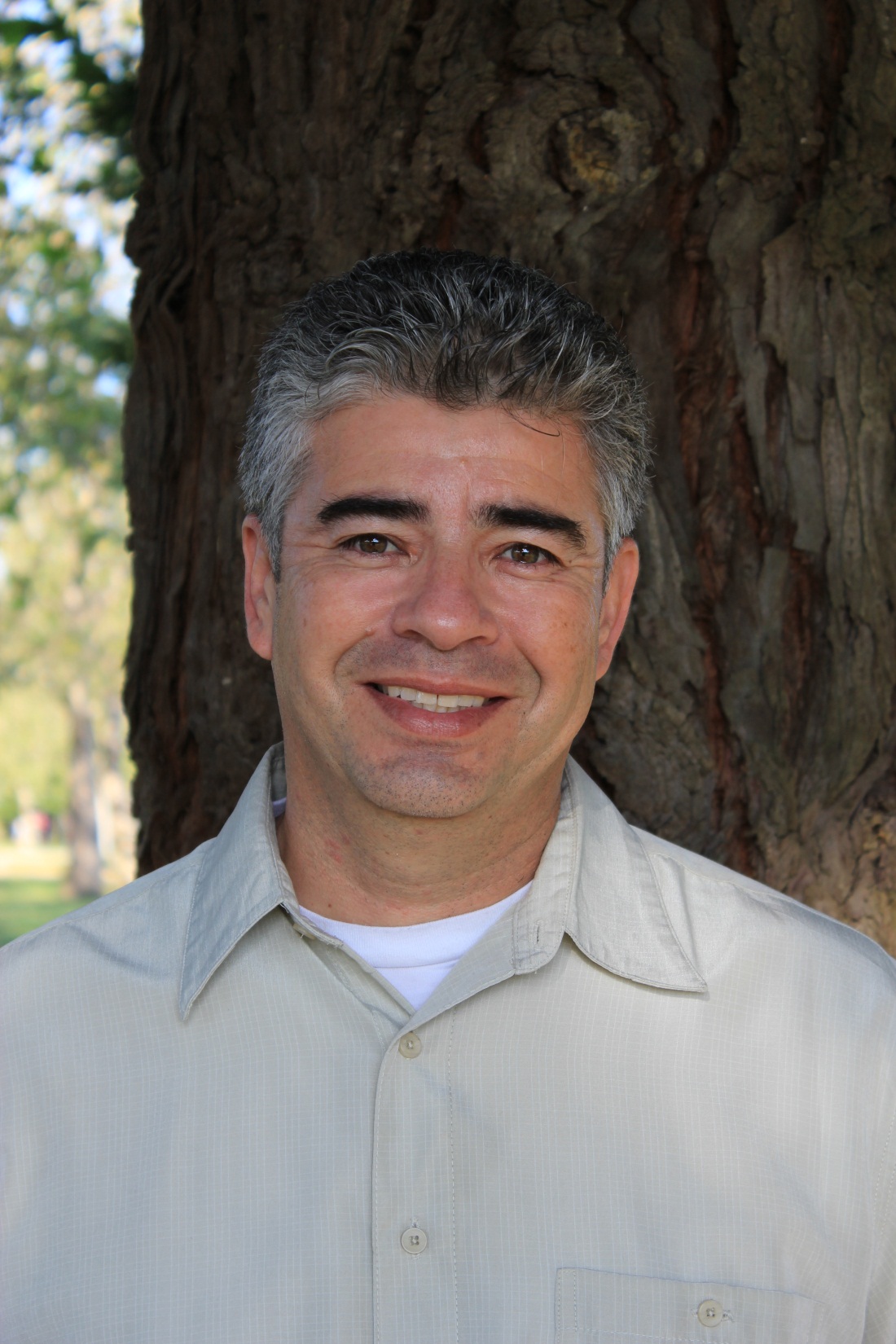
L.A. TACO takes our commitment to the taco lifestyle very seriously and sometimes our responsibility goes beyond telling you where to find the best tacos in the city. We have sought the legal help of KIWA (Korean Immigrants Workers Advocates) and their Senior Organizer, David Ricardo Abud.
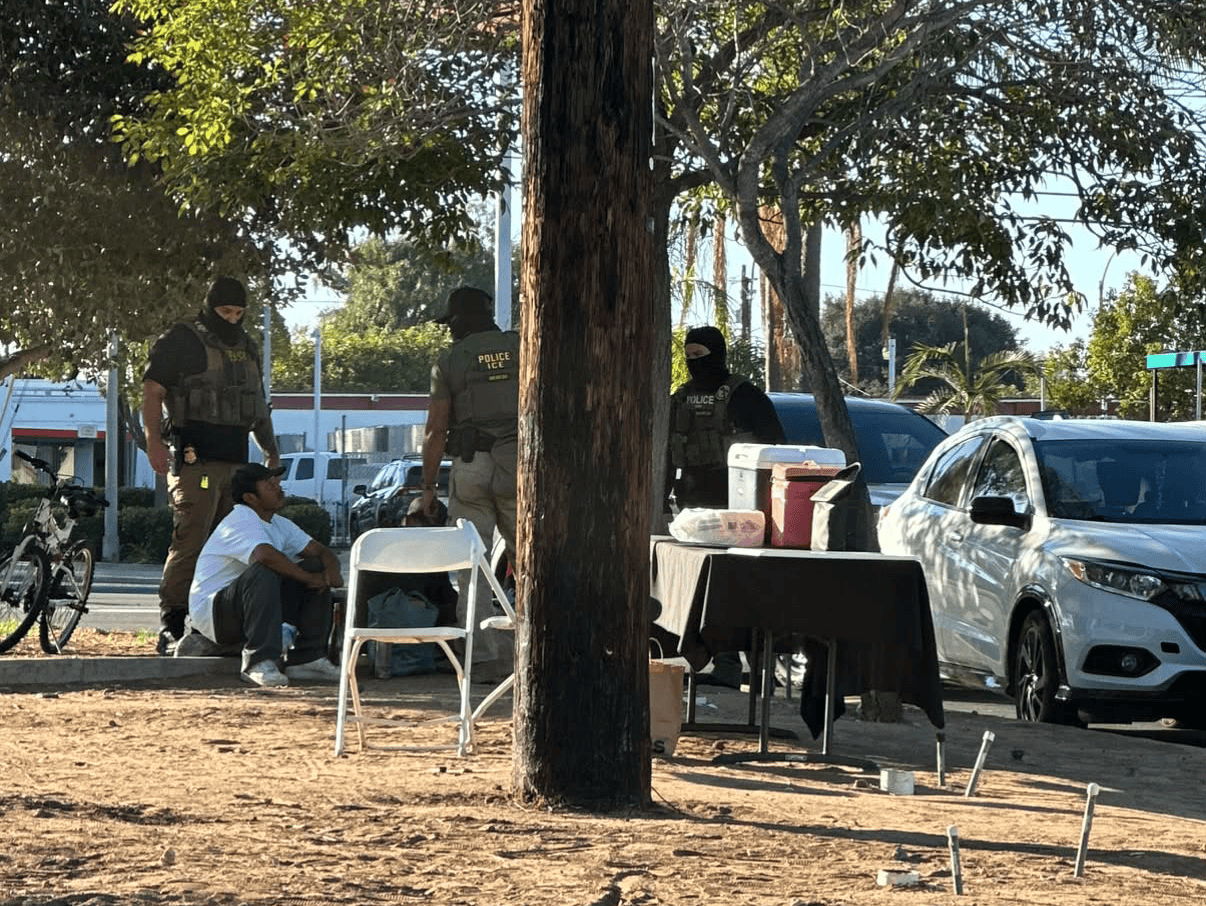
L.A. TACO has confirmed with KIWA that ICE stings in restaurants do happen in Los Angeles. Although they are not as dramatic as a scene in “Born in East L.A.” nor do they happen often.
“It’s complicated, we have massive raids like the one that happened in states like Mississippi where they swept over 670 immigrants, but this kind of I-9 Audit mainly occurs in southern states,” Abud tells L.A. TACO over the phone. While there have been I-9 raids in the past in California, they are rare. “The ICE raids that we have in Los Angeles are much smaller and focused on one individual, so if that individual is in a work environment, this can occur at a restaurant.” This kind smaller raids are called “Enforcement Actions.”
Abud would like to remind L.A. TACO and our readers that this person of interest isn’t always an undocumented immigrant since it has been shown that permanent residents and VISA-holders with a criminal record have also been susceptible to being detained by ICE. He goes on to say that it is possible that ICE will even detain other people without deportables offenses in the process of looking for their person of interest. “There are numerous instances where this has happened. Last year, a man who had no prior convictions was caught up in a raid.”
While either kind of raid is considered rare by KIWA, being trained in your rights if you do happen to be caught in the middle of one can be the difference between feeling helpless or successfully preventing ICE from making an arrest.
Here are five attorney-vetted ways you can protect yourself and the employees of a restaurant for both customers and restaurant owners.
Remain Quiet
The most effective tool to protect yourself and employees is to remain quiet, even though you are asked questions by ICE. “There is no reason for either a customer or restaurant owner to have to respond to questions asked by ICE.”
Record Everything with Your Phone
Especially if you are a customer while this is happening, the most important reflex is to take your phone and start recording everything. “We all have a right to document and we can not forget that.”
If You Are a Restaurant Owner, ICE is Not Allowed Inside “Private Areas”
According to Abud, a private area in a workplace means anywhere the public is not usually permitted to enter. In a restaurant, this includes areas like an office or the kitchen.
Don’t Sign Anything
This one is self-explanatory. You are not obligated to sign any documents that ICE may ask you to sign.
Warrant or No Warrant? Just Ask, or Look for the Cops.
Abud says that in about 99 percent of raids, the warrant in the form of a piece of paper that ICE presents to people is more like an “ICE-generated memo that legally has no power” than an actual judge-signed warrant for an arrest. He assures that you’ll most likely know when it is a real-deal warrant for an arrest because in those instances ICE is usually accompanied by the local police department. These are called Joint Task Force Investigations. “There may be instances where ICE does have a legitimate warrant, I just haven't heard of any that don't involve the police—but that doesn't mean that it cant happen.”
He would also like to dispel the belief that L.A.’s police forces do not work with ICE, because they do. “The ways in which the police have worked together with ICE has gone down, but they are still working together.” This is one of the demands that KIWA has made to City Council and city officials to stop since it is “relatively common for Sherriffs to transfer their detainees to ICE or sharing the date and time when they will be released from their custody with ICE.”
The interview with David Ricardo Abud was conducted in Spanish and translated into English by the Editor. For more information on your rights against ICE, visit KIWA's website. Writer Daniela Galarza also wrote a comprehensive list of rights for restaurant workers for Eater in 2017.
This article was originally published in 2019.