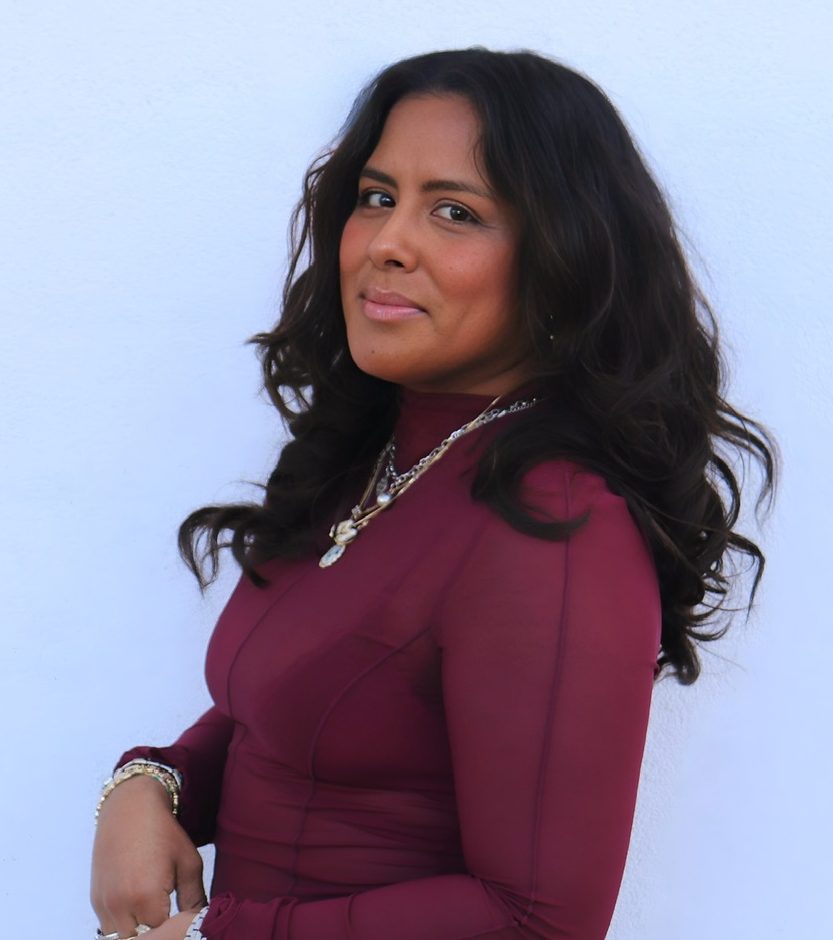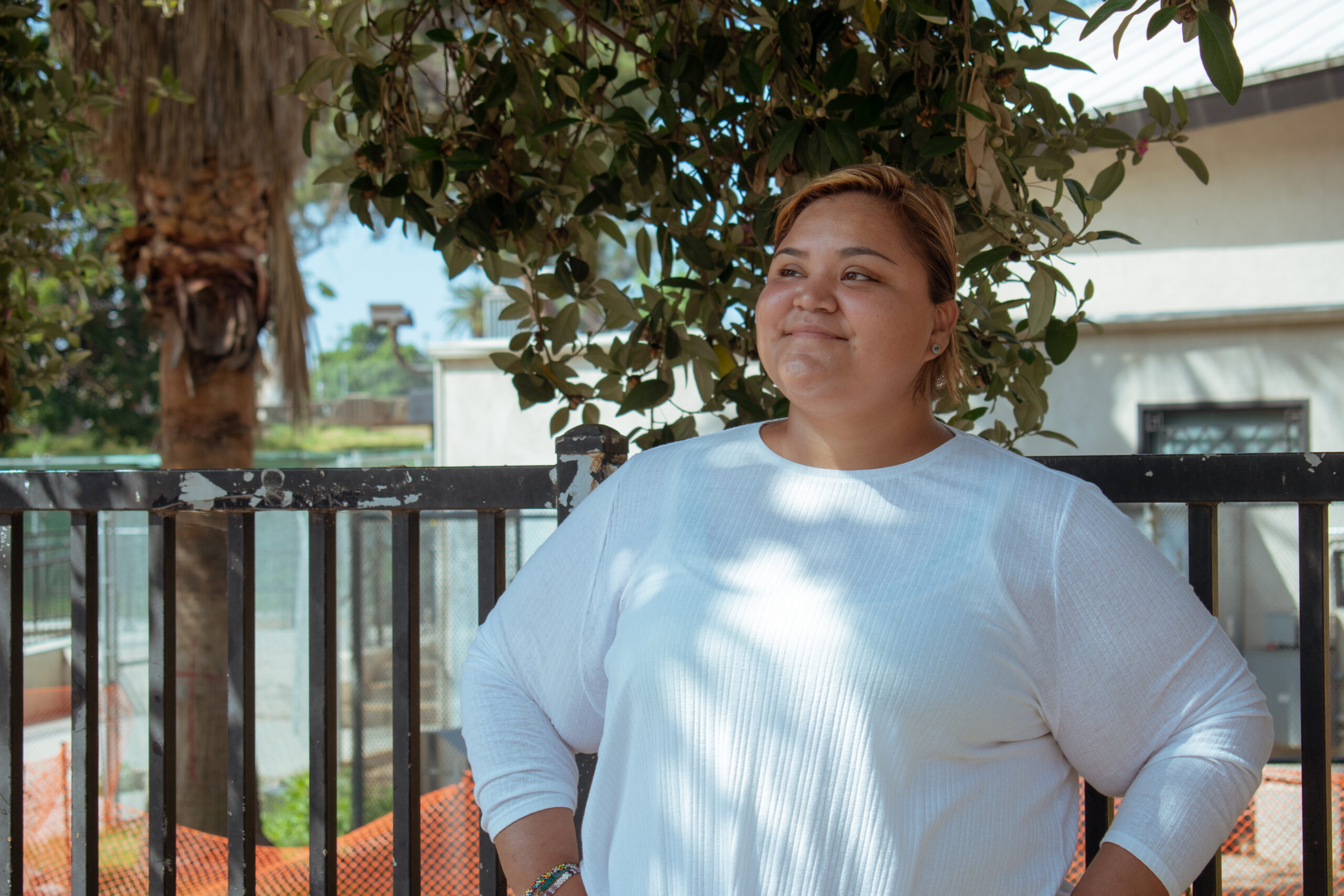
Eunisses Hernandez was born and raised in Highland Park and saw her neighborhood change and her neighbors displaced.
“When growing up here in Highland Park, I've seen gentrification take hold, and I've seen it impact my loved ones, neighbors, and small businesses. It happened really fast. The community tried to organize around it and against it, but we just saw whole apartments bought up, people displaced,” Hernandez tells L.A. TACO. Hernandez is running to represent City Council District one which encompasses 22 different Los Angeles neighborhoods, including MacArthur Park, Chinatown, Echo Park, Glassell Park, Pico-Union, and parts of Highland Park. District 1 also includes the famous Salvadoran Corridor, whose 50 vendors were recently removed by incumbent councilmember Gil Cedillo's office.
The district isn’t new to seeing the displacement of street vendors. The same office shut down the original Ave 26 Night Market in Lincoln Heights last August.
Street vendors and other long-time residents face the pressure of being pushed out and the sting of rising rents. A 2018 study labeled Highland Park home to early and advanced gentrification sites. The median price of a single-family home is $1.2 million, and in September 2019, the median was $819,000.
Hernandez’s campaign videos reflect this reality and stand out for various reasons. In an early one, she talks about gentrification and her watching her neighbors be displaced due to rising rents, mass incarceration (Highland Park was labeled as one of L.A.’s most dangerous neighborhoods 30 years ago), and a lack of supportive resources. The video is community-centered and features OG photos of Highland Park.
It’s a compelling story that hits at the heart of L.A.’s crises in skyrocketing rents and unaffordable housing issues. The campaign’s focus on longtime residents is somewhat reminiscent of Raquel Zamora’s 2020 bid for neighboring District 14. The video took a more uplifting turn when Hernandez talked about re-investing in the community and her previous successes in community investment, helping viewers envision a city council office that prioritizes alternatives to incarceration and punitive actions and instead, investment in supportive services. Hernandez discussed some of her plans in greater detail with L.A. TACO.
She says that she aims to address the crisis by building affordable housing and supportive services by moving funds from the County general fund and strategizing how to use the state surplus to benefit residents of District one. “And when we talk about building affordable housing, I look forward to figuring out how we move money from the state to Project Room key to own, possess, and hotels and motels,” said Hernandez. As for bringing in funds from more local resources, Eunisses eyes the Los Angeles county budget and spots an opportunity that could transform District 1. “The city of L.A. has a budget that's billions of dollars worth. We have billions of dollars in the general fund, and 45% of that General Fund goes to law enforcement. And so looking at the general fund seeing if we could have $100 million to build an affordable housing development,” says Hernandez. “…But deeply affordable housing that actually meets the income of those neighborhoods… The average median income in this district is $32,000 a year. We need to build so that the people who work here can live here,” the Council Member hopeful clarified.
“I went to school to become the law enforcement officer who would’ve helped me,” Hernandez says in a campaign video. She later realized that policing was not the way to address community needs.
The councilmember hopeful isn’t new to co-authoring legislation. She also isn’t new to diverting funds from law enforcement and incarceration to support community well-being and alternatives to incarceration. Hernandez co-chaired Measure J, which aimed to re-allocate no less than 10% of L.A. County’s General Fund to other options for incarceration, such as health services and pre-trial, non-custody services. Measure J was successful and was passed by voters across the county.
She also worked with The Justice-LA Coalition to successfully stop a new mental health jail from being built downtown and stopped a new women’s jail from being built. Instead, she pushed to divert the funds to alternatives to incarceration. Hernandez says the opposition has been rife with accusations of her being “too radical.” For example, one attack ad claimed that Hernandez has “bizarre and dangerous positions” and wanted “to legalize all drugs.” It also claimed that she “would make the homelessness crisis worse for everyone in L.A.” Hernandez also said that a Tiktok account from a Cedillo supporter made her feel like they were trying to portray her as an incompetent woman, and it felt like gendered attacks. L.A. TACO reviewed the account and noted that the account also criticized her appearance, making jabs about her “fake blonde hair.”
Hernandez’s campaign is progressive and asks voters to reimagine how and which services receive funding and who is prioritized versus those who find themselves regularly catered to during election cycles. The visionary aspects of the campaign make sense. Hernandez herself faced her own transformation.
“I went to school to become the law enforcement officer who would’ve helped me,” Hernandez says in a campaign video. She later realized that policing was not the way to address community needs. Her campaign feels like an antidote to California’s tough-on-crime era, which led to mass incarceration in its aim to prioritize communities impacted by such draconian policies by reshuffling some L.A. County funds away from punitive actions.
“As a council member, you have a lot of discretion on the projects that get built in your district, how much affordable housing, what affordable housing means in those buildings. And you have to sometimes also do the legwork of trying to find the resources for the building of these things.”