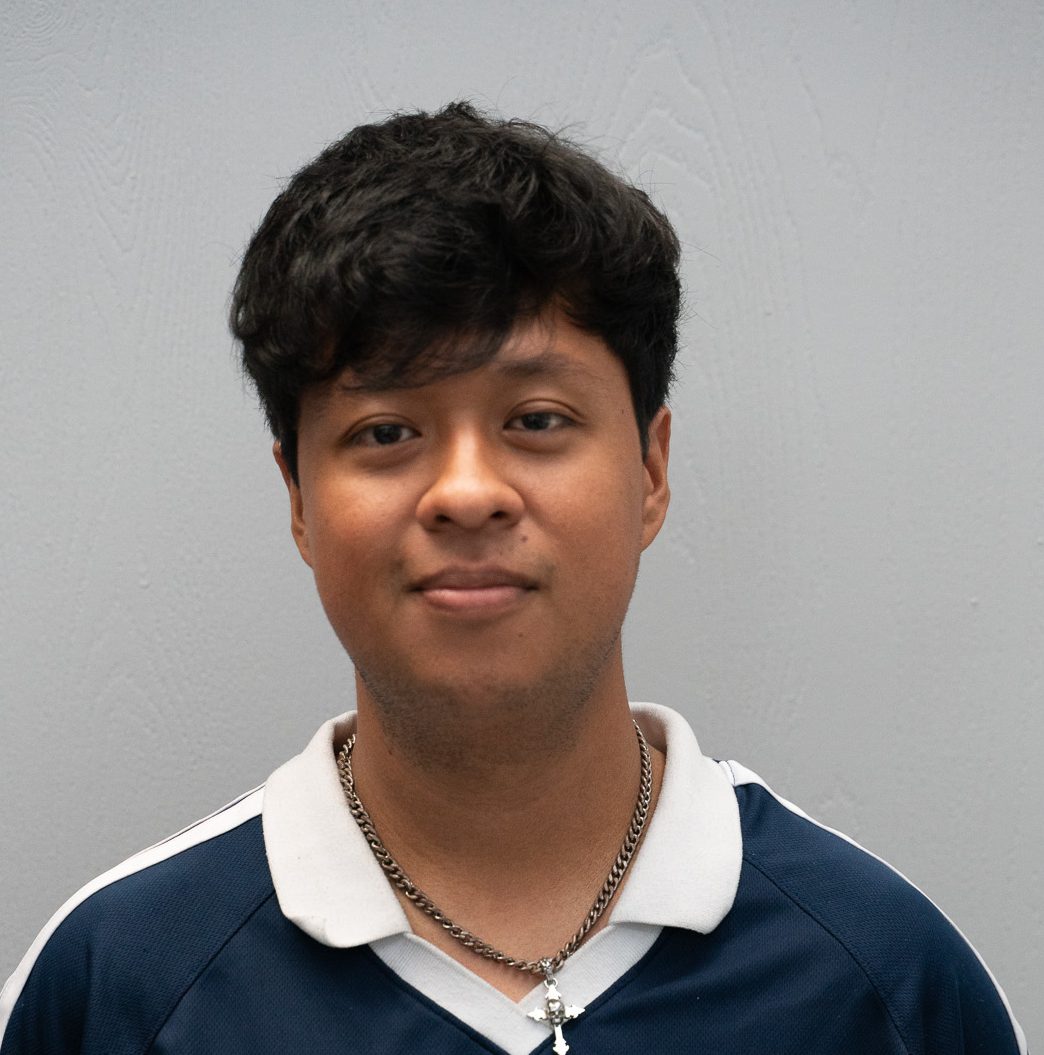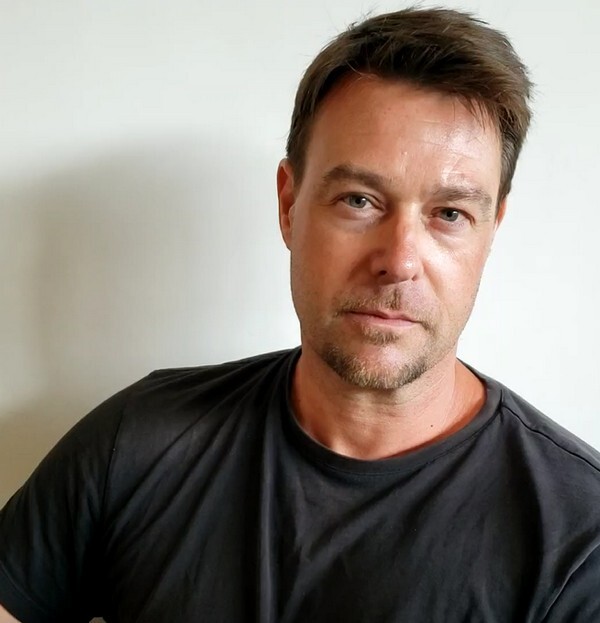
Tuscan-based artist Wayne Martin Belger has photographed communities in Palestine, a refugee camp in Greece, activists at Standing Rock, and Zapatistas in Mexico, making powerful portraits and oftentimes, his own cameras using materials that relate to the subject. These include HIV-positive blood in his camera's filter for a series on HIV-positive people and Arizona box elder, mesquite, and juniper for the Navajo Nation shoot, which followed intense months of recovery after a driver drove over him and his Harley in 2022.
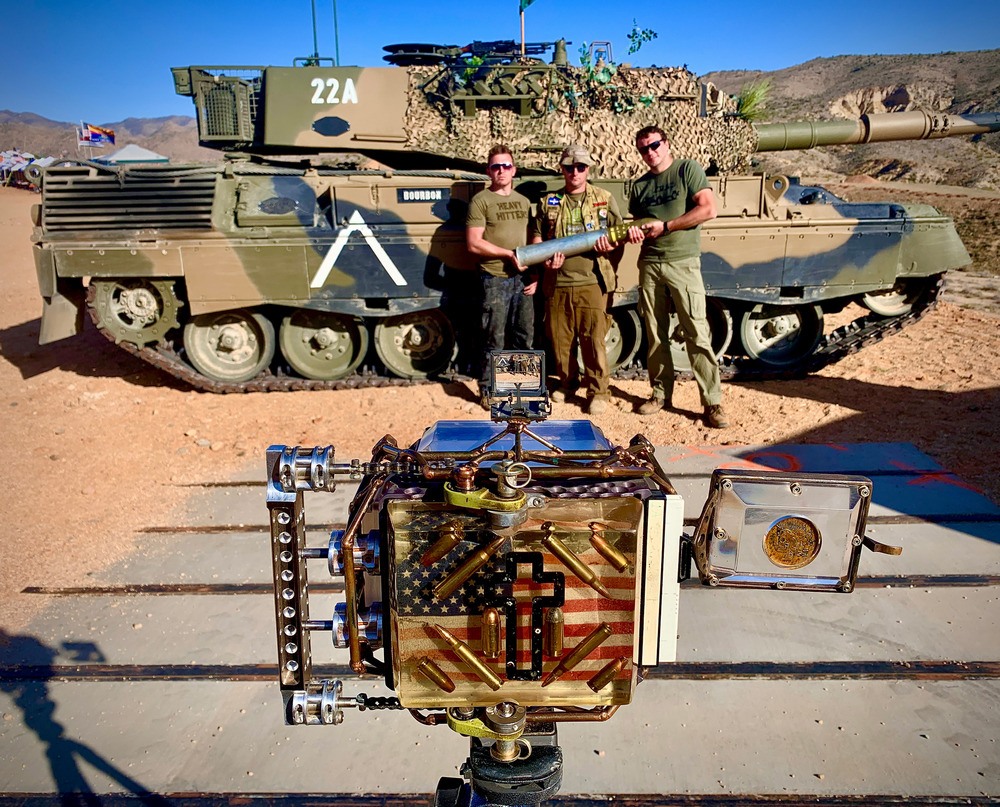
For his current exhibit, Thoughts & Prayers, showing at La Luz de Jesus Gallery in Los Feliz through this month, Belger explored gun culture in the U.S. using a unique camera he built using a camera he made by hand with metal from bullet casings, F-16 airplane parts, machine gun sites, U.S. flags and buckles from white supremacist groups, and dirt from mass shootings in Columbine and Charleston's Emanuel African Methodist Episcopal Church.
Here, Belger tells L.A. TACO in his own words about the show and what inspired it.
Hi Wayne. By way of introduction, what is your history as an artist and what medium do you work in?
The longest I’ve ever held a traditional job was five years. I’ve worked as a rock climbing instructor, SCUBA instructor, on-ice mascot, Kingston, for the Los Angeles Kings Pro Hockey Team, on-ice mascot, WildWing, for the Anaheim Ducks Pro Hockey Team, a child recovery specialist for missing and kidnapped children, a machinist, professional treasure hunter, installation artist, licensed manicurist, and a range of other jobs that never quite fit into a clean narrative.
I’ve always trusted tools and lived experience more than titles.
In the late 1990s, a photographer friend was shooting with a pinhole camera he had built out of foam core. It leaked light. It flexed. Loading film felt like surgery with oven mitts. I had trained as a machinist, so I told him I’d build something that wouldn’t fail him.
During my apprenticeship, I was taught that a tool should become an extension of the maker. It must perform flawlessly, but it should also carry the imprint of the person who built it. The tool is half function, half soul.
So I machined the camera from aircraft aluminum, titanium, and stainless steel. At the time, I was keeping bees, so I mounted real bees crawling through keyholes into the body of the camera. I etched a poem by Pablo Neruda into the top plate because his writing was living in me then.
My friend expected precision. He didn’t expect poetry and bees welded into the frame.
That moment shifted everything. I realized the camera didn’t have to disappear behind the image. It could carry weight. It could carry story. It could physically embody the subject before a single frame was exposed. And most importantly, the camera could be a bridge to the subject I wish to learn about.
I’m often described as a photography-based installation artist or fine art photojournalist, but for me the medium is inseparable from the message. Materials are never neutral.
At the foundation, I work with metals, titanium, forged aluminum, steel, brass, copper, gold, silver, platinum, palladium. Materials that endure.
But depending on the subject, the materials expand: human hearts and teeth, skulls, HIV-positive blood, AR-15s and AK-47s, a sawed-off KKK shotgun, trinitite, engine parts from a Nazi V-2 rockets, 1930s American Nazi Party lapel pins, Syrian refugee life vests from Lesbos, broken glass I found on rooftops in the Palestinian territories, and gifts entrusted to me by the Standing Rock Sioux, the Navajo, Syrian refugees, Zapatista rebels, and members of the migrant caravan.
None of it is decorative. Every object has lived a life before it reaches me.
The camera isn’t just a device to capture an image. It becomes a physical embodiment of the subject, a bridge between me and the person standing in front of it. When someone steps into that space, they’re not just being photographed. They’re confronting something that already carries the weight of their world.
What sparked your interest in covering U.S. gun culture as an artist?
I’ve been a gun owner since I was 19. I enjoyed distance shooting, it felt like a loud, long-range game of darts.
When I lived in Los Angeles, buying a firearm meant background checks, waiting periods, paperwork. There was qualification. After moving to Arizona in 2000, I went to a gun show and saw how different the landscape was. Private sellers could legally sell a wide range of military grade firearms with minimal oversight. AR-15s and AK-47s were essentially cash and carry.
I heard vendors refer to Sundays as “Cartel Day,” because buyers would come in to purchase what was left, often in bulk, without showing identification.
There are 13 real firearms in the "Thoughts & Prayers" installation. I legally own them. None are registered, and in some cases I wasn’t required to show ID.
That contrast stayed with me. The mythology of the Wild West wasn’t history, it was present tense.
So I built a camera out of gun parts, F-16 components, bullets, and American flags, and stepped directly into the culture and set up a "2nd Amendment Photo Booth" at gun shows, militia gatherings, white nationalist events, pro-gun churches. I asked people to stand in front of a flag of their choosing and tell me why they believe what they believe.
Side note. When I was around 6 or 7 I watched the news with my parents one evening. There was a story about a woman that was kidnapped and brainwashed by an organization called The Symbionese Liberation Army. I remember seeing a young woman named Patty Hearst standing in front of a flag holding a machine gun. That haunting image burned into my memory, and today I use the same composition to photograph people for the "Thoughts & Prayers Project."
The camera became an entry point. It gathered like-minded people like a shiny lure to a trout. And wearing the right uniform, that of an old white guy who can talk about guns, no one has ever asked me what my views on guns in America are. To date, I’ve photographed hundreds of Americans across the country, armed, certain, convinced they’re protecting something essential.
How did that interest or discovery lead to you organizing the Thoughts & Prayers show?
Like all my projects, this began with curiosity, not judgment.
I research. I travel to where the subject is alive. I gather artifacts and stories. I build a camera from those materials, and then I return to the world of the subject and listen.
Over time, eight years in this case, the work accumulates. The camera. The portraits. The objects people hand me. The conversations that linger long after the shutter closes.
Eventually, it becomes an environment rather than a photo series.
The collection becomes a museum-scale installation that includes the camera, the images it produced, and objects gathered during the journey.
"Thoughts & Prayers" is the result of eight years embedded inside America’s gun culture. It’s not commentary from the outside. It’s evidence.
After working on and learning from the "Thoughts & Prayers" project, it felt time to share it.
You use a unique camera and I see you’ve built unique cameras for other shows. Please tell us about that.
Each camera is built for, and from, a single subject.
Over 28 years, I’ve made 18 cameras to investigate 18 different themes.
One project used a 150-year-old human skull as the body of a 4x5 film camera to explore decay and the beauty of its process. Another, the Yama Project, is a pneumatic 3D stereo camera that was built from a 500-year-old Tibetan monk’s skull, photographing through the monk’s eye sockets to reimagine gods and religious icons in contemporary form.
The Untouchable Project grew out of conversations with a close friend diagnosed with HIV in the 1990s. I built a camera from aluminum, titanium, copper, stainless steel, and glass, mounting two sealed cylinders of my friend's HIV-positive blood to its sides. A manual pump circulates the blood in front of the lens board, so every portrait is made through it.
I’ve photographed people living with HIV all over the world, men, women, children, grandparents. The blood, once treated as something to fear, becomes a symbol of endurance, power, and life.
The camera is never ornamental. It carries the argument and history of the subject in its body.
What do you hope L.A. audiences take away from the show?
I hope the exhibit leaves people unsettled in a productive way.
I don’t tell viewers what side to stand on. I create a space where they have to sit with what they’re seeing.
The installation functions like an American travelogue through gun culture. Some chapters are patriotic. Some are uncomfortable. All of it is real, a boots-on-the-ground portrait of a uniquely American tension told by hundreds of Americans, face-to-face, armed, speaking for themselves.
If the show does its job, “thoughts and prayers” won’t feel like enough anymore.
When taking the images, did you get any strange or hostile reactions from the people around you?
Most interactions were respectful. A few reminded me how volatile the space can be.
Last year, a man approached me at a gun show wanting a portrait. He had just bought an AK-47 pistol from a private seller, no background check required. His energy was off.
While I was loading film, he opened his jacket and said, “Look, I’m ready to go!” He was wearing a bulletproof vest with four loaded 30-round magazines. Then he snapped the gun show security zip tie off the firearm freeing up the receiver to accept a loaded magazine.
I told him to wait at my booth because I ran out of film and needed to go to my truck for more. I found security, they took the loaded magazines and escorted him out.
Moments like that underline how thin the line can be between spectacle and something irreversible.
What have you learned about U.S. gun culture during the time you’ve worked on the project?
The project began as an exploration of Arizona’s gun laws, or lack thereof. Over time, it evolved into a broader examination of fear, identity, power, and profit.
In 2020, gun sales reached record highs, with 22.7 million firearms sold. Between 2020 and 2023, 21 million Americans purchased their first firearm. Those figures reflect only documented sales; in many states, firearms do not require registration.
Through firsthand research across the country, I’ve observed two broad American gun culture dynamics, which I think of as offense and defense.
The offense dynamic is fueled by fear of cultural change, distorted religious narratives, White Christian Nationalism, and profitable performative patriotism. It overlaps with movements such as the Ku Klux Klan, the Proud Boys, Neo-Nazi groups, MAGA and the Oath Keepers, among others within the alt-right movement.
Lately, the defense dynamic has also driven gun sales. Groups motivated by community organization, community protection, distrust of police ,and other government institutions, have given rise to historic action groups like the Black Panther Party, the Brown Berets, and newer organizations like the Fred Hampton Gun Club, and LGBTQ gun organizations that have embraced armed self-defense in response.
At the core of it all is money. When foreign enemies fade from public focus, new threats often take their place in political rhetoric. Drones and autonomous weapons being "the new black" for the industrial military complex, gun manufacturers were feeling a little left behind. The gun industry needed to keep its shareholders happy and pumped up the mythology of the “Real American Patriot” defending against internal enemies, aka other Americans. [It] has proven highly profitable.
Gun sales reflect that cycle.
Which image do you think is the most powerful or hard to believe?
Two images stand out.
One is a 48”x60” silver gelatin print of a fully functional Russian tank owned by a civilian. In the United States, with the proper $200.00 tax stamp, military tanks and other military weapons can be privately owned. I got to ride in the tank. We fired the main cannon and demolished a car 300 yards away.
It’s not fantasy. It’s just paperwork to legal lethal LARPing.
Another is a portrait titled “Ida B. Wells,” referencing Ida B. Wells, civil rights leader, sociologist, educator, and co-founder of the NAACP. The image shows a Black woman surrounded by firearms she owns, standing before an upside-down American flag.
Wells once wrote, “A Winchester rifle should have a place of honor in every Black home, and should be used for that protection which the law refuses to give.”
The portrait holds history and the present in the same frame.
Why did you name the show "Thoughts & Prayers?"
Because that’s the script.
“Thoughts & Prayers” has become ritual language, something offered quickly, publicly, a self-righteous pressure valve to pacify without action, absorbs shock without blame, words that hide positive structural changes that might affect profit margins, and a way to acknowledge tragedy without altering the machinery that produced it.
The title isn’t sarcasm. It's an indictment.