

What began as a fatal carjacking on January 3, 1992, at 10:30 a.m., in Central California became the catalyst for change in local television that redefined live coverage of breaking news.
Although newsrooms have had access to helicopters for years, it wasn’t until Darren Michael Stroh led police on a 300-mile pursuit that the public developed a hunger for live pictures of a dramatic, high-speed chase.
Stroh, an unemployed electrician’s assistant, carjacked two vehicles, killing a motorist with a 12-gauge shotgun before heading south to Los Angeles on Interstate 5. Highway Patrol officers tailed the Volkswagen sedan through five counties as Stroh took potshots at officers through the back window.
When they crossed the L.A. County line, local news helicopters picked up the chase, broadcasting pictures live. Stroh eventually slowed to a crawl as he ran out of gas on a Westminster freeway offramp.
When officers approached the car, guns drawn, Stroh pointed his shotgun in their direction, and police opened fire. The TV choppers captured it, and for the first time, viewers got a front-row seat to the live killing of a suspect; his brains were blown out of the driver’s side window.
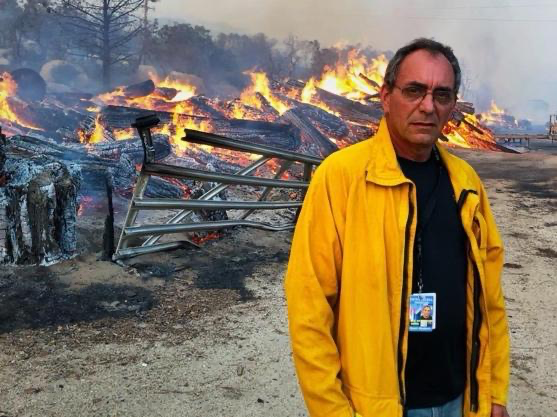
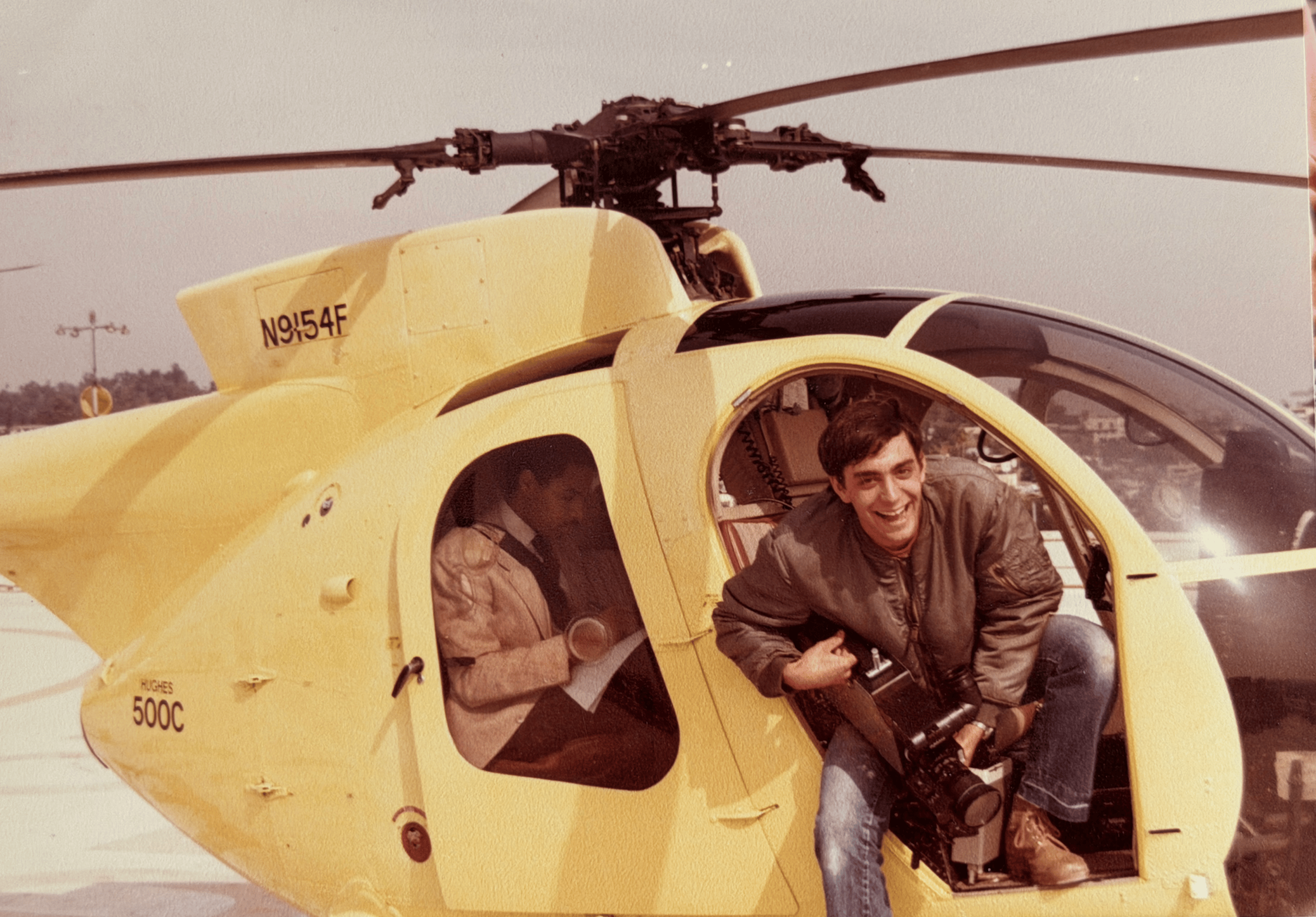
I remember it as though it was yesterday, because I was the cameraman who shot it from the KABC helicopter. What I saw through my viewfinder was witnessed by tens of thousands of viewers, a violent death broadcast in real time.